
Exploring the Versatility and Benefits of Printed Cloth Fabric in the Textile Industry
Jun 02,2025
One of the primary methods of producing printed cloth fabric is digital printing. This technique involves using digital files to directly print designs onto fabric, which enables intricate patterns and a wide color gamut to be realized. Digital printing is particularly advantageous for small runs or customized orders, as it requires less setup time and fewer materials compared to traditional screen printing. Additionally, advancements in digital printing technology have greatly improved the quality and durability of the prints, making them suitable for a variety of applications.
Another prevalent method is rotary screen printing, a process that utilizes screens to apply designs in continuous rolls. This technique is well-suited for large production volumes, as it allows for consistent color application and high-speed output. Rotary screen printing is often considered for more extensive collections due to its efficiency and ability to produce intricate repeating patterns.
Sublimation printing is also notable in the production of printed cloth fabric, especially for polyester and polymer-coated materials. This method involves the use of heat to transfer dye onto fabric, which results in a long-lasting, vibrant print that is embedded into the material itself. Sublimation printing is particularly popular in sportswear and promotional textiles due to its durability and resistance to fading.
The applications of printed cloth fabric are remarkably diverse, ranging from fashion and home decor to industrial uses. In fashion, printed fabrics can be utilized for clothing, accessories, and even footwear, offering designers endless opportunities for creativity. In home decor, printed fabrics are often used for upholstery, curtains, and cushions, allowing consumers to enhance their living spaces with personalized designs.
Moreover, the environmental impact of printed cloth fabric production is an increasingly important consideration. Many manufacturers are adopting eco-friendly inks and sustainable practices to minimize waste and reduce the carbon footprint associated with textile production. This shift towards sustainability not only addresses consumer demand for environmentally responsible products but also positions businesses favorably in a competitive market.
In conclusion, the versatility of printed cloth fabric makes it an invaluable asset in the textile industry. From innovative printing techniques to diverse applications, professionals in the dyeing and printing sector can leverage these insights to enhance their offerings and meet the evolving needs of their clients. Understanding the nuances of printed fabric production will empower businesses to stay ahead in a dynamic marketplace.
More Events
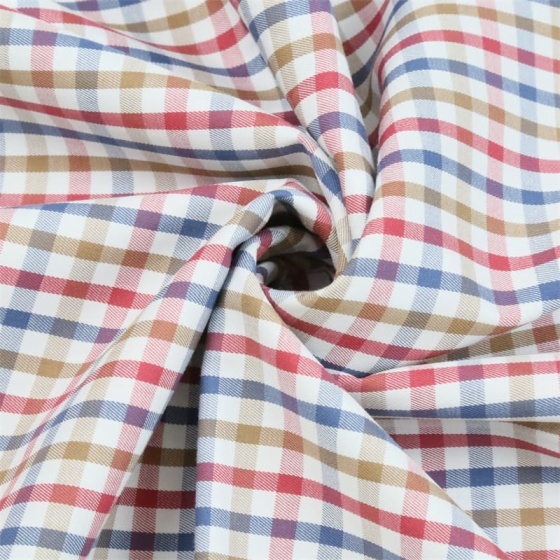
Understanding Cotton Dyed Fabric: A Comprehensive Guide to Textile Dyeing
Cotton dyed fabric is a cornerstone in the textile industry, especially within the realm of dyeing and weaving. The process of dyeing cotton fabric involves applying colorants to cotton fibers, resulting in a wide variety of hues and patterns that enhance the fabric's aesthetic appeal. This technique not only elevates the visual qualities of the fabric but also plays a crucial role in the overall
Dec 05,2025
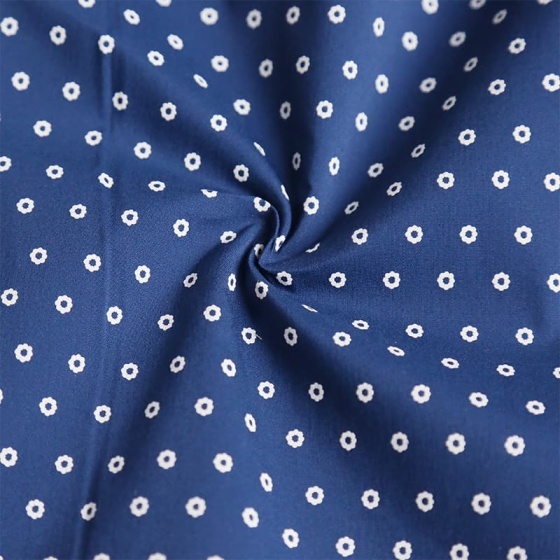
How to Effectively Market Products Made from Printed Cloth Fabric: A Comprehensive Guide
How to Effectively Market Products Made from Printed Cloth Fabric Table of Contents 1. Introduction to Printed Cloth Fabric Marketing 2. Understanding Your Target Audience 3. Crafting a Unique Selling Proposition (USP) 4. Utilizing Social Media Platforms for Promotion 4.1 Building a Strong Brand Presence 4.2 Engaging Content Creation 5. Leveraging Influencer Collaborations 6. Implementing SEO Stra
Dec 04,2025

Quality Linen Denim Fabric Supplier Supports Modern Apparel
In the fashion industry, the search for materials that offer both aesthetic appeal and practical comfort is ongoing. A blend like linen denim addresses this demand by combining the classic, durable look of denim with the natural, breathable properties of linen. For designers and clothing brands, working with a reliable quality linen denim fabric supplier is key to creating garments that meet the expectations of today's consumers.
Dec 03,2025
Do Not Heasite To Contact W&S, Your Comprehensive Solution Provider Now!
We like produce phone cases but we more like to see you earn lots of money by working with us.
Quick Link
Garment

Copyright © Nantong Wang and sheng Textile Co., Ltd. All Right Reserved.

Whatsapp: 8615996649800
Looking forward to your call
Tel: +86-15996649800
Looking forward to your call
Email: Nick.wang@ntwangsheng.com
Looking forward to your letter