Exploring the Versatile World of Printed Cloth Fabrics
Release Time:
Aug 11,2025
Author:
One of the most common methods for creating printed cloth fabrics is screen printing. This technique involves pushing ink through a mesh screen that has been prepared with a stencil of the desired design. Screen printing is favored for its versatility, allowing for both large runs of fabric and intricate designs. Additionally, it is cost-effective for bulk production, making it a go-to choice for many manufacturers in the textile sector.
Another significant method is digital printing, which has gained popularity due to advancements in technology. Digital textile printing utilizes inkjet technology to apply designs directly onto fabrics. This process is highly efficient and allows for rapid prototyping and customization, enabling designers to create one-of-a-kind pieces or small batches without the need for extensive setup. Digital printing also allows for complex designs with a wide range of colors, providing a vivid visual experience.
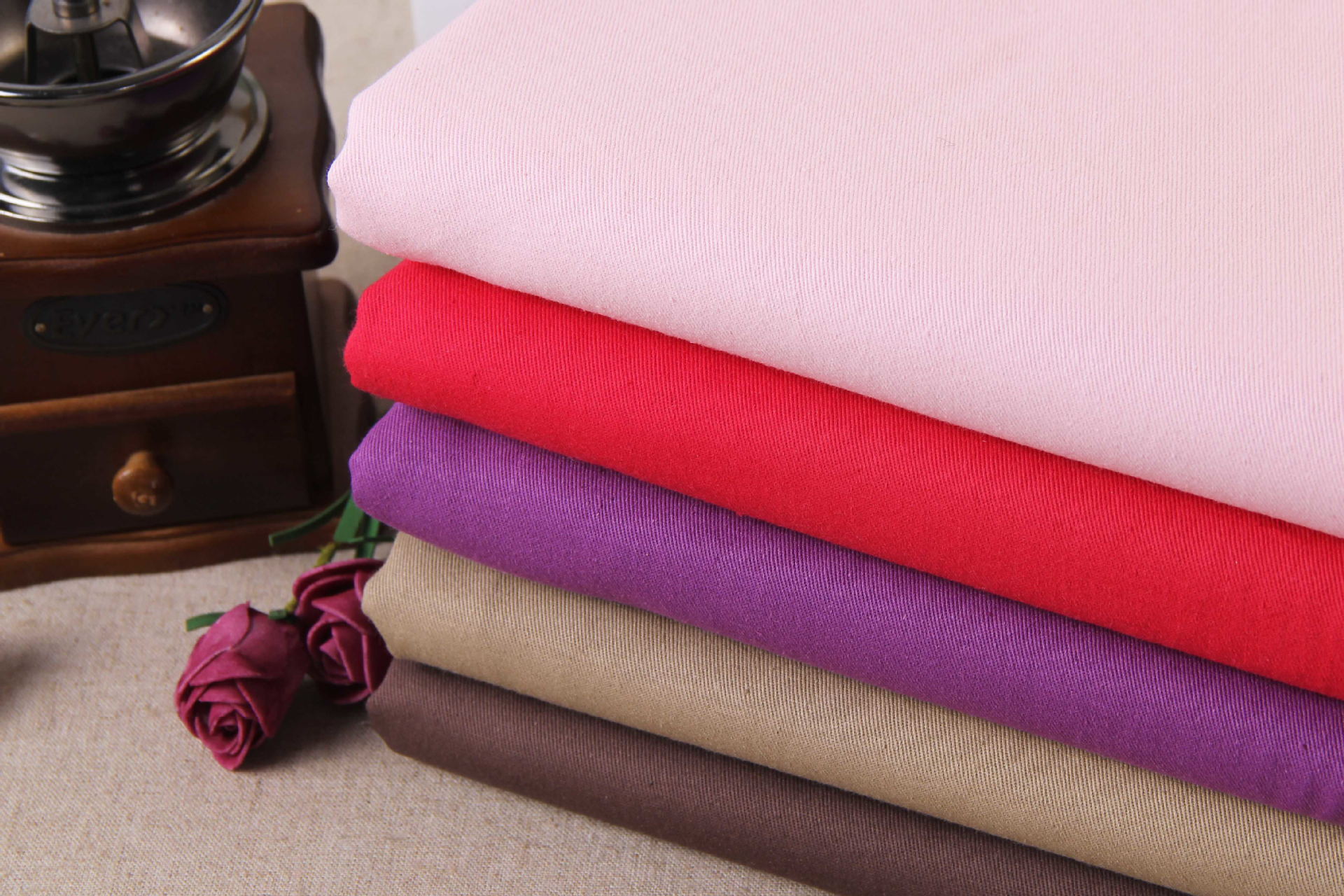
When considering printed cloth fabrics, it’s essential to pay attention to the type of fabric being used. Different materials, such as cotton, polyester, or blends, can significantly impact the printing process and the final outcome. For instance, natural fibers may absorb dye differently than synthetic ones, affecting color vibrancy and durability. Therefore, selecting the appropriate fabric type is crucial for achieving high-quality results in printed textiles.
Sustainability is also an important consideration in the production of printed cloth fabrics. Many companies are now exploring eco-friendly inks and processes that minimize environmental impact. This trend not only caters to the growing consumer demand for sustainable products but also fosters innovation in developing new materials and methods that align with eco-conscious values.
In conclusion, the world of printed cloth fabrics is rich with opportunities for professionals in the textile industry. By understanding various printing techniques, fabric types, and sustainability considerations, individuals can enhance their expertise and contribute to the evolving landscape of textile design. Embracing the versatility of printed cloth fabrics will not only lead to creative expression but also to greater market relevance in a competitive industry.
More Events

Bulk fleece fabric buying guide: types, weights, and where to order wholesale
A complete 2026 guide to buying bulk fleece fabric wholesale — covering GSM weight comparisons, fabric types, anti-pill specs, MOQ requirements, sustainability certifications, and how to choose the right fleece fabric supplier for your business.
Oct 09,2026
How to find reliable viscose fabric suppliers: a practical sourcing guide
Looking for reliable viscose fabric suppliers in 2026? This practical sourcing guide covers MOQ, certifications, and a ready-to-use RFQ checklist for procurement teams.
Sep 28,2026

Wholesale fleece fabric buying guide: types, prices & sourcing tips
Complete 2026 guide to wholesale fleece fabric: compare GSM weights, MOQ requirements, tiered pricing, eco-certified rPET options, and project-based selection tips for apparel manufacturers and bulk buyers.
Sep 24,2026
Get in Touch
We sincerely wish to set up a long-term cooperative relationship with you. Welcome you to pay a visit to us.
Contact your comprehensive solution provider W&S immediately !
We produce fashionable fabrics and various men's and women's clothing, but we would prefer to see you collaborate with us.
Quick Link
Garment

Copyright © Nantong Wang and sheng Textile Co., Ltd. All Right Reserved.

Whatsapp: 8615996649800
Looking forward to your call
Tel: +86-15996649800
Looking forward to your call
Email: Nick.wang@ntwangsheng.com
Looking forward to your letter