
Essential Tips for Caring for Your Printed Cloth Fabric Products
Release Time:
Aug 26,2025
Author:
Essential Tips for Caring for Your Printed Cloth Fabric Products
Printed cloth fabric products are not only a staple in fashion and home décor but also a reflection of individual style and creativity. Whether you're dealing with vibrant printed fabrics used in upholstery, clothing, or accessories, proper care is essential to maintain their appearance and durability. In this article, we will explore essential tips for caring for your printed cloth fabric products, ensuring they remain beautiful and functional for years to come.
Understanding Printed Cloth Fabrics
Before diving into care tips, it's crucial to understand the nature of printed cloth fabrics. These fabrics are created using various printing techniques that apply colors, patterns, and designs onto the textile. Common materials include cotton, linen, polyester, and blends, each requiring specific care methods to maintain their quality.
The Importance of Fabric Composition
The first step in caring for your printed cloth fabric products is understanding the fabric composition. Different materials react differently to cleaning methods, heat, and exposure. For instance:
- Cotton: Durable and easy to clean but may shrink if washed in hot water.
- Polyester: Resistant to wrinkles and shrinking, but may not absorb dye as well.
- Linen: Naturally breathable but can be prone to wrinkles.
By knowing your fabric, you can tailor your care routine accordingly.
Washing Techniques for Printed Fabrics
1. Hand Washing: The Gentle Approach
For delicate printed cloth fabrics, hand washing is often the best method. It minimizes wear and tear while effectively removing dirt and stains. Follow these steps:
- Fill a basin with cold or lukewarm water, adding a gentle detergent suitable for your fabric type.
- Submerge the fabric and gently agitate the water, allowing the detergent to penetrate the fibers.
- Rinse thoroughly with cold water until all soap residue is gone.
- Avoid twisting or wringing the fabric, as this can distort the print.
2. Machine Washing: When It's Appropriate
Many printed cloth fabrics can be machine washed; however, it's essential to follow these guidelines:
- Always check the care label for specific washing instructions.
- Use a gentle cycle with cold water to prevent color fading.
- Place the fabric in a mesh laundry bag to protect it from snagging and tangling.
Utilizing a mild detergent will help preserve the fabric's vibrancy and integrity.
3. Drying Your Printed Fabrics
How you dry your printed cloth fabric products can significantly impact their lifespan. Here’s how to do it right:
- Air Drying: The safest option for most printed fabrics. Lay the fabric flat on a clean, dry surface, away from direct sunlight to prevent color fading.
- Tumble Drying: If the care label permits, use a low heat setting and remove the fabric while it's still slightly damp to prevent over-drying and shrinking.
Ironing and Pressing Printed Fabrics
1. Setting the Right Temperature
When it comes to ironing printed cloth fabrics, temperature control is key. Always check the care label for the recommended iron settings. Typically, synthetic fabrics require a lower temperature compared to natural fibers:
- Cotton: Medium to high heat.
- Polyester: Low to medium heat.
- Linen: High heat, but with steam.
2. Using a Pressing Cloth
To prevent direct heat from damaging the print, use a pressing cloth. This can be a clean cotton cloth that acts as a barrier between the iron and the fabric, protecting your prints while allowing you to achieve a smooth finish.
Storing Your Printed Cloth Fabric Products
1. Proper Folding Techniques
To keep your printed fabrics looking their best, proper storage is essential. Avoid hanging fabrics, as this can lead to stretching and misshaping. Instead, follow these steps:
- Fold the fabric neatly to minimize creasing.
- Store in a cool, dry place away from direct sunlight to prevent fading.
- If possible, use acid-free tissue paper between folds to prevent creases and protect the print.
2. Avoiding Moisture and Humidity
Moisture can lead to mold and mildew, especially in printed fabrics. Ensure your storage area is dry and well-ventilated. Consider using silica gel packets to absorb excess moisture.
Addressing Stains on Printed Fabrics
1. Act Quickly
Stains on printed fabrics should be treated as soon as possible. The longer a stain sits, the harder it becomes to remove. Here’s a simple method for treating common stains:
- Blot the stain gently with a clean cloth to absorb excess liquid.
- Apply a small amount of mild detergent directly to the stain, letting it sit for a few minutes.
- Rinse with cold water before washing it according to the fabric's care instructions.
2. Specialized Stain Removers
For tougher stains, consider using a specialized stain remover. Always test it on an inconspicuous area first to ensure it doesn’t affect the fabric’s color or print. Follow the manufacturer's instructions for the best results.
FAQs about Caring for Printed Cloth Fabric Products
1. Can I bleach my printed fabric?
It’s best to avoid bleach on printed fabrics, as it can damage the print and the fibers. Instead, opt for color-safe detergents designed for colored fabrics.
2. How can I prevent fading in my printed fabrics?
To prevent fading, wash printed fabrics in cold water, avoid prolonged exposure to sunlight, and consider using UV-protective spray.
3. Is it safe to wash printed fabric with other laundry items?
While it’s generally safe, it’s recommended to wash printed fabrics with similar colors to avoid dye transfer. Always check care labels.
4. How often should I wash my printed fabric products?
The frequency of washing depends on usage. For items like clothing, wash after wearing. For decorative items, clean them periodically based on dust accumulation.
5. What should I do if my fabric shrinks after washing?
If your fabric shrinks, gently stretch it back to its original shape while it’s damp. Avoid pulling too hard, as this can distort the print.
Conclusion
Caring for printed cloth fabric products is essential to maintain their vibrant colors and overall quality. By understanding the material, using appropriate washing techniques, and following proper storage methods, you can ensure your favorite printed textiles remain a cherished part of your wardrobe or home décor for years to come. With these expert tips, you can confidently enjoy your printed fabrics while preserving their beauty and functionality.
More Events

Bulk fleece fabric buying guide: types, weights, and where to order wholesale
A complete 2026 guide to buying bulk fleece fabric wholesale — covering GSM weight comparisons, fabric types, anti-pill specs, MOQ requirements, sustainability certifications, and how to choose the right fleece fabric supplier for your business.
Oct 09,2026
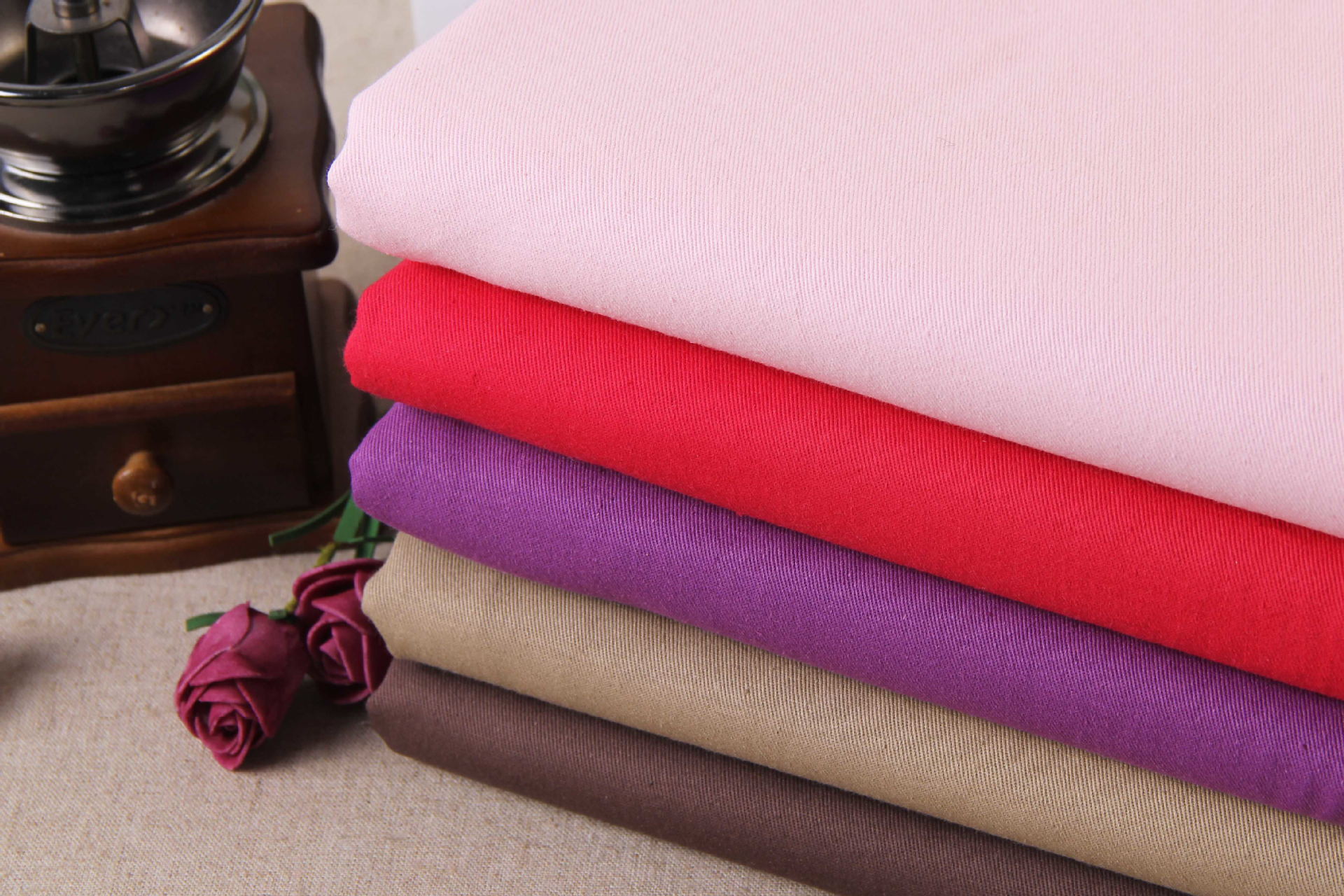
How to find reliable viscose fabric suppliers: a practical sourcing guide
Looking for reliable viscose fabric suppliers in 2026? This practical sourcing guide covers MOQ, certifications, and a ready-to-use RFQ checklist for procurement teams.
Sep 28,2026
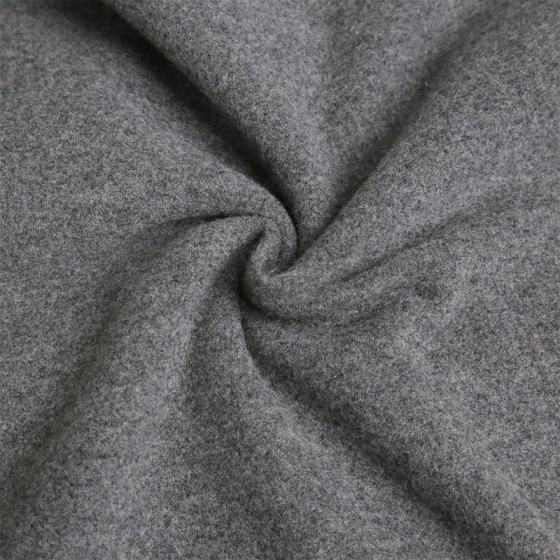
Wholesale fleece fabric buying guide: types, prices & sourcing tips
Complete 2026 guide to wholesale fleece fabric: compare GSM weights, MOQ requirements, tiered pricing, eco-certified rPET options, and project-based selection tips for apparel manufacturers and bulk buyers.
Sep 24,2026
Get in Touch
We sincerely wish to set up a long-term cooperative relationship with you. Welcome you to pay a visit to us.
Contact your comprehensive solution provider W&S immediately !
We produce fashionable fabrics and various men's and women's clothing, but we would prefer to see you collaborate with us.
Quick Link
Garment

Copyright © Nantong Wang and sheng Textile Co., Ltd. All Right Reserved.

Whatsapp: 8615996649800
Looking forward to your call
Tel: +86-15996649800
Looking forward to your call
Email: Nick.wang@ntwangsheng.com
Looking forward to your letter