Understanding Digital Printed Fabric: Innovations in Textile Printing
Release Time:
Sep 02,2025
Author:
One of the primary advantages of digital printed fabric is the ability to produce intricate and detailed designs with vibrant colors. Designers can create unique patterns and artwork that may have been difficult or impossible to achieve with conventional printing methods. This capability makes digital printing particularly popular among fashion designers, interior decorators, and manufacturers looking to offer customized products.
Moreover, digital printing allows for short production runs, which is ideal for small businesses or those looking to test new designs without committing to large quantities. This flexibility helps reduce inventory costs and enables quicker turnaround times, allowing designers to keep up with rapidly changing market trends.
The technology behind digital printed fabric involves high-resolution printers that use specialized inks to ensure durability and washability. These printers can work on various fabric types, including cotton, polyester, and blends, catering to a wide range of applications. As a result, digital printed fabrics are increasingly used in fashion apparel, home textiles, and promotional products.
Another essential aspect of digital printing is its eco-friendliness. Traditional fabric printing processes often generate significant waste due to the large amounts of water and chemicals used. In contrast, digital printing minimizes waste by applying ink directly onto the fabric and often requires less water. Many digital inks are also designed to be more environmentally sustainable, contributing to a greener textile industry.
Furthermore, digital printed fabric supports on-demand production, which aligns with the growing consumer demand for personalized and unique products. By enabling custom designs and small batch production, businesses can cater to niche markets and individual preferences, enhancing customer satisfaction.
In summary, digital printed fabric represents a significant leap forward in textile printing technology. With its ability to produce high-quality designs, reduce waste, and facilitate on-demand production, it is shaping the future of the textile industry. As the technology continues to evolve, we can expect even more innovative applications and sustainable practices in fabric printing, making it an exciting time for professionals within the textile sector to explore the possibilities that digital printing offers.
More Events

Bulk fleece fabric buying guide: types, weights, and where to order wholesale
A complete 2026 guide to buying bulk fleece fabric wholesale — covering GSM weight comparisons, fabric types, anti-pill specs, MOQ requirements, sustainability certifications, and how to choose the right fleece fabric supplier for your business.
Oct 09,2026
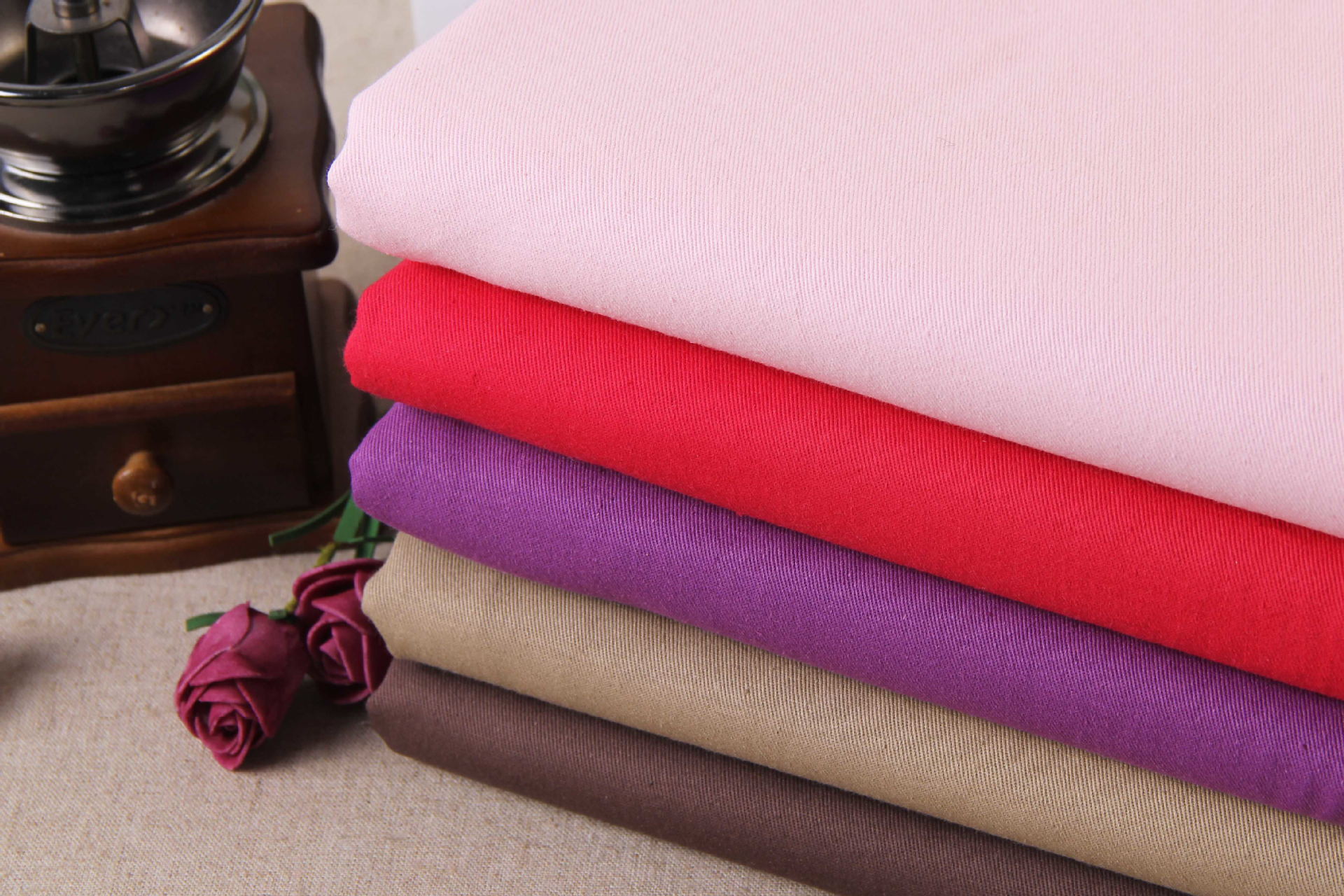
How to find reliable viscose fabric suppliers: a practical sourcing guide
Looking for reliable viscose fabric suppliers in 2026? This practical sourcing guide covers MOQ, certifications, and a ready-to-use RFQ checklist for procurement teams.
Sep 28,2026
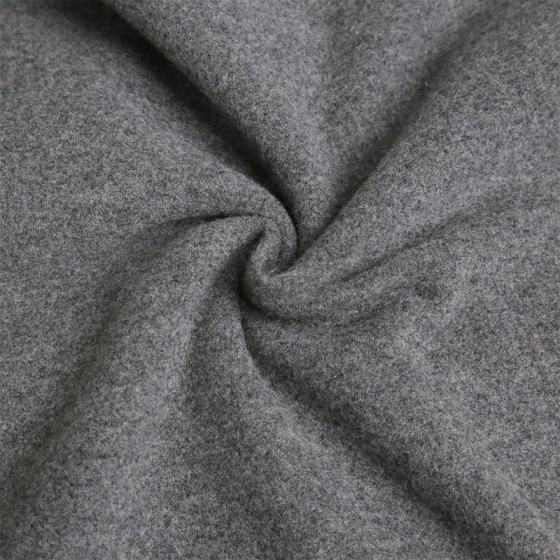
Wholesale fleece fabric buying guide: types, prices & sourcing tips
Complete 2026 guide to wholesale fleece fabric: compare GSM weights, MOQ requirements, tiered pricing, eco-certified rPET options, and project-based selection tips for apparel manufacturers and bulk buyers.
Sep 24,2026
Get in Touch
We sincerely wish to set up a long-term cooperative relationship with you. Welcome you to pay a visit to us.
Contact your comprehensive solution provider W&S immediately !
We produce fashionable fabrics and various men's and women's clothing, but we would prefer to see you collaborate with us.
Quick Link
Garment

Copyright © Nantong Wang and sheng Textile Co., Ltd. All Right Reserved.

Whatsapp: 8615996649800
Looking forward to your call
Tel: +86-15996649800
Looking forward to your call
Email: Nick.wang@ntwangsheng.com
Looking forward to your letter