
Maximizing Visual Impact: Expert Tips for Selecting the Perfect Digital Printed Fabric
Release Time:
Sep 17,2025
Author:
Maximizing Visual Impact: Expert Tips for Selecting the Perfect Digital Printed Fabric
Table of Contents
- Understanding Digital Printed Fabric
- Benefits of Using Digital Printed Fabric
- Factors to Consider When Choosing Fabric
- Design Techniques for Visual Impact
- Common Mistakes to Avoid When Choosing Digital Printed Fabric
- Maintaining Your Printed Fabric for Longevity
- Frequently Asked Questions
- Conclusion
Understanding Digital Printed Fabric
Digital printed fabric represents a revolutionary shift in textile printing technology. Unlike traditional methods that use screens, digital printing allows for intricate designs and vibrant colors to be printed directly onto fabric using specialized inkjet printers. This method offers exceptional flexibility, enabling designers to create custom patterns with unparalleled detail and precision.
The process begins with a digital file, which can be a photograph or graphic design. This file is then sent to a printer that applies the ink directly onto the fabric, allowing for complex designs that can range from simple motifs to elaborate images. As a result, digital printed fabrics are becoming increasingly popular in fashion, interior design, and various craft applications.
Benefits of Using Digital Printed Fabric
Choosing digital printed fabric presents a myriad of advantages over traditional methods.
Versatility and Customization
One of the primary benefits is the **versatility** it offers. Designers can easily customize prints to match specific themes or color palettes, ensuring that the fabric aligns perfectly with their vision. This level of personalization is particularly advantageous for fashion designers seeking unique pieces.
Vibrant Colors and Intricate Designs
Digital printing also allows for an exceptional **range of colors** and intricate design possibilities. Unlike traditional methods that may limit color variation, digital prints maintain the vibrancy of hues and allow for fine details, making them ideal for striking visuals.
Eco-Friendly Options
Sustainability is another critical consideration in today's market. Many digital printing processes utilize eco-friendly inks and materials, reducing the environmental impact. By opting for **sustainable digital printed fabrics**, designers can appeal to environmentally conscious consumers.
Factors to Consider When Choosing Fabric
When selecting digital printed fabric, several key factors should guide your decision.
Fabric Types for Digital Printing
Understanding the **types of fabric** compatible with digital printing is essential. Common materials include cotton, polyester, and silk, each offering unique qualities. Cotton is prized for its softness, while polyester provides durability and moisture-wicking properties. Silk, on the other hand, adds a luxurious touch but may require delicate handling.
Color and Pattern Selection
The choice of **color and pattern** is vital for creating visual impact. Bold, contrasting colors can draw attention, while subtle patterns may evoke elegance. Consider the intended use of the fabric—whether for clothing, home décor, or accessories—as this will influence your color and pattern choices.
Fabric Sustainability and Durability
As mentioned, sustainability is increasingly important. Opt for fabrics that are not only eco-friendly but also durable. Evaluate the longevity of the fabric based on its intended use, ensuring it can withstand wear while maintaining its visual appeal.
Design Techniques for Visual Impact
Once you’ve chosen the right fabric, employing effective design techniques can further enhance its visual impact.
Utilizing Scale and Proportion
Playing with **scale and proportion** can transform a design. Large prints can create a bold statement piece, while smaller designs may work better for subtler applications. Think about how the fabric will be used and choose a scale that complements its purpose.
Incorporating Textures
Incorporating various textures can add depth to your design. Combining smooth digital prints with textured elements can create an engaging visual experience. Consider layering fabrics or using techniques like embroidery or appliqué to enhance the overall look.
Color Harmonies and Contrasts
Understanding **color theory** is crucial in design. Explore color harmonies, such as complementary, analogous, and triadic schemes, to create visually striking combinations. Contrast can also highlight specific design elements, drawing the viewer's eye to focal points.
Common Mistakes to Avoid When Choosing Digital Printed Fabric
Navigating the world of digital printed fabric can be challenging. Here are some **common mistakes** to sidestep:
Neglecting Fabric Quality
Always prioritize quality over cost. Choosing subpar fabric can lead to disappointing results, regardless of how stunning your design may be. Investing in high-quality materials will enhance the longevity and appearance of your final product.
Overlooking Print Resolution
Ensure that your digital files are of sufficient resolution for printing. Low-resolution images can result in pixelation, ruining the overall quality of the fabric. Aim for high-resolution files to maintain clarity and detail.
Ignoring End Use
Consider the **end use** of the printed fabric. What works for a fashion piece may not be suitable for home décor. Tailor your choices to the specific applications to maximize effectiveness.
Maintaining Your Printed Fabric for Longevity
Taking care of your digital printed fabric is vital for preserving its beauty and extending its lifespan.
Washing Guidelines
Follow the recommended washing instructions for the specific fabric type. Many digital prints require gentle handling, so opt for cold water washes and avoid harsh detergents. This will help maintain color vibrancy and fabric integrity.
Storage Tips
Proper storage is equally important. Store fabrics in a cool, dry place, away from direct sunlight to prevent fading. Rolling fabrics instead of folding them can also help avoid creases and maintain their original appearance.
Frequently Asked Questions
1. What types of fabric are best for digital printing?
Cotton, polyester, and silk are among the best options, each offering unique properties that enhance the final product.
2. How do I choose the right colors for my design?
Consider the intended mood and application of your fabric. Utilize color theory to explore harmonies and contrasts that will create visual interest.
3. Can I print my own designs at home?
Yes, if you have a compatible printer and quality inks, you can create your own designs. However, for professional results, consider using a specialized printing service.
4. Is digital printed fabric environmentally friendly?
Many digital printing processes use eco-friendly inks and materials, making them a sustainable choice in the textile industry.
5. How do I maintain the quality of my printed fabric?
Follow specific washing instructions, store the fabric properly, and avoid exposure to harsh conditions to maintain its quality.
Conclusion
Selecting the right digital printed fabric is pivotal in maximizing visual impact for any design project. By understanding the nuances of fabric types, colors, and design techniques, you can create stunning textiles that stand out. With careful consideration and proper maintenance, your digital printed fabric can bring your creative visions to life while ensuring longevity and sustainability. Embrace the power of digital printing to elevate your designs and capture the attention of your audience.
More Events

Bulk fleece fabric buying guide: types, weights, and where to order wholesale
A complete 2026 guide to buying bulk fleece fabric wholesale — covering GSM weight comparisons, fabric types, anti-pill specs, MOQ requirements, sustainability certifications, and how to choose the right fleece fabric supplier for your business.
Oct 09,2026
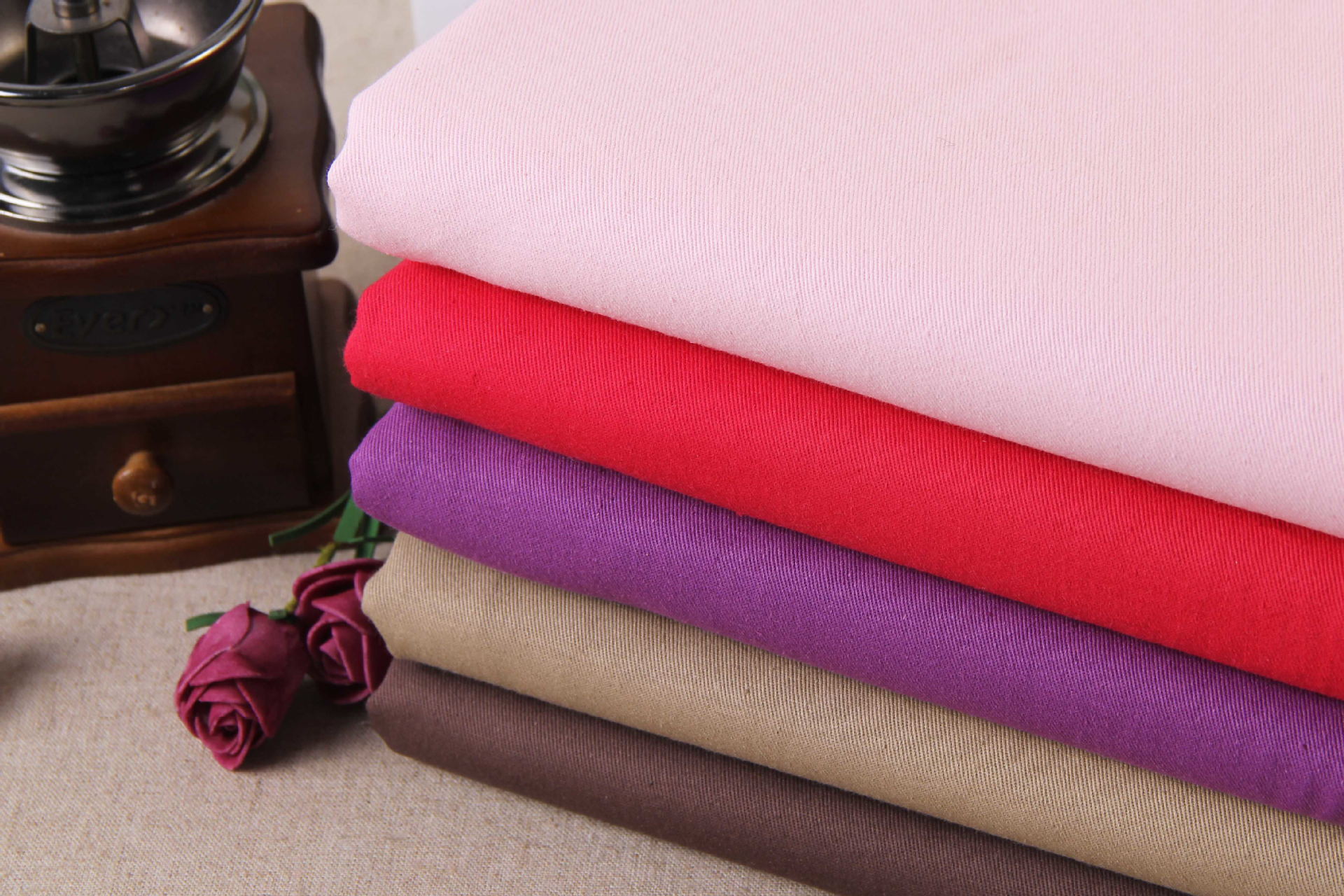
How to find reliable viscose fabric suppliers: a practical sourcing guide
Looking for reliable viscose fabric suppliers in 2026? This practical sourcing guide covers MOQ, certifications, and a ready-to-use RFQ checklist for procurement teams.
Sep 28,2026
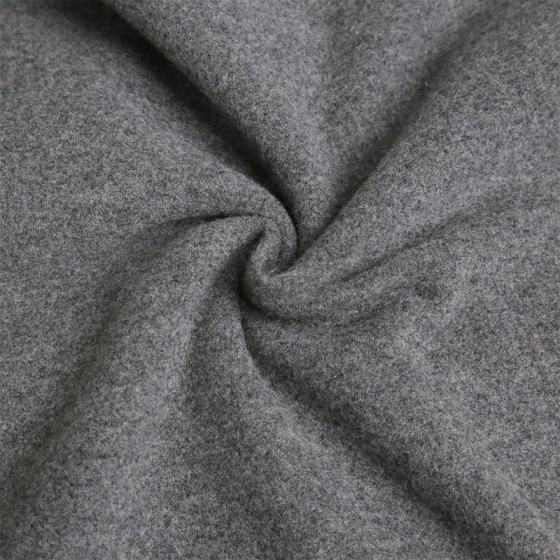
Wholesale fleece fabric buying guide: types, prices & sourcing tips
Complete 2026 guide to wholesale fleece fabric: compare GSM weights, MOQ requirements, tiered pricing, eco-certified rPET options, and project-based selection tips for apparel manufacturers and bulk buyers.
Sep 24,2026
Get in Touch
We sincerely wish to set up a long-term cooperative relationship with you. Welcome you to pay a visit to us.
Contact your comprehensive solution provider W&S immediately !
We produce fashionable fabrics and various men's and women's clothing, but we would prefer to see you collaborate with us.
Quick Link
Garment

Copyright © Nantong Wang and sheng Textile Co., Ltd. All Right Reserved.

Whatsapp: 8615996649800
Looking forward to your call
Tel: +86-15996649800
Looking forward to your call
Email: Nick.wang@ntwangsheng.com
Looking forward to your letter