
From Concept to Creation: The Process of Designing Printed Cloth Fabric
Release Time:
Oct 05,2025
Author:
From Concept to Creation: The Process of Designing Printed Cloth Fabric
Table of Contents
1. Introduction to Printed Cloth Fabric Design
2. The Ideation Process: Crafting Your Vision
3. Design Theory: Essential Principles for Creating Patterns
4. Choosing the Right Fabric for Your Printed Design
5. Exploring Printing Techniques for Fabric
6. Color Management in Printed Fabric Design
7. Ensuring Quality Control in Fabric Printing
8. Sustainable Practices in Fabric Printing
9. Conclusion
10. Frequently Asked Questions
Introduction to Printed Cloth Fabric Design
The world of printed cloth fabric design is a fascinating amalgamation of creativity, technology, and craftsmanship. As industries evolve, the demand for innovative and visually appealing textiles has surged. Designers today face the exciting challenge of transforming abstract ideas into tangible, printed fabrics. This article will take you through the intricate process of designing printed cloth fabric, from the initial spark of inspiration to the final product that graces shelves and runways.
The Ideation Process: Crafting Your Vision
The journey begins with **ideation**, a critical phase where concepts take shape. Designers often draw inspiration from various sources, including nature, art, culture, and current trends. It is essential to brainstorm and sketch out ideas, focusing on the theme of the collection. Consider the target audience—what appeals to them? This understanding will guide the design process.
During this phase, mood boards can be invaluable. By gathering images, color swatches, and fabric samples, designers can create a visual representation of their ideas. This tool helps consolidate thoughts and serves as a reference point throughout the design process.
Creating a Strong Concept
Crafting a strong concept involves narrowing down ideas to form a cohesive theme. Designers should ask themselves critical questions: What story does the design tell? How does it resonate with the intended audience? By establishing a clear narrative, designers can ensure that their printed fabric aligns with their vision.
Design Theory: Essential Principles for Creating Patterns
Once the concept is established, designers delve into the principles of design theory. Understanding these principles is crucial for creating visually appealing patterns that enhance the aesthetic quality of the fabric.
Elements of Design
The primary elements include **line**, **shape**, **color**, **texture**, and **space**. Each element serves a unique purpose and contributes to the overall design. For instance, lines can create movement and guide the viewer’s eye, while color can evoke emotions and set the mood.
Principles of Design
Equally important are the principles of design: balance, contrast, emphasis, movement, pattern, rhythm, and unity. A successful printed fabric design effectively utilizes these principles to create a harmonious composition. Exploring these concepts during the design phase can significantly enhance the fabric’s visual impact.
Choosing the Right Fabric for Your Printed Design
Selecting the appropriate fabric is pivotal to the success of the printed design. The choice of material influences the feel, durability, and overall appearance of the finished product. Factors to consider include:
- **Texture:** The texture affects how the print appears. Smooth fabrics may result in sharper designs, while textured fabrics may soften the visual impact.
- **Weight:** Heavier fabrics may lend a more luxurious feel, while lighter fabrics can create a more casual appearance.
- **Fiber Content:** The type of fiber (cotton, polyester, silk, etc.) will affect the printing method and the final outcome.
Understanding the properties of different fabrics allows designers to choose materials that complement their designs, enhancing the fabric's overall functionality and aesthetic appeal.
Exploring Printing Techniques for Fabric
The printing technique selected significantly impacts the design's final appearance. There are several methods available, each with unique advantages.
Screen Printing
Screen printing is one of the most widely used techniques, known for its durability and vibrant colors. This method involves creating a stencil (or screen) and using it to apply ink onto the fabric. It is ideal for bold designs and can be used on various materials.
Digital Printing
Digital printing has gained popularity due to its ability to produce detailed and intricate designs. This technique allows for direct printing on fabric using inkjet technology, making it suitable for small runs and custom designs. Digital printing also facilitates rapid prototyping.
Block Printing
This ancient technique involves carving a design into a block of wood or linoleum, which is then inked and stamped onto the fabric. Block printing is often used for artisanal and handmade textiles, adding a unique charm to the designs.
Heat Transfer Printing
Heat transfer printing utilizes heat to transfer a design from a carrier paper onto the fabric. This method is excellent for achieving photographic quality and is often used for custom apparel.
Color Management in Printed Fabric Design
Effective color management is critical to ensuring that the final printed fabric matches the designer’s vision. Various tools and practices can assist in achieving accurate color representation.
Color Palettes
Creating a well-defined color palette helps maintain consistency throughout the design process. Designers should consider color theory and select complementary colors that enhance the overall aesthetic.
Color Matching Systems
Using color matching systems, such as Pantone, can help ensure that colors remain consistent from design to production. This practice minimizes discrepancies and ensures that the final product meets the designer’s expectations.
Ensuring Quality Control in Fabric Printing
Quality control is an essential aspect of the fabric printing process. Implementing robust quality control measures can help identify and rectify issues before the final product reaches consumers.
Pre-Production Samples
Creating pre-production samples allows designers to assess the design's appearance and quality before full-scale production. This step helps identify potential issues, ensuring that the final product aligns with expectations.
Regular Inspections
Conducting regular inspections during the printing process can help catch errors early. This proactive approach minimizes waste and ensures that the quality of the printed fabric meets industry standards.
Sustainable Practices in Fabric Printing
As environmental concerns continue to rise, adopting sustainable practices in fabric printing has become increasingly important. Designers should consider eco-friendly materials and printing methods to reduce their environmental impact.
Eco-Friendly Fabrics
Opting for organic or recycled fabrics can significantly reduce the carbon footprint associated with fabric production. Sustainable materials not only benefit the environment but can also appeal to eco-conscious consumers.
Water-Based Inks
Using water-based inks instead of traditional solvents can minimize harmful emissions during the printing process. These inks are less toxic and often produce vibrant colors while being better for the environment.
Conclusion
Designing printed cloth fabric is an intricate process that merges creativity with technical expertise. From ideation to quality control, each step plays a crucial role in bringing a concept to life. Understanding the various elements of design, fabric selection, printing techniques, and sustainability practices is essential for creating successful printed textiles. As the industry continues to evolve, embracing innovative practices and remaining adaptable will ensure that designers can meet the ever-changing demands of the market.
Frequently Asked Questions
1. What are the most common printing techniques used in fabric design?
The most common techniques include screen printing, digital printing, block printing, and heat transfer printing. Each method has its unique advantages and suitability based on the design and fabric used.
2. How do I choose the right fabric for my printed designs?
Consider the texture, weight, and fiber content of the fabric. The right choice depends on the desired look and feel of the finished product, as well as the printing method.
3. What is color management, and why is it important in fabric printing?
Color management involves ensuring that colors are consistent throughout the design and printing process. It is crucial for achieving the desired look in the final product.
4. How can I ensure quality control in my fabric printing projects?
Implementing regular inspections, creating pre-production samples, and adhering to industry standards can help maintain quality throughout the printing process.
5. Are there sustainable options for fabric printing?
Yes, using eco-friendly fabrics and water-based inks are excellent ways to make fabric printing more sustainable. These practices can reduce environmental impact and appeal to eco-conscious consumers.
More Events

Bulk fleece fabric buying guide: types, weights, and where to order wholesale
A complete 2026 guide to buying bulk fleece fabric wholesale — covering GSM weight comparisons, fabric types, anti-pill specs, MOQ requirements, sustainability certifications, and how to choose the right fleece fabric supplier for your business.
Oct 09,2026
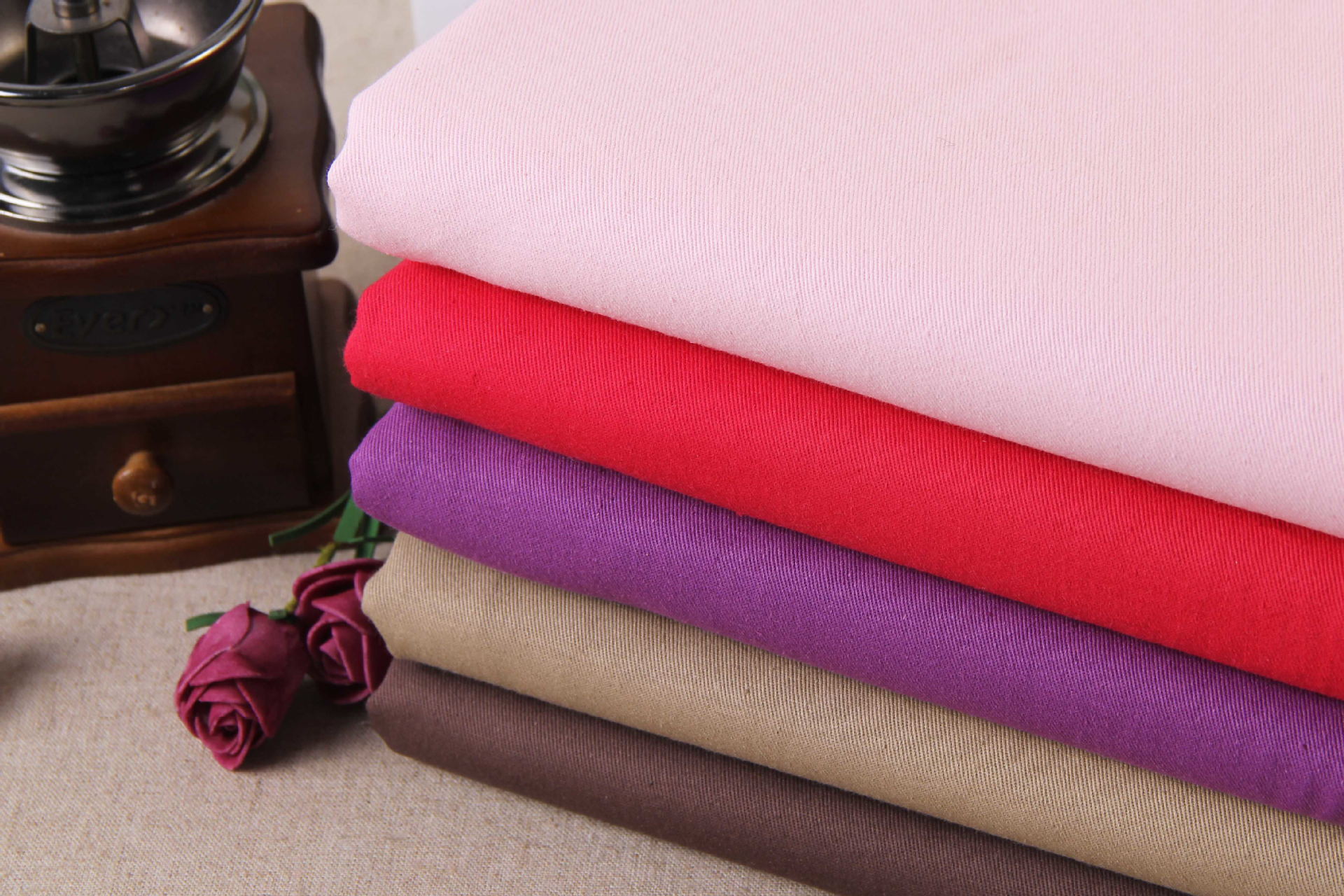
How to find reliable viscose fabric suppliers: a practical sourcing guide
Looking for reliable viscose fabric suppliers in 2026? This practical sourcing guide covers MOQ, certifications, and a ready-to-use RFQ checklist for procurement teams.
Sep 28,2026
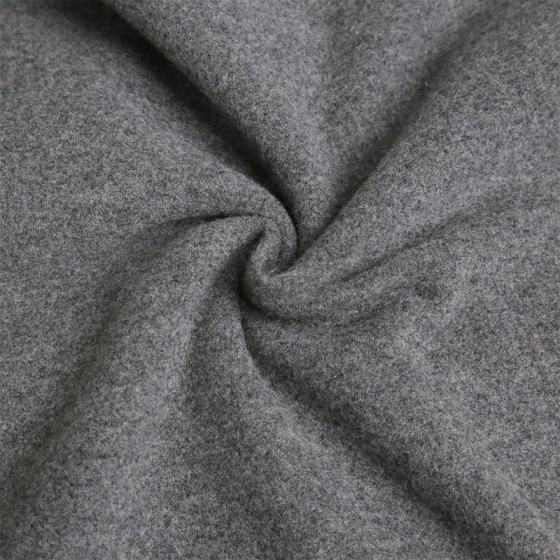
Wholesale fleece fabric buying guide: types, prices & sourcing tips
Complete 2026 guide to wholesale fleece fabric: compare GSM weights, MOQ requirements, tiered pricing, eco-certified rPET options, and project-based selection tips for apparel manufacturers and bulk buyers.
Sep 24,2026
Get in Touch
We sincerely wish to set up a long-term cooperative relationship with you. Welcome you to pay a visit to us.
Contact your comprehensive solution provider W&S immediately !
We produce fashionable fabrics and various men's and women's clothing, but we would prefer to see you collaborate with us.
Quick Link
Garment

Copyright © Nantong Wang and sheng Textile Co., Ltd. All Right Reserved.

Whatsapp: 8615996649800
Looking forward to your call
Tel: +86-15996649800
Looking forward to your call
Email: Nick.wang@ntwangsheng.com
Looking forward to your letter