
The Role of Technology in Advancing Printed Cloth Fabric Quality
Oct 15,2025
The Role of Technology in Advancing Printed Cloth Fabric Quality
Introduction to Printed Cloth Fabric Quality
As we navigate the world of textiles, **printed cloth fabric quality** stands out as a critical element in both fashion and functional applications. The aesthetic appeal and durability of printed fabrics heavily rely on the technologies employed in their production. With the burgeoning advancements in technology, the textile industry is experiencing a transformation, enhancing the quality and efficiency of printed fabrics. This article aims to illuminate the various ways technology influences printed cloth fabric quality and the future prospects it holds.
Understanding the Importance of Quality in Printed Fabrics
The quality of printed fabrics plays a crucial role in their usability and consumer acceptance. High-quality printed cloth not only enhances the visual appeal of garments but also influences durability, comfort, and performance. Factors such as colorfastness, print clarity, and fabric resilience are paramount. As consumer expectations rise, manufacturers are compelled to adopt innovative technologies to ensure that printed fabrics meet these demanding standards.
Key Factors Influencing Fabric Quality
Several key factors determine the quality of printed fabrics:
1. Material Composition
The choice of base fabric—be it cotton, polyester, silk, or blends—affects the print's vibrancy and longevity. Understanding fiber properties is essential for achieving optimal results.
2. Printing Techniques
Different printing techniques, such as screen printing, digital printing, and dye-sublimation, yield varying results in terms of detail and color vibrancy. Each technique has its strengths and weaknesses, making them suitable for different applications.
3. Ink Quality
The type and quality of inks used in the printing process significantly impact the final product. Eco-friendly inks, for example, not only reduce environmental impact but also enhance color retention and wash durability.
4. Finishing Processes
Finishing treatments such as coatings and washes can enhance the fabric's tactile properties and improve durability, influencing how the printed fabric feels and performs over time.
Advancements in Printing Technology
Technological advancements in the textile industry have led to significant improvements in printed fabric quality. Here, we discuss some of the cutting-edge technologies that are setting new benchmarks.
Digital Printing Revolution
Digital fabric printing has revolutionized the industry by allowing for precise designs and a wider range of colors. Unlike traditional printing methods, digital printing enables:
- **Short-run production**: Ideal for custom designs and small orders, allowing brands to cater to niche markets without overproducing.
- **Design flexibility**: Designers can experiment with intricate patterns and color gradients that were previously challenging to achieve.
- **Reduced waste**: With digital printing, only the necessary amount of fabric is used, minimizing waste and environmental impact.
3D Printing in Textile Production
3D printing is making waves in textile manufacturing, offering innovative solutions for creating complex structures and designs. Its applications include:
- **Custom-fit garments**: 3D printing allows for garments to be tailored to individual body shapes, increasing comfort and reducing return rates.
- **Novel textures and patterns**: Designers can create unique surface designs that add depth and interest to printed fabrics.
Advanced Dyeing Techniques
New dyeing technologies, such as **reactive dyeing** and **disperse dyeing**, have improved the color retention and vibrancy of printed fabrics. These methods ensure:
- **Higher colorfastness**: Fabrics remain vibrant even after multiple washes.
- **Eco-friendly processes**: Advanced dyeing techniques often utilize less water and energy, aligning with sustainability goals in the industry.
Material Innovations Enhancing Fabric Quality
In addition to printing technologies, advancements in fabric materials are also contributing to improved printed cloth quality.
Sustainable Fabrics
The demand for sustainable textiles has surged, leading to innovations in fabric materials. Organic cotton, recycled polyester, and Tencel are some examples of eco-friendly fibers that not only reduce environmental impact but also enhance fabric quality through their inherent properties.
Smart Fabrics and Textiles
The integration of technology into fabrics is transforming the functionality of printed textiles. Smart fabrics equipped with sensors can monitor temperature, moisture levels, and even health metrics, offering consumers added value and a unique user experience.
The Role of Automation and Artificial Intelligence
Automation and AI are quickly becoming integral components of the textile manufacturing process. Their contributions include:
Efficiency and Accuracy in Production
Automated systems streamline production processes, reducing human error and increasing speed. AI-driven analytics help manufacturers optimize their operations, ensuring consistent quality in printed cloth fabrics.
Predictive Maintenance and Quality Control
AI technologies can predict equipment failure and maintenance needs, minimizing downtime and ensuring that printing machines operate at peak performance. Additionally, AI can assess product quality in real-time, identifying defects before they reach the consumer.
Consumer Trends and Expectations
As the market evolves, consumer preferences continue to shape the landscape of printed fabric quality. Key trends include:
Demand for Customization
Consumers are increasingly seeking personalized options in fashion. The ability to create custom-designed printed fabrics is a selling point that enhances customer satisfaction and loyalty.
Interest in Sustainability
With a growing awareness of environmental issues, consumers are gravitating toward sustainable products. Companies that adopt eco-friendly practices in their printing processes are likely to attract conscientious buyers.
Technological Integration in Retail Experiences
Retailers are leveraging technology to enhance the shopping experience. Augmented reality (AR) applications, for instance, allow consumers to visualize how printed fabrics would look in real life, aiding their purchasing decisions.
Challenges in the Adoption of New Technologies
Despite the myriad benefits, the integration of new technologies in printed fabric production is not without challenges:
Cost Implications
Investing in advanced technology can be expensive, especially for small to medium enterprises. The initial costs of equipment and training can be a barrier to entry.
Skill Gap in the Workforce
As technology evolves, there is a growing need for skilled labor capable of operating advanced machinery and understanding complex processes.
Resistance to Change
Some manufacturers may be hesitant to adopt new technologies due to established practices or fear of disruption in their production processes.
Future Prospects for Printed Cloth Fabric Quality
The future of printed cloth fabric quality is bright, driven by continuous advancements in technology and materials. We can expect to see:
- **Increased personalization**: Advances in digital printing will continue to facilitate customization, allowing consumers to express their individuality.
- **Enhanced sustainability**: As the industry moves toward more sustainable practices, eco-friendly materials and processes will become the norm.
- **Greater integration of technology**: The fusion of textiles with technology will lead to smarter fabrics that offer new functionalities and benefits.
Conclusion
The advancements in technology are undeniably shaping the future of printed cloth fabric quality. From innovative printing techniques to sustainable materials and smart textiles, the industry is witnessing a transformation that prioritizes quality, efficiency, and consumer satisfaction. As manufacturers continue to embrace these changes, the potential for growth and improvement in the printed fabric sector remains vast. By remaining attuned to technological trends and consumer demands, the textile industry can ensure a prosperous future, delivering high-quality products to an ever-evolving market.
FAQs
1. What are the most popular printing techniques for fabrics?
The most popular techniques include screen printing, digital printing, and dye-sublimation. Each has its unique benefits depending on the desired outcome.
2. How does digital printing enhance fabric quality?
Digital printing allows for high-definition designs with vibrant colors, reducing waste and enabling customization for various consumer needs.
3. What are sustainable fabrics, and why are they important?
Sustainable fabrics are made from eco-friendly materials that reduce environmental impact. They are increasingly essential as consumers become more environmentally conscious.
4. How can automation impact fabric production?
Automation increases efficiency, reduces human error, and improves consistency in quality, all contributing to higher fabric standards.
5. What role does consumer preference play in the future of printed fabrics?
Consumer preferences drive innovation, as demands for customization and sustainability shape the direction of textile manufacturing and design.
More Events
Understanding Cotton Dyed Fabric: A Comprehensive Guide to Textile Dyeing
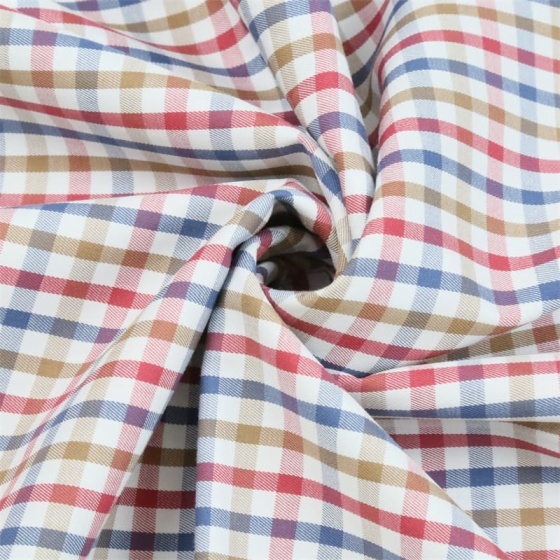
Cotton dyed fabric is a cornerstone in the textile industry, especially within the realm of dyeing and weaving. The process of dyeing cotton fabric involves applying colorants to cotton fibers, resulting in a wide variety of hues and patterns that enhance the fabric's aesthetic appeal. This technique not only elevates the visual qualities of the fabric but also plays a crucial role in the overall
Dec 05,2025
How to Effectively Market Products Made from Printed Cloth Fabric: A Comprehensive Guide
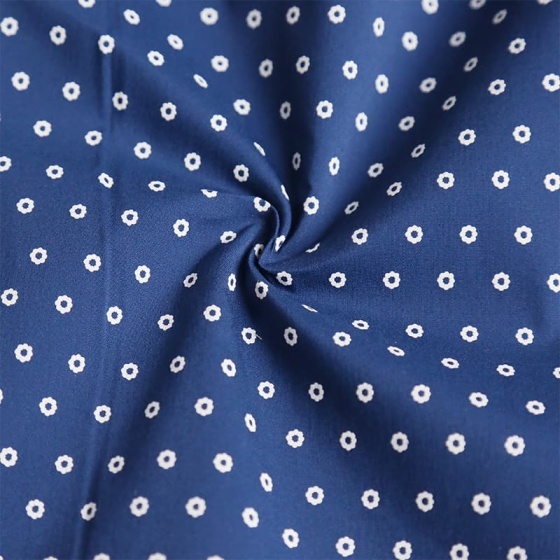
How to Effectively Market Products Made from Printed Cloth Fabric Table of Contents 1. Introduction to Printed Cloth Fabric Marketing 2. Understanding Your Target Audience 3. Crafting a Unique Selling Proposition (USP) 4. Utilizing Social Media Platforms for Promotion 4.1 Building a Strong Brand Presence 4.2 Engaging Content Creation 5. Leveraging Influencer Collaborations 6. Implementing SEO Stra
Dec 04,2025

Quality Linen Denim Fabric Supplier Supports Modern Apparel
In the fashion industry, the search for materials that offer both aesthetic appeal and practical comfort is ongoing. A blend like linen denim addresses this demand by combining the classic, durable look of denim with the natural, breathable properties of linen. For designers and clothing brands, working with a reliable quality linen denim fabric supplier is key to creating garments that meet the expectations of today's consumers.
Dec 03,2025
Do Not Heasite To Contact W&S, Your Comprehensive Solution Provider Now!
We like produce phone cases but we more like to see you earn lots of money by working with us.
Quick Link
Garment

Copyright © Nantong Wang and sheng Textile Co., Ltd. All Right Reserved.

Whatsapp: 8615996649800
Looking forward to your call
Tel: +86-15996649800
Looking forward to your call
Email: Nick.wang@ntwangsheng.com
Looking forward to your letter