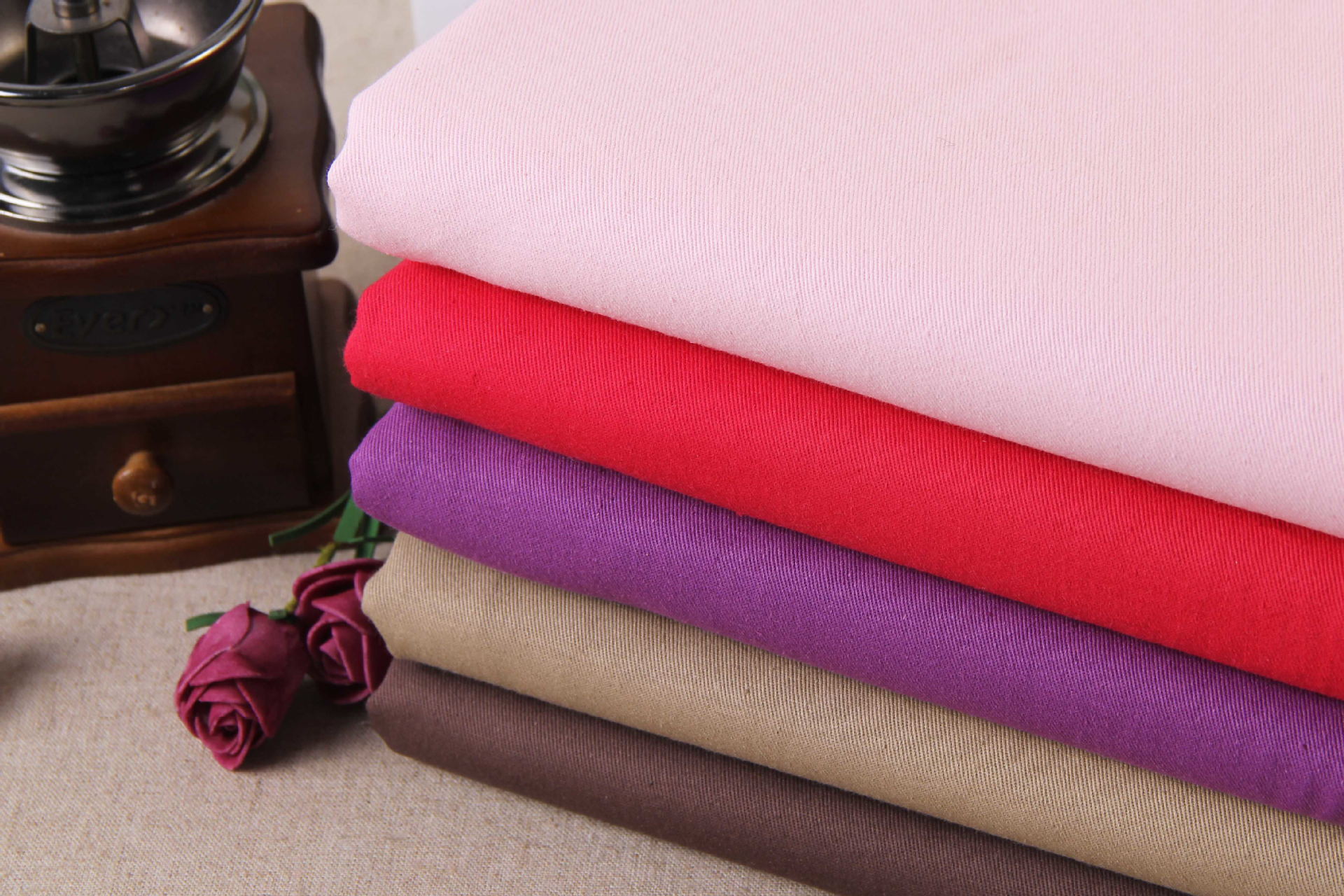
The Integral Role of Cotton Dyed Fabric in Shaping Sustainable Fashion
Release Time:
Oct 21,2025
Author:
The Integral Role of Cotton Dyed Fabric in Shaping Sustainable Fashion
Introduction to Sustainable Fashion
Sustainable fashion has emerged as a crucial movement in addressing the environmental challenges posed by the traditional fashion industry. As consumers become more aware of the ecological impact of their choices, there is a growing demand for materials that support sustainability. One significant player in this movement is cotton dyed fabric, known for its versatility and eco-friendliness. This article will explore the role of cotton dyed fabric in sustainable fashion, examining its benefits, innovative practices, and future prospects.
Understanding Cotton Dyed Fabric
Cotton dyed fabric is produced using natural cotton fibers that are dyed to achieve various colors and patterns. The dyeing process can significantly affect the environmental footprint of the fabric. By using eco-friendly methods, we can minimize waste and pollution, making cotton dyed fabric a sustainable choice.
The Environmental Impact of Traditional Dyeing Methods
Traditional dyeing processes often involve harmful chemicals and excessive water usage, contributing to environmental degradation. As consumers become more conscious of the fashion industry's impact, there is an urgent need for alternative dyeing methods that reduce harm to the planet.
Innovations in Cotton Dyeing Techniques
Recent advancements in dyeing techniques have made it possible to produce cotton dyed fabric in a more sustainable manner. Some of the innovative methods include:
1. Natural Dyes
Natural dyes are derived from plant sources, minerals, and insects. These dyes are biodegradable and provide a safer alternative to synthetic dyes. By utilizing natural dyes, we can reduce the environmental impact while offering unique and vibrant color palettes.
2. Digital Printing
Digital printing technology allows for precise and efficient dyeing of fabrics. This method minimizes waste by applying dye only where needed and can be used to create intricate designs without the need for extensive water use.
3. Waterless Dyeing Technologies
Innovations such as supercritical CO2 dyeing eliminate the need for water in the dyeing process, significantly reducing pollution and water consumption. This method is gaining traction in the industry, showcasing a commitment to sustainability.
The Benefits of Cotton Dyed Fabric in Sustainable Fashion
Cotton dyed fabric offers numerous advantages that align with sustainable fashion principles. Here are some key benefits:
1. Biodegradability
Cotton is a natural fiber that decomposes over time, making it an environmentally friendly choice. Unlike synthetic fibers, which contribute to landfill waste, cotton dyed fabric breaks down naturally, reducing its long-term impact on the environment.
2. Versatility and Comfort
Cotton is known for its softness and breathability, making it a popular choice for apparel. Cotton dyed fabric can be used in a wide range of clothing items, from casual wear to formal attire, while ensuring comfort for the wearer.
3. Supporting Local Economies
The production of cotton dyed fabric often supports local farmers and artisans. By choosing sustainable cotton, consumers can contribute to fair trade practices and support communities reliant on cotton production.
4. Aesthetic Appeal
The vibrant colors and unique patterns achievable with cotton dyed fabric add artistic value to garments. Designers can create visually striking pieces that stand out in the fashion market, highlighting the beauty of sustainable choices.
The Future of Cotton Dyed Fabric in the Fashion Industry
As the fashion industry continues to evolve, the role of cotton dyed fabric is becoming increasingly prominent. Here are some trends shaping its future:
1. Demand for Sustainable Materials
The shift towards sustainability is driving demand for materials like cotton dyed fabric. Consumers are increasingly seeking out brands that prioritize eco-friendly practices, leading to a growing market for sustainable textiles.
2. Collaboration Among Stakeholders
Collaboration between designers, manufacturers, and consumers is essential for advancing sustainable fashion. By working together, stakeholders can develop innovative solutions and promote the use of cotton dyed fabric in their collections.
3. Education and Awareness
Raising awareness about the benefits of cotton dyed fabric is crucial for its adoption. Educational campaigns can inform consumers about the environmental impact of their choices and encourage them to opt for sustainable options.
Challenges in Implementing Sustainable Cotton Dyeing Practices
While the benefits of cotton dyed fabric are clear, there are challenges that the industry must address to fully embrace sustainability:
1. Cost of Eco-Friendly Production
The initial investment in sustainable dyeing technologies and practices can be high. Many manufacturers may hesitate to transition to eco-friendly methods due to cost concerns.
2. Regulatory Hurdles
Navigating regulations and standards related to sustainable practices can be complex. Industry stakeholders must work together to establish clear guidelines that promote the use of cotton dyed fabric.
3. Consumer Education
Educating consumers about the importance of sustainable fashion is essential for driving demand. Brands must communicate their commitment to sustainability effectively to encourage consumer support.
Frequently Asked Questions (FAQs)
1. What is cotton dyed fabric?
Cotton dyed fabric is made from natural cotton fibers that have been dyed using various techniques to achieve different colors and patterns.
2. Why is cotton considered a sustainable material?
Cotton is biodegradable, comfortable, and can be produced using eco-friendly practices, making it a sustainable option compared to synthetic materials.
3. How can I identify sustainable cotton dyed fabric?
Look for certifications such as GOTS (Global Organic Textile Standard) or OEKO-TEX, which indicate that the fabric meets specific environmental and social criteria.
4. What are the advantages of using natural dyes for cotton fabrics?
Natural dyes are biodegradable, safer for the environment, and often produce unique colors that are not achievable with synthetic dyes.
5. How can consumers support sustainable fashion choices?
Consumers can support sustainable fashion by choosing brands that prioritize eco-friendly materials, such as cotton dyed fabric, and by educating themselves about the impact of their purchasing decisions.
Conclusion
Cotton dyed fabric plays a pivotal role in advancing sustainable fashion. With its biodegradable properties, versatility, and aesthetic appeal, cotton dyed fabric offers an environmentally friendly alternative that aligns with the growing demand for sustainable materials. By embracing innovative dyeing techniques and supporting local economies, we can cultivate a fashion industry that prioritizes ecological and social responsibility. As we move towards a more sustainable future, the potential of cotton dyed fabric will continue to inspire designers and consumers alike to make conscious choices that benefit both the planet and the people.
More Events

Bulk fleece fabric buying guide: types, weights, and where to order wholesale
A complete 2026 guide to buying bulk fleece fabric wholesale — covering GSM weight comparisons, fabric types, anti-pill specs, MOQ requirements, sustainability certifications, and how to choose the right fleece fabric supplier for your business.
Oct 09,2026
How to find reliable viscose fabric suppliers: a practical sourcing guide
Looking for reliable viscose fabric suppliers in 2026? This practical sourcing guide covers MOQ, certifications, and a ready-to-use RFQ checklist for procurement teams.
Sep 28,2026
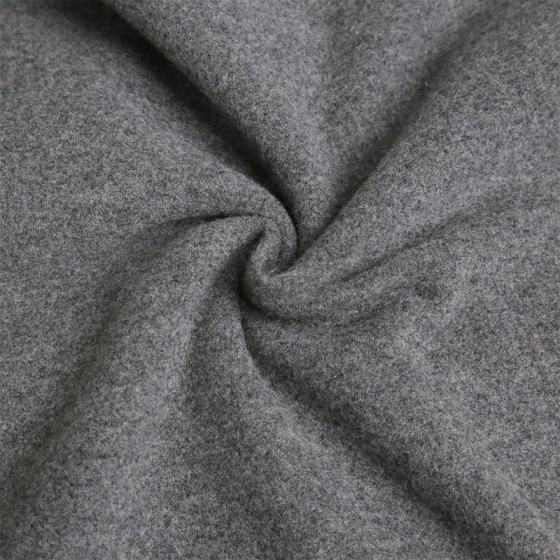
Wholesale fleece fabric buying guide: types, prices & sourcing tips
Complete 2026 guide to wholesale fleece fabric: compare GSM weights, MOQ requirements, tiered pricing, eco-certified rPET options, and project-based selection tips for apparel manufacturers and bulk buyers.
Sep 24,2026
Get in Touch
We sincerely wish to set up a long-term cooperative relationship with you. Welcome you to pay a visit to us.
Contact your comprehensive solution provider W&S immediately !
We produce fashionable fabrics and various men's and women's clothing, but we would prefer to see you collaborate with us.
Quick Link
Garment

Copyright © Nantong Wang and sheng Textile Co., Ltd. All Right Reserved.

Whatsapp: 8615996649800
Looking forward to your call
Tel: +86-15996649800
Looking forward to your call
Email: Nick.wang@ntwangsheng.com
Looking forward to your letter