Why Designers Love Digital Printed Fabric for Unique Creations
Release Time:
Oct 27,2025
Author:
Why Designers Love Digital Printed Fabric for Unique Creations
Table of Contents
- Introduction to Digital Printed Fabric
- The Evolution of Textile Printing Techniques
- Benefits of Digital Printed Fabric for Designers
- Versatility and Customization
- Sustainability and Eco-Friendliness
- Vibrant Colors and Intricate Designs
- Applications of Digital Printed Fabric in Fashion
- The Role of Technology in Digital Fabric Printing
- Challenges and Solutions in Digital Fabric Printing
- The Future of Digital Printed Fabric
- Conclusion
- FAQs
Introduction to Digital Printed Fabric
Digital printed fabric has taken the textile industry by storm, revolutionizing how designers create unique and innovative pieces. Unlike traditional printing methods, digital printing allows for a more intricate and precise application of designs directly onto fabric. This advancement not only enhances creativity but also provides a platform for sustainable practices, making it a favorite among modern designers.
The Evolution of Textile Printing Techniques
Textile printing has evolved significantly over the centuries. The journey began with block printing in ancient times, progressing through screen printing and rotary processes. Each method brought new levels of efficiency and creativity, but none compared to the impact of digital printing.
Digital printing emerged in the late 20th century, leveraging advanced technology to allow for high-resolution designs and faster production times. This innovation means designers can produce small runs of fabric with unique prints without the need for extensive setup and production costs. The flexibility of digital printing techniques has empowered designers to explore various styles and concepts without the limitations of traditional methods.
Benefits of Digital Printed Fabric for Designers
Digital printed fabric offers a multitude of benefits that make it an appealing choice for designers.
Versatility and Customization
One of the most significant advantages of digital printed fabric is its versatility. Designers can create custom prints tailored to their specific vision. Whether it’s bold geometric patterns, delicate florals, or even bespoke illustrations, digital printing accommodates a range of styles.
This customization extends to fabric types as well. Designers can choose from various textiles such as cotton, silk, polyester, and blends, allowing for further creativity in texture and finish.
Sustainability and Eco-Friendliness
In an era where consumer demand for sustainable practices is growing, digital printed fabric stands out as an eco-friendly option. The process requires significantly less water and energy compared to traditional dyeing methods. Furthermore, it minimizes waste since designs can be printed on demand, reducing the need for large inventories.
By opting for digital printing, designers not only meet consumer expectations for sustainability but also contribute positively to the environment, making it a win-win situation.
Vibrant Colors and Intricate Designs
Digital printing allows for an extensive color range that is hard to achieve with conventional methods. The incorporation of millions of colors and the ability to create gradients or blends adds depth and richness to designs. This capability encourages designers to experiment with intricate patterns and bold visuals, resulting in fabric that captivates the eye and sparks conversation.
Applications of Digital Printed Fabric in Fashion
Digital printed fabrics have found numerous applications in the fashion industry. From haute couture to ready-to-wear collections, designers are harnessing the power of digital printing to express their creativity.
Fashion shows now feature garments that showcase unique prints and designs, allowing designers to convey their artistic vision. The ability to produce small batches or even one-of-a-kind pieces is changing the retail landscape, enabling brands to offer personalized experiences to consumers.
Additionally, digital printing is not limited to clothing. Accessories such as bags, scarves, and home textiles also benefit from the vibrant and unique designs that can be achieved through this method.
The Role of Technology in Digital Fabric Printing
Advancements in technology play a crucial role in the effectiveness of digital printed fabric. High-resolution printers can produce stunning designs quickly, making it easier for designers to bring their ideas to life.
Innovations like inkjet printing technology have improved the color accuracy and vibrancy of prints, while eco-solvent inks have made the process more sustainable. Furthermore, software programs that facilitate design creation and color management contribute to the overall efficiency of the digital printing process.
Challenges and Solutions in Digital Fabric Printing
Despite its many advantages, digital printed fabric does face challenges. One significant issue is the initial investment in technology and equipment, which can be substantial for smaller designers. However, many companies offer printing services that allow designers to leverage digital printing without the overhead costs.
Another challenge is the need for specific fabric types that are compatible with digital printing. While advancements are being made, not all fabrics produce optimal results. Designers must carefully select materials to ensure their vision is accurately translated onto the final product.
The Future of Digital Printed Fabric
The future of digital printed fabric is bright as technology continues to evolve. Advances in printing technology promise even more vibrant colors, faster production times, and greater customization options. Additionally, as sustainability becomes a priority, innovations will likely focus on eco-friendly inks and fabrics, aligning with the growing consumer demand for responsible fashion choices.
Designers will continue to push the boundaries of creativity, using digital printing to explore new textures, patterns, and designs that resonate with consumers. The intersection of technology and artistry will pave the way for a new era in textile design.
Conclusion
Digital printed fabric has revolutionized the way designers approach their creative processes. With its versatility, sustainability, and capacity for intricate designs, it has become an essential tool in the modern fashion industry. As technology advances and the demand for unique, personalized experiences grows, digital printing will undoubtedly play a pivotal role in shaping the future of textile design.
FAQs
1. What is digital printed fabric?
Digital printed fabric is a textile printed using digital technology, which allows for high-resolution designs and vibrant colors to be printed directly onto the fabric.
2. How does digital printing compare to traditional printing methods?
Digital printing offers more customization, less water and energy consumption, and the ability to produce intricate designs compared to traditional methods.
3. Is digital printed fabric environmentally friendly?
Yes, digital printed fabric is generally considered more sustainable because it uses less water and energy, and minimizes waste due to on-demand printing.
4. What types of fabrics can be used for digital printing?
Digital printing can be applied to a variety of fabrics, including cotton, silk, polyester, and blends, allowing for diverse applications in fashion and textiles.
5. What are the challenges of digital fabric printing?
Challenges include high initial investment costs for equipment, the need for compatible fabrics, and ensuring quality control during the printing process. However, many solutions are available to address these issues.
In summary, the love for digital printed fabric among designers stems from its ability to foster creativity while adhering to sustainable practices. As the industry adapts to new technologies and consumer demands, digital printing will continue to play an integral role in crafting unique and compelling designs.
More Events

Bulk fleece fabric buying guide: types, weights, and where to order wholesale
A complete 2026 guide to buying bulk fleece fabric wholesale — covering GSM weight comparisons, fabric types, anti-pill specs, MOQ requirements, sustainability certifications, and how to choose the right fleece fabric supplier for your business.
Oct 09,2026
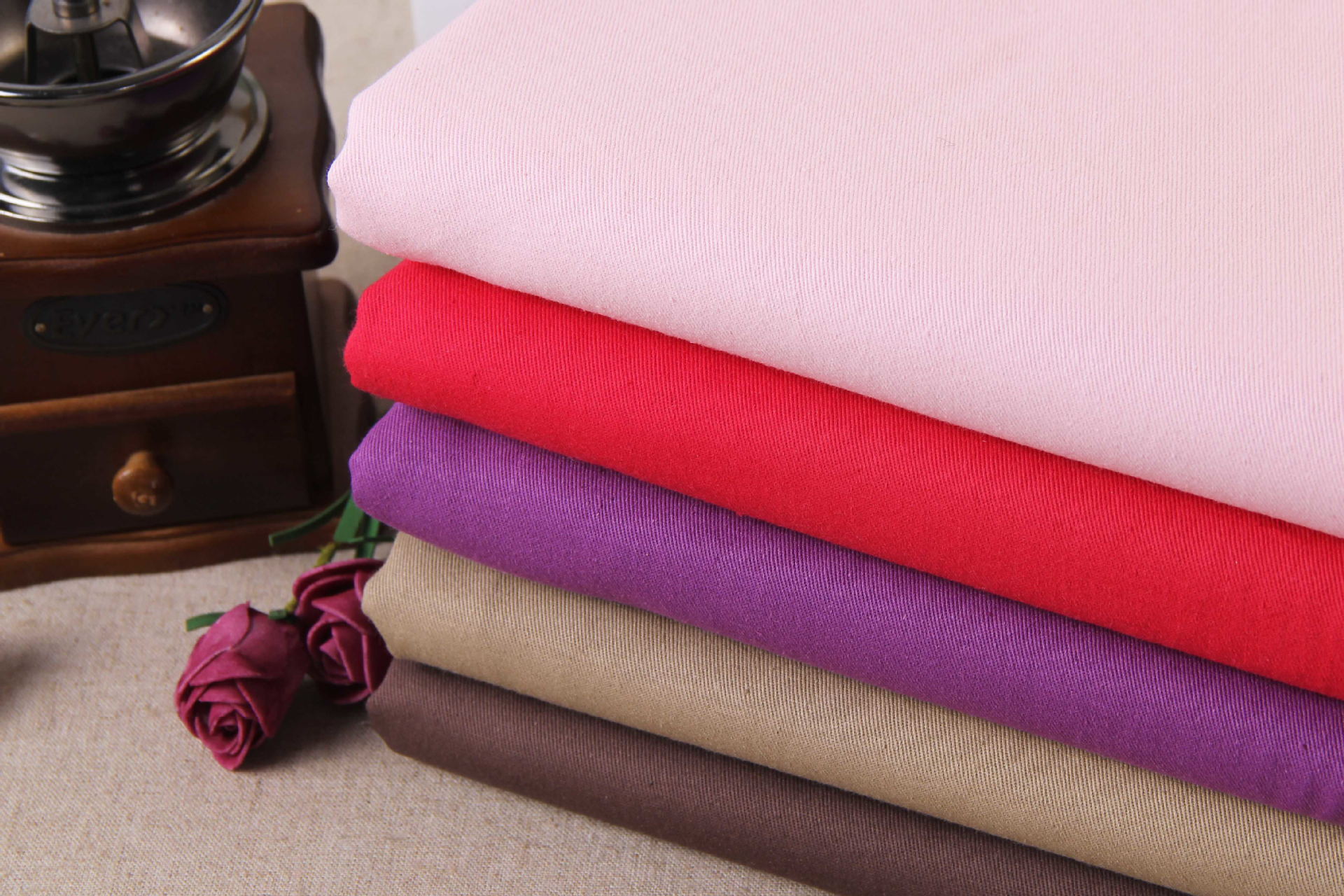
How to find reliable viscose fabric suppliers: a practical sourcing guide
Looking for reliable viscose fabric suppliers in 2026? This practical sourcing guide covers MOQ, certifications, and a ready-to-use RFQ checklist for procurement teams.
Sep 28,2026
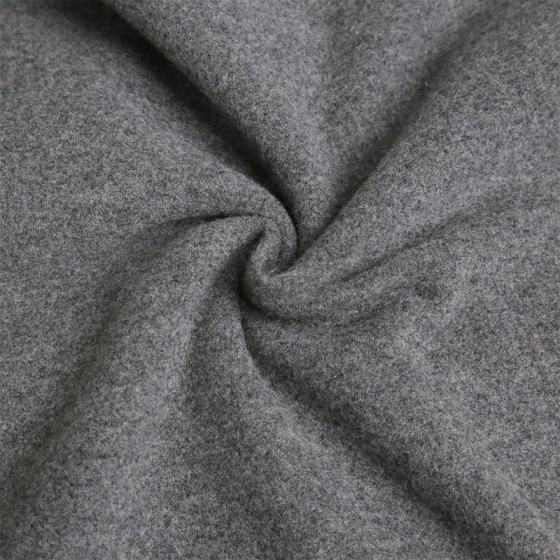
Wholesale fleece fabric buying guide: types, prices & sourcing tips
Complete 2026 guide to wholesale fleece fabric: compare GSM weights, MOQ requirements, tiered pricing, eco-certified rPET options, and project-based selection tips for apparel manufacturers and bulk buyers.
Sep 24,2026
Get in Touch
We sincerely wish to set up a long-term cooperative relationship with you. Welcome you to pay a visit to us.
Contact your comprehensive solution provider W&S immediately !
We produce fashionable fabrics and various men's and women's clothing, but we would prefer to see you collaborate with us.
Quick Link
Garment

Copyright © Nantong Wang and sheng Textile Co., Ltd. All Right Reserved.

Whatsapp: 8615996649800
Looking forward to your call
Tel: +86-15996649800
Looking forward to your call
Email: Nick.wang@ntwangsheng.com
Looking forward to your letter