The Art of Dyeing: Traditional vs. Modern Methods for Cotton Fabric
Release Time:
Nov 10,2025
Author:
The Art of Dyeing: Traditional vs. Modern Methods for Cotton Fabric
The captivating process of dyeing cotton fabric has evolved significantly over the centuries. From ancient techniques utilizing natural dyes to the innovative synthetic methods of today, each approach brings a unique flavor to the textile world. Understanding the differences between traditional and modern dyeing methods can help consumers and manufacturers alike make informed decisions about their fabric choices. In this article, we will delve into the various techniques, their histories, advantages, and drawbacks, as well as their applications in contemporary textile production.
Table of Contents
- 1. History of Dyeing Cotton Fabric
- 2. Traditional Dyeing Methods
- 3. Natural Dyes and Their Sources
- 4. Modern Dyeing Techniques
- 5. Synthetic Dyes and Their Advantages
- 6. Environmental Impact of Dyeing Processes
- 7. Sustainability in Textile Dyeing
- 8. The Future of Dyeing Techniques
- 9. Conclusion
- 10. FAQs
1. History of Dyeing Cotton Fabric
The history of dyeing cotton fabric dates back thousands of years. Ancient civilizations, such as those in Egypt, India, and China, developed their own dyeing techniques, often using the resources available to them in their environment. The earliest dyes were derived from plants, insects, and minerals, leading to a rich tapestry of colors and patterns.
As trade routes expanded, so did the availability of different dyes. The introduction of indigo, for example, revolutionized dyeing practices in many cultures, becoming a staple for producing deep blue hues. By the 19th century, with the advent of the Industrial Revolution, the textile industry saw a shift towards more efficient and reproducible dyeing methods, culminating in the development of synthetic dyes.
2. Traditional Dyeing Methods
Traditional dyeing methods emphasize craftsmanship and often involve labor-intensive processes. These techniques are deeply rooted in cultural practices and often produce unique, artisanal fabrics. The following are some of the most prominent traditional dyeing methods used for cotton fabric:
2.1 Batik
Batik is an ancient Indonesian technique that employs a wax-resist dyeing process. The fabric is first coated with wax, which prevents dye from penetrating the areas covered. After dyeing, the wax is removed, revealing intricate patterns. This method allows for vibrant, multicolored designs and is celebrated for its artistic expression.
2.2 Tie-Dye
Tie-dye, popularized during the 1960s and 70s, involves tying sections of fabric with string or rubber bands before dyeing. The tied areas resist dye, resulting in unique patterns. This method has ancient origins in various cultures, including Japanese Shibori and Indian Bandhani techniques, showcasing a rich history of creativity.
2.3 Indigo Dyeing
Indigo dyeing is one of the most ancient and widely used methods for achieving rich blue tones. The process involves fermenting indigo leaves to create a dye bath. Techniques such as dip-dyeing and resist dyeing create stunning variations and patterns. Indigo has cultural significance in many societies, symbolizing wealth and protection.
3. Natural Dyes and Their Sources
Natural dyes are derived from plants, minerals, and insects, offering a sustainable alternative to synthetic dyes. Common sources include:
- Plant-Based Dyes: Derived from leaves, roots, and flowers, these dyes can produce a wide range of colors. Examples include madder root for red and turmeric for yellow.
- Insect-Based Dyes: Cochineal, a scale insect, produces vibrant reds and is a historical favorite in textile dyeing.
- Mineral Dyes: Certain minerals provide colors such as ochre for yellows and browns, offering a unique palette.
While natural dyes are often praised for their sustainability and aesthetic qualities, they may require more time and expertise to achieve consistent results compared to synthetic counterparts.
4. Modern Dyeing Techniques
Modern dyeing techniques leverage technology to create more efficient and consistent results. These methods are often characterized by precision and speed, catering to the demands of mass production. Some notable modern dyeing techniques include:
4.1 Digital Printing
Digital printing involves applying ink directly onto fabric using specialized printers. This technique allows for high-resolution designs and is ideal for short runs of customized fabrics. Digital printing reduces waste, as only the required amount of dye is used, aligning with sustainable practices.
4.2 Reactive Dyeing
Reactive dyeing involves the chemical reaction between the dye and the fiber, producing vibrant colors that are wash-fast and light-fast. This method is commonly used for cotton fabrics, providing a wide range of color options.
4.3 Continuous Dyeing
This method involves passing fabric through dye baths in a continuous process, allowing for high efficiency and uniformity. Continuous dyeing is ideal for large-scale production and is often used in commercial textiles.
5. Synthetic Dyes and Their Advantages
Synthetic dyes have transformed the dyeing process, offering numerous advantages over traditional methods:
- Color Variety: Synthetic dyes provide a broader spectrum of colors and shades, allowing designers to explore new palettes.
- Consistency: The reproducibility of synthetic dyes ensures that colors remain consistent across large batches of fabric.
- Cost-Effectiveness: Generally, synthetic dyes are less expensive and require less time to produce than natural dyes.
However, it is crucial to note the environmental concerns associated with synthetic dyes, including water pollution and chemical waste.
6. Environmental Impact of Dyeing Processes
The dyeing process, whether traditional or modern, has a significant environmental impact. Water pollution from dyes and chemicals is a pressing concern in the textile industry. Traditional methods, while often more environmentally friendly, can still contribute to water usage and waste.
Modern techniques, particularly those using synthetic dyes, face scrutiny due to the toxic chemicals involved. However, advancements in technology are leading to more eco-friendly practices, including closed-loop systems that minimize wastewater and innovative dyeing methods that require less water.
7. Sustainability in Textile Dyeing
Sustainability has become a focal point in the textile industry. As consumers increasingly demand eco-conscious products, manufacturers are seeking ways to incorporate sustainable practices into their dyeing processes. Strategies include:
- Natural Dyes: Utilizing renewable resources and biodegradable materials can reduce environmental harm.
- Water Management: Implementing water-saving technologies and recycling water used in dyeing processes can significantly decrease waste.
- Eco-friendly Dyes: Research into less harmful synthetic dyes and non-toxic alternatives is ongoing, promoting safer practices in textile production.
8. The Future of Dyeing Techniques
The future of dyeing techniques is poised for innovation. As the industry continues to grow, we can expect:
- Biotechnology: Advances in genetic engineering may lead to the development of fibers that absorb dyes more effectively, reducing the amount needed.
- Smart Textiles: Integration of technology into fabrics could lead to textiles that change color based on environmental conditions or user preferences.
- Recycling and Circular Fashion: The push for a circular economy in fashion will encourage methods that allow for the recycling of dyed fabrics.
9. Conclusion
The art of dyeing cotton fabric is a blend of tradition and innovation. While traditional methods celebrate cultural heritage and craftsmanship, modern techniques offer efficiency and versatility. As the textile industry continues to evolve, the focus on sustainability and environmental impact will become increasingly important. By understanding the different dyeing methods available, consumers and manufacturers can make informed choices that align with their values and the demands of the market.
10. FAQs
1. What are the main differences between traditional and modern dyeing methods?
Traditional dyeing methods often involve natural dyes and artisanal techniques, while modern methods utilize synthetic dyes and advanced technology for efficiency and consistency.
2. Are natural dyes better for the environment?
While natural dyes are generally considered more eco-friendly, they still require resources and may produce waste. Sustainable practices can be applied to both natural and synthetic dyeing processes.
3. Can synthetic dyes harm the environment?
Yes, synthetic dyes can contribute to water pollution and chemical waste; however, advancements in technology are leading to more eco-friendly practices in their application.
4. What is the role of innovation in dyeing techniques?
Innovation is driving the development of sustainable practices, smart textiles, and biotechnology, which aim to reduce waste and improve the dyeing process.
5. How can consumers contribute to sustainable dyeing practices?
Consumers can support sustainable dyeing practices by choosing organic or naturally dyed fabrics, recycling textiles, and advocating for eco-friendly production methods.
In summary, the interplay between traditional and modern dyeing methods creates a rich landscape for the textile industry. By embracing both approaches, we can appreciate the artistry involved in fabric creation while also working towards a more sustainable future.
More Events

Bulk fleece fabric buying guide: types, weights, and where to order wholesale
A complete 2026 guide to buying bulk fleece fabric wholesale — covering GSM weight comparisons, fabric types, anti-pill specs, MOQ requirements, sustainability certifications, and how to choose the right fleece fabric supplier for your business.
Oct 09,2026
How to find reliable viscose fabric suppliers: a practical sourcing guide
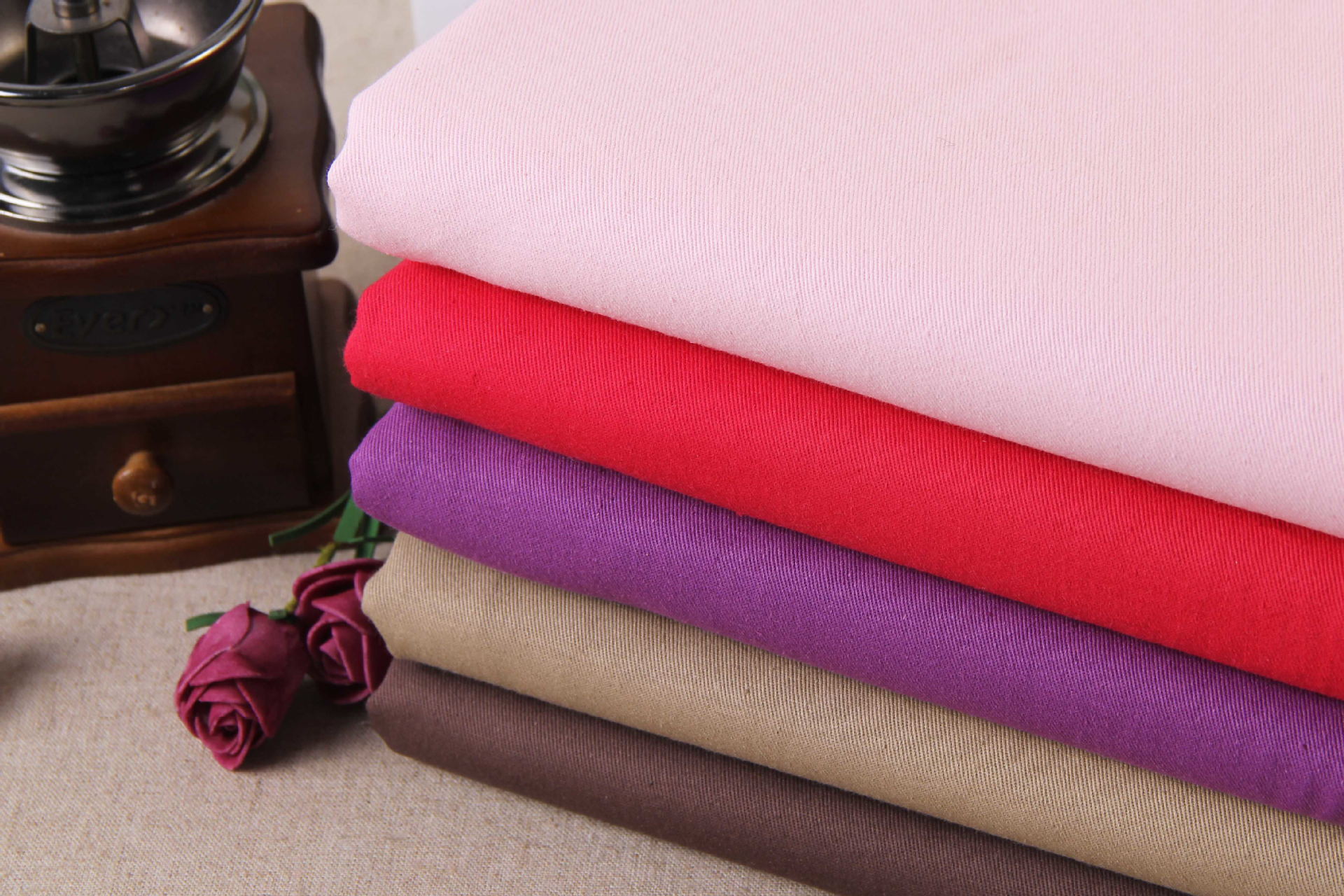
Looking for reliable viscose fabric suppliers in 2026? This practical sourcing guide covers MOQ, certifications, and a ready-to-use RFQ checklist for procurement teams.
Sep 28,2026
Wholesale fleece fabric buying guide: types, prices & sourcing tips
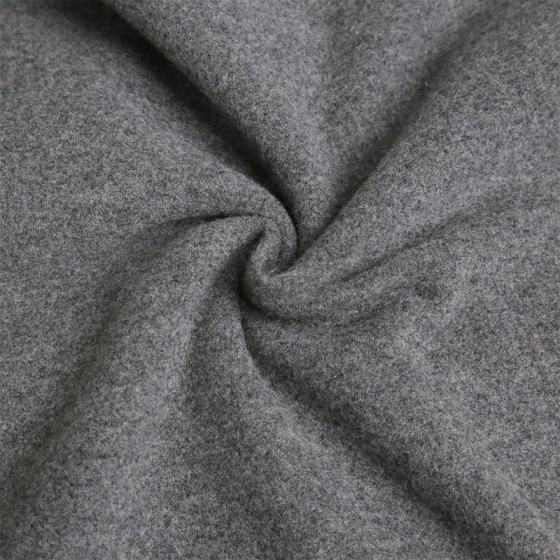
Complete 2026 guide to wholesale fleece fabric: compare GSM weights, MOQ requirements, tiered pricing, eco-certified rPET options, and project-based selection tips for apparel manufacturers and bulk buyers.
Sep 24,2026
Get in Touch
We sincerely wish to set up a long-term cooperative relationship with you. Welcome you to pay a visit to us.
Contact your comprehensive solution provider W&S immediately !
We produce fashionable fabrics and various men's and women's clothing, but we would prefer to see you collaborate with us.
Quick Link
Garment

Copyright © Nantong Wang and sheng Textile Co., Ltd. All Right Reserved.

Whatsapp: 8615996649800
Looking forward to your call
Tel: +86-15996649800
Looking forward to your call
Email: Nick.wang@ntwangsheng.com
Looking forward to your letter