
Choosing Between Different Types of Printed Cloth Fabric: A Comprehensive Guide
Release Time:
Nov 14,2025
Author:
Choosing Between Different Types of Printed Cloth Fabric: A Comprehensive Guide
Table of Contents
- Understanding Printed Fabric: An Overview
- Types of Printed Fabrics
- Key Characteristics of Printed Fabrics
- Choosing the Right Printed Fabric for Your Project
- Applications of Printed Fabrics
- The Future of Printed Fabric Technology
- Frequently Asked Questions (FAQs)
Understanding Printed Fabric: An Overview
Printed fabrics are textiles that have designs or patterns applied to their surfaces. This process transforms ordinary fabric into something unique and visually appealing. The methods of printing can greatly influence the fabric's texture, durability, and overall appearance. In this section, we will explore various printing techniques and how they affect the final product.
Types of Printed Fabrics
There are numerous methods for printing on fabric, each with its own unique characteristics. Understanding these methods will help you choose the right printed fabric for your needs.
Screen Printing
Screen printing is one of the oldest and most popular methods of fabric printing. It involves pushing ink through a mesh screen onto the fabric. This method is ideal for large batches of fabric with simple designs. The durability of screen-printed fabrics is remarkable, making it a favorite in the fashion industry.
Digital Printing
Digital printing utilizes inkjet technology to print designs directly onto fabric. This method allows for intricate designs and a wide range of colors, making it perfect for custom orders. Digital printing is gaining popularity due to its eco-friendliness and the ability to create small batches without incurring high costs.
Block Printing
Block printing is a traditional method that involves carving a design onto a wooden block, which is then dipped in ink and pressed onto the fabric. This technique produces unique, handcrafted designs and is often used for artisanal textiles. The charm of block printing lies in its imperfections, giving each piece a one-of-a-kind appeal.
Sublimation Printing
Sublimation printing is a process that uses heat to transfer dye onto fabric. This method is primarily used for polyester fabrics and produces vibrant, long-lasting colors. Sublimation is ideal for all-over prints and is often used in sportswear and promotional items.
Heat Transfer Printing
Heat transfer printing involves printing a design onto a special transfer paper and then applying heat to transfer the design onto the fabric. This method is versatile and can be used on various materials, making it suitable for custom apparel and promotional items.
Key Characteristics of Printed Fabrics
When choosing a printed fabric, it's essential to understand its characteristics. These factors can influence your choice based on the intended use of the fabric.
Fabric Weight
Fabric weight refers to the thickness of the material and can significantly impact the drape and feel of the finished product. Lightweight fabrics are ideal for garments like blouses and dresses, while heavier fabrics are better suited for items like curtains or upholstery.
Texture and Feel
The texture of a printed fabric can vary from smooth to coarse. Fabrics with a soft feel are often more comfortable against the skin and are preferred for clothing. In contrast, rough textures might be better for home décor items.
Color Fastness
Color fastness is crucial when selecting printed fabrics, as it determines how well the colors hold up under various conditions, such as washing or exposure to sunlight. Fabrics with high color fastness will maintain their vibrancy longer, making them an excellent choice for items that will be frequently used.
Choosing the Right Printed Fabric for Your Project
Selecting the perfect printed fabric requires consideration of various factors, including the nature of your project, care instructions, and the intended use of the fabric.
Consider the Type of Project
The type of project you are working on will greatly influence your fabric choice. For example, if you're creating a summer dress, lightweight cotton or linen with a fun print would be ideal. On the other hand, if you're designing a tote bag, a heavier fabric with a durable print would be more appropriate.
Care Instructions and Durability
When selecting printed fabric, consider how much wear and tear it will endure. Fabrics that require special care may not be suitable for everyday items. Always check the care instructions to ensure the fabric aligns with your maintenance capabilities.
Understanding Color Fastness
As previously mentioned, color fastness is a vital aspect to consider. If your printed fabric will be exposed to sunlight or frequent washing, opt for fabrics known for their color stability. This will ensure that your items maintain their aesthetic appeal over time.
Applications of Printed Fabrics
Printed fabrics have a wide range of applications across various industries. Understanding these applications can help you identify the best fabric for your needs.
Printed Fabrics in the Fashion Industry
The fashion industry is perhaps the most notable user of printed fabrics. Designers frequently incorporate unique prints into their collections to create statement pieces. From dresses to shirts, printed fabrics allow for creativity and expression in fashion.
Home Décor and Printed Fabrics
In addition to clothing, printed fabrics are widely used in home décor. They can be found in curtains, cushions, and upholstery, adding a personalized touch to living spaces. The versatility of printed fabrics makes them an excellent choice for enhancing home aesthetics.
The Future of Printed Fabric Technology
As technology advances, the world of printed fabrics continues to evolve. Innovations such as eco-friendly inks and sustainable fabric options are becoming more prevalent. The future of printed fabrics looks promising, with an emphasis on sustainability and customization.
Frequently Asked Questions (FAQs)
1. What is the difference between screen printing and digital printing?
Screen printing involves pushing ink through a mesh screen, making it ideal for large batches with simple designs. Digital printing, on the other hand, uses inkjet technology to print intricate designs directly onto fabric, making it suitable for custom orders.
2. How do I choose the right printed fabric for clothing?
Consider the type of garment you are making, the weight and texture of the fabric, and care instructions. Lightweight fabrics are typically best for summer clothing, while heavier fabrics work well for outerwear.
3. What are the best printed fabrics for home décor?
Cotton, linen, and canvas are popular choices for home décor due to their durability and ease of care. Look for printed fabrics that complement your existing color scheme and style.
4. Can I wash printed fabrics in a washing machine?
It depends on the fabric and printing method. Always check the care instructions. Many printed fabrics can be machine washed, but some may require delicate handling.
5. Are there eco-friendly options for printed fabrics?
Yes, many manufacturers now offer eco-friendly printed fabrics made from sustainable materials and using environmentally friendly inks. Look for certifications indicating sustainability.
Conclusion
Choosing the right printed cloth fabric is an essential step in any textile project. By understanding the various types of printed fabrics, their characteristics, and their applications, we can make informed decisions that suit our specific needs. Whether you’re venturing into fashion design or looking to spruce up your home décor, the wealth of options available ensures that there is a perfect printed fabric waiting for you. Stay informed, consider your project requirements, and embrace the beauty and creativity that printed fabrics bring to the world of textiles.
More Events

Bulk fleece fabric buying guide: types, weights, and where to order wholesale
A complete 2026 guide to buying bulk fleece fabric wholesale — covering GSM weight comparisons, fabric types, anti-pill specs, MOQ requirements, sustainability certifications, and how to choose the right fleece fabric supplier for your business.
Oct 09,2026
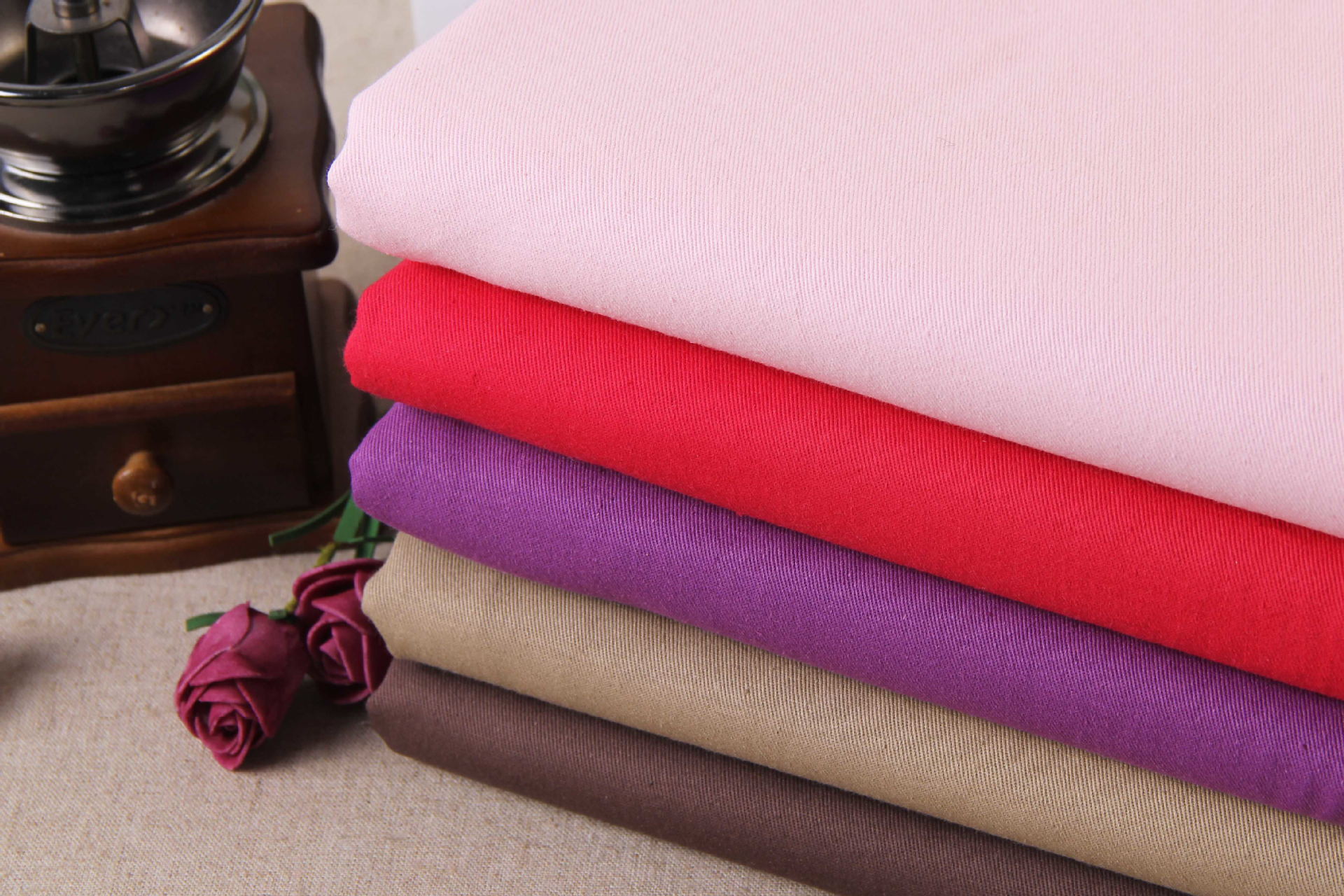
How to find reliable viscose fabric suppliers: a practical sourcing guide
Looking for reliable viscose fabric suppliers in 2026? This practical sourcing guide covers MOQ, certifications, and a ready-to-use RFQ checklist for procurement teams.
Sep 28,2026
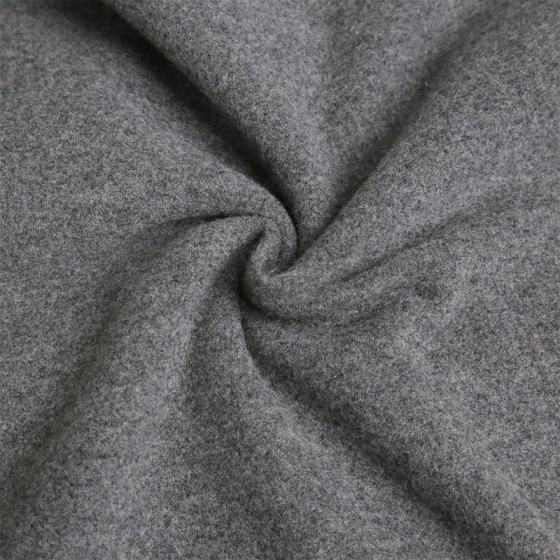
Wholesale fleece fabric buying guide: types, prices & sourcing tips
Complete 2026 guide to wholesale fleece fabric: compare GSM weights, MOQ requirements, tiered pricing, eco-certified rPET options, and project-based selection tips for apparel manufacturers and bulk buyers.
Sep 24,2026
Get in Touch
We sincerely wish to set up a long-term cooperative relationship with you. Welcome you to pay a visit to us.
Contact your comprehensive solution provider W&S immediately !
We produce fashionable fabrics and various men's and women's clothing, but we would prefer to see you collaborate with us.
Quick Link
Garment

Copyright © Nantong Wang and sheng Textile Co., Ltd. All Right Reserved.

Whatsapp: 8615996649800
Looking forward to your call
Tel: +86-15996649800
Looking forward to your call
Email: Nick.wang@ntwangsheng.com
Looking forward to your letter