The Versatility of Digital Printed Fabric in Various Industries
Release Time:
Nov 16,2025
Author:
The Versatility of Digital Printed Fabric in Various Industries
Table of Contents
1. Introduction to Digital Printed Fabric
2. How Digital Printing Works
3. Applications of Digital Printed Fabric in the Fashion Industry
3.1 Customization and Personalization
3.2 Short Run Production
4. The Role of Digital Printed Fabric in Home Décor
4.1 Unique Interior Design Solutions
4.2 Eco-Friendly Options
5. Industrial Applications of Digital Printed Fabric
5.1 Automotive Textiles
5.2 Medical Textiles
6. Advantages of Digital Printed Fabric
7. Future Trends in Digital Printing Technology
8. Frequently Asked Questions (FAQs)
9. Conclusion
1. Introduction to Digital Printed Fabric
Digital printed fabric represents a revolutionary shift in the textile industry, merging technology with creativity. Unlike traditional printing methods that often rely on screens and stencils, digital printing uses modern inkjet technology to directly apply designs onto fabric. This method not only enhances the quality of prints but also broadens the scope of design possibilities. With the increasing demand for personalized and unique products, the significance of digital printed fabric continues to grow across various industries.
2. How Digital Printing Works
Digital printing technology operates by transferring digital files into physical patterns on fabric. High-resolution images are processed through specialized software, which then guides inkjet printers to apply ink directly to the textile surface. The inks used (often water-based) are designed to penetrate the fabric, resulting in vibrant, long-lasting prints. This method allows for intricate designs, multiple colors, and gradients, creating stunning visuals that meet the demands of modern consumers.
3. Applications of Digital Printed Fabric in the Fashion Industry
The fashion industry is one of the primary sectors benefiting from digital printed fabric. The versatility and efficiency of this technology have transformed how designers create and manufacture clothing.
3.1 Customization and Personalization
In today's fast-paced fashion market, consumers increasingly desire unique and personalized pieces. Digital printed fabric allows designers to create custom designs that cater to individual tastes. This capability not only enhances customer satisfaction but also fosters brand loyalty as consumers feel more connected to bespoke items.
3.2 Short Run Production
Digital printing significantly reduces the setup time and cost associated with traditional screen printing, enabling short run production. This flexibility allows brands to respond quickly to trends without the risk of overproduction. Consequently, designers can experiment with various styles, enhancing creativity and innovation.
4. The Role of Digital Printed Fabric in Home Décor
Home décor is another area where digital printed fabric is making a significant impact. From upholstery to curtains, the possibilities are endless.
4.1 Unique Interior Design Solutions
Digital printed fabric opens the door to unique design solutions for home interiors. Designers can create customized patterns and imagery that reflect individual styles, ensuring that each space embodies the homeowner’s personality. This customization enhances the aesthetic appeal of living spaces, making them more inviting and personalized.
4.2 Eco-Friendly Options
Sustainability is a growing concern in the home décor industry, and digital printing offers eco-friendly solutions. Many digital inks are water-based and less harmful to the environment compared to traditional inks. Additionally, the ability to print on demand reduces waste, aligning with the values of environmentally conscious consumers.
5. Industrial Applications of Digital Printed Fabric
The versatility of digital printed fabric extends beyond fashion and home décor. Various industries leverage this technology for functional applications.
5.1 Automotive Textiles
In the automotive sector, digital printed fabric is increasingly used for vehicle interiors. Custom graphics and upholstery designs can be produced to enhance the aesthetic appeal of cars. This not only elevates the consumer experience but also allows manufacturers to differentiate their products in a competitive market.
5.2 Medical Textiles
The medical field has also begun to utilize digital printed fabric in various applications, including hospital linens and uniforms. The ability to create custom designs aids in branding while also allowing for the incorporation of antimicrobial properties into the fabric, contributing to hygiene and safety in healthcare settings.
6. Advantages of Digital Printed Fabric
Digital printed fabric offers numerous advantages that contribute to its growing popularity in multiple industries.
- **Vibrancy and Detail**: The high-resolution capabilities of digital printing result in vibrant colors and intricate designs that are often unattainable through traditional printing methods.
- **Cost-Effectiveness**: With the elimination of screens and plates, digital printing reduces both setup costs and production time, making it an economical choice for businesses.
- **Flexibility and Speed**: Digital printing allows for rapid prototyping and short run production, enabling brands to respond quickly to market changes and consumer demands.
- **Sustainability**: With eco-friendly inks and minimal waste, digital printed fabric aligns with the sustainability goals of many modern consumers and businesses.
7. Future Trends in Digital Printing Technology
As technology advances, the future of digital printed fabric looks promising.
- **Increased Customization**: The rise of 3D printing and augmented reality (AR) technology will further enhance customization options, allowing consumers to visualize and create their designs before production.
- **Sustainable Innovations**: Continuous development in eco-friendly inks and processes will lead to even more sustainable practices within the industry.
- **Integration with E-commerce**: As e-commerce continues to dominate retail, digital printed fabric will be integral in providing personalized shopping experiences, with companies offering on-demand printing capabilities directly to consumers.
8. Frequently Asked Questions (FAQs)
What is digital printed fabric?
Digital printed fabric is textile material that has been printed using digital inkjet technology, allowing for high-quality images and intricate designs.
What industries use digital printed fabric?
Digital printed fabric is widely used in fashion, home décor, automotive, medical textiles, and various industrial applications.
What are the benefits of digital printing over traditional methods?
Digital printing offers advantages like high vibrancy, cost-effectiveness, flexibility, speed, and sustainability compared to traditional methods.
Is digital printed fabric environmentally friendly?
Yes, many digital inks are water-based and less harmful to the environment, and the technology reduces waste through on-demand production.
Can digital printed fabric be customized?
Absolutely! Digital printing allows for extensive customization and personalization, enabling unique designs tailored to individual preferences.
9. Conclusion
Digital printed fabric has emerged as a powerful tool in various industries, revolutionizing the way textiles are designed, produced, and utilized. Its versatility offers limitless possibilities, enabling businesses to cater to the demands of modern consumers who value personalization, sustainability, and creativity. As technology continues to advance, the scope and applications of digital printed fabric will undoubtedly expand, further solidifying its importance in the textile landscape. Embracing this innovation not only enhances brand value but also contributes to a more sustainable future in fabric production.
More Events

Bulk fleece fabric buying guide: types, weights, and where to order wholesale
A complete 2026 guide to buying bulk fleece fabric wholesale — covering GSM weight comparisons, fabric types, anti-pill specs, MOQ requirements, sustainability certifications, and how to choose the right fleece fabric supplier for your business.
Oct 09,2026
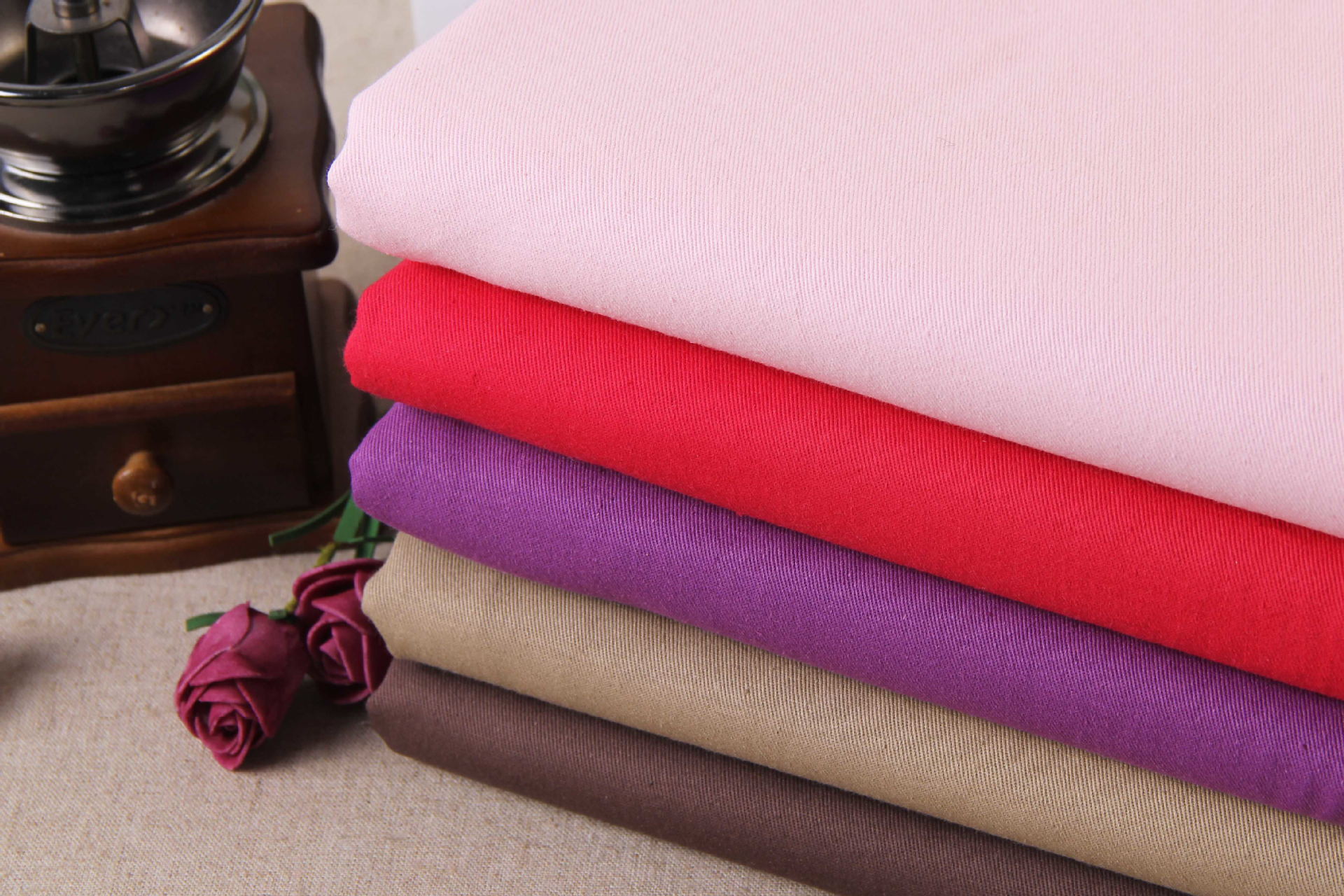
How to find reliable viscose fabric suppliers: a practical sourcing guide
Looking for reliable viscose fabric suppliers in 2026? This practical sourcing guide covers MOQ, certifications, and a ready-to-use RFQ checklist for procurement teams.
Sep 28,2026
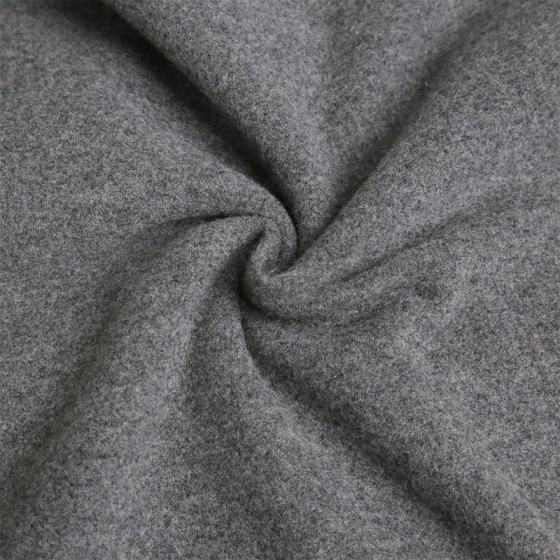
Wholesale fleece fabric buying guide: types, prices & sourcing tips
Complete 2026 guide to wholesale fleece fabric: compare GSM weights, MOQ requirements, tiered pricing, eco-certified rPET options, and project-based selection tips for apparel manufacturers and bulk buyers.
Sep 24,2026
Get in Touch
We sincerely wish to set up a long-term cooperative relationship with you. Welcome you to pay a visit to us.
Contact your comprehensive solution provider W&S immediately !
We produce fashionable fabrics and various men's and women's clothing, but we would prefer to see you collaborate with us.
Quick Link
Garment

Copyright © Nantong Wang and sheng Textile Co., Ltd. All Right Reserved.

Whatsapp: 8615996649800
Looking forward to your call
Tel: +86-15996649800
Looking forward to your call
Email: Nick.wang@ntwangsheng.com
Looking forward to your letter