
Exploring Natural Dyes for Cotton Dyed Fabric: A Comprehensive Guide to Sustainable Coloring Techniques
Nov 20,2025
Exploring Natural Dyes for Cotton Dyed Fabric
In a world increasingly concerned with sustainability and eco-friendliness, the textile industry is undergoing a significant transformation. One area where this change is palpable is in the use of natural dyes for cotton dyed fabric. This comprehensive guide will delve into the history, benefits, techniques, and modern applications of natural dyes, ensuring you are well-equipped to explore this vibrant realm of color.
The Rich History of Natural Dyes
Natural dyes have been employed for millennia, originating from plants, minerals, and insects. Ancient civilizations, including the Egyptians, Greeks, and Indians, used these organic materials to dye textiles, creating intricate designs that have stood the test of time. As industrialization took hold, synthetic dyes became prevalent, overshadowing the traditional methods of dyeing. However, a resurgence of interest in sustainable practices has sparked a renewed appreciation for natural dyes, particularly in the realm of cotton textiles.
The Science Behind Natural Dyes
Natural dyes derive their colors from various sources, including:
- Plants: Many plants contain pigments in their leaves, roots, flowers, and fruits. For instance, indigo is sourced from the leaves of the indigo plant, while madder root produces a rich red hue.
- Minerals: Certain minerals can yield unique colors. For example, ochre provides earthy tones, while iron can create darker shades.
- Insects: Cochineal, derived from the cochineal insect, produces vibrant reds. This technique was historically significant for its value in trade.
The color extracted from these organic materials interacts with the cellulose fibers in cotton, allowing for vibrant and lasting hues. Understanding the chemistry of these dyes is essential for achieving the desired results.
Benefits of Using Natural Dyes on Cotton Fabrics
Natural dyes offer a multitude of benefits that make them an appealing choice for textile artists and consumers alike:
1. Eco-Friendly and Sustainable
One of the most significant advantages of natural dyes is their minimal environmental impact. Unlike synthetic dyes, which often contain harmful chemicals, natural dyes are biodegradable and derived from renewable resources. This reduces pollution and promotes a sustainable approach to dyeing.
2. Unique and Vibrant Colors
Natural dyes produce a wide array of colors, often with complex tones that are difficult to replicate with synthetic dyes. The color variations depend on factors such as the source material, dyeing technique, and even the water used in the process. This uniqueness adds character to each piece of dyed cotton fabric.
3. Health Benefits
Natural dyes are generally safer for both the artisans using them and the end consumers. Many synthetic dyes contain toxic substances that can cause skin irritation or allergic reactions. In contrast, natural dyes, when sourced correctly, are less harmful and more suitable for sensitive skin.
Techniques for Dyeing Cotton with Natural Dyes
To achieve successful results when dyeing cotton fabrics with natural dyes, several techniques must be mastered:
Preparation of Cotton Fabric
Before dyeing, cotton fabric should be thoroughly washed to remove any residues or finishes that could hinder dye absorption. Using a mild detergent and rinsing thoroughly ensures that the fabric is clean and ready to absorb the dye effectively.
Mordanting: The Key to Colorfastness
Mordanting is a crucial step in the dyeing process, as it helps fix the dye to the fabric, enhancing colorfastness. Common mordants include:
- Alum: A widely used mordant that is safe and produces bright colors.
- Tannins: Extracted from plants like oak and sumac, tannins can help improve the dye's adherence to the fabric.
- Iron: Often used for darkening colors and adding depth.
Each mordant has its unique properties, influencing the final color outcome, so experimenting with different mordants is essential for achieving desired effects.
Dye Extraction Methods
Extracting dye from natural sources can be done in several ways:
- Boiling: This method involves simmering the plant material in water to extract the pigment. The resulting liquid is then used for dyeing.
- Cold Dyeing: Some dyes can be extracted at room temperature, allowing for a gentler approach that may better preserve the integrity of the plant material.
Dyeing Techniques
There are various techniques for applying natural dyes to cotton, including:
- Immersion Dyeing: The fabric is submerged in the dye bath, allowing the fibers to absorb color evenly.
- Shibori: A Japanese tie-dye technique that involves folding, twisting, or bunching the fabric before dyeing to create intricate patterns.
- Block Printing: Applying dye using carved blocks allows for detailed designs and motifs.
Modern Applications of Natural Dyes in Cotton Fabrics
As consumer awareness of sustainability grows, the demand for cotton dyed with natural dyes is on the rise. Various industries are embracing this trend:
Fashion Industry
Many designers are implementing natural dyes to create stylish, eco-friendly clothing collections. The unique colors and textures derived from natural sources appeal to consumers seeking individuality and authenticity.
Home Textiles
Natural dyes are also finding their way into home decor. From curtains to upholstery, the use of organic dyes enhances the aesthetic appeal while aligning with sustainable practices.
Artisan Crafts
Textile artists are reimagining traditional dyeing techniques, incorporating natural dyes into their work. This revival preserves cultural heritage while promoting environmental responsibility.
Challenges in Using Natural Dyes
While the benefits of natural dyes are significant, there are challenges that practitioners may face:
Consistency in Color
Achieving consistent color can be difficult due to variations in natural materials, environmental factors, and dyeing techniques. Careful documentation and experimentation can help mitigate these inconsistencies.
Limited Color Palette
Natural dyes may have a narrower range of colors compared to synthetic options. However, by blending dyes or using different mordants, artisans can expand their color palette significantly.
Frequently Asked Questions (FAQs)
1. Are natural dyes safe for skin contact?
Yes, natural dyes are generally safer for skin contact compared to synthetic dyes. However, it’s essential to ensure that the materials used are properly sourced and processed.
2. How can I fix the color on cotton dyed with natural dyes?
Mordanting the fabric before dyeing is crucial for fixing the color. Using the correct mordant will enhance colorfastness and prevent fading.
3. Can natural dyes be used for all types of fabrics?
Natural dyes work best with natural fibers like cotton, wool, and silk. Synthetic fibers may not absorb the dyes as effectively.
4. How do I care for cotton dyed with natural dyes?
To maintain the vibrancy of colors, wash the fabric in cold water with mild detergents, avoiding bleach or harsh chemicals.
5. Where can I find natural dye sources?
Natural dyes can often be found at local craft stores, online retailers, or even extracted from plants in your garden. Many resources are available for learning how to grow and harvest your dye materials.
Conclusion
Exploring natural dyes for cotton dyed fabric not only opens up a world of vibrant colors and unique patterns but also supports sustainable practices in the textile industry. By understanding the history, benefits, and techniques involved in natural dyeing, we can appreciate the artistry behind each piece of fabric. As the demand for eco-friendly products continues to rise, the use of natural dyes will likely become an essential aspect of textile production, paving the way for a more sustainable future. Embracing this age-old craft allows us to honor traditions while innovating for the future, creating textiles that are both beautiful and responsible.
More Events
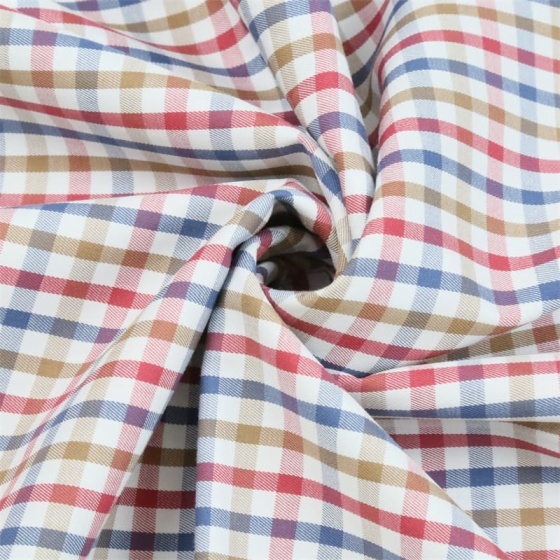
Understanding Cotton Dyed Fabric: A Comprehensive Guide to Textile Dyeing
Cotton dyed fabric is a cornerstone in the textile industry, especially within the realm of dyeing and weaving. The process of dyeing cotton fabric involves applying colorants to cotton fibers, resulting in a wide variety of hues and patterns that enhance the fabric's aesthetic appeal. This technique not only elevates the visual qualities of the fabric but also plays a crucial role in the overall
Dec 05,2025
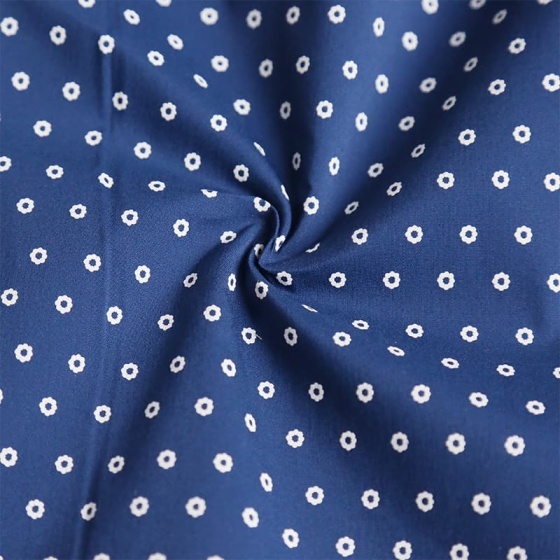
How to Effectively Market Products Made from Printed Cloth Fabric: A Comprehensive Guide
How to Effectively Market Products Made from Printed Cloth Fabric Table of Contents 1. Introduction to Printed Cloth Fabric Marketing 2. Understanding Your Target Audience 3. Crafting a Unique Selling Proposition (USP) 4. Utilizing Social Media Platforms for Promotion 4.1 Building a Strong Brand Presence 4.2 Engaging Content Creation 5. Leveraging Influencer Collaborations 6. Implementing SEO Stra
Dec 04,2025

Quality Linen Denim Fabric Supplier Supports Modern Apparel
In the fashion industry, the search for materials that offer both aesthetic appeal and practical comfort is ongoing. A blend like linen denim addresses this demand by combining the classic, durable look of denim with the natural, breathable properties of linen. For designers and clothing brands, working with a reliable quality linen denim fabric supplier is key to creating garments that meet the expectations of today's consumers.
Dec 03,2025
Do Not Heasite To Contact W&S, Your Comprehensive Solution Provider Now!
We like produce phone cases but we more like to see you earn lots of money by working with us.
Quick Link
Garment

Copyright © Nantong Wang and sheng Textile Co., Ltd. All Right Reserved.

Whatsapp: 8615996649800
Looking forward to your call
Tel: +86-15996649800
Looking forward to your call
Email: Nick.wang@ntwangsheng.com
Looking forward to your letter