
The Future of Printed Cloth Fabric: Trends to Watch
Nov 24,2025
The Future of Printed Cloth Fabric: Trends to Watch
In recent years, the world of **printed cloth fabric** has undergone significant transformations, driven by advancements in technology, changing consumer preferences, and a growing emphasis on sustainability. As we delve deeper into the present and future of this dynamic industry, we can observe several key trends that are shaping the landscape of printed textiles. This article will explore these trends in detail, providing insights into what we can expect from the world of printed cloth fabric in the coming years.
Table of Contents
1. Introduction to Printed Cloth Fabric
2. The Role of Technology in Fabric Printing
1. Digital Printing: A Game Changer
2. Sustainable Printing Techniques
3. The Rise of Eco-Friendly Fabrics
4. Consumer Preferences and Trends
5. Innovative Design Techniques in Printed Fabrics
6. Color Trends in Printed Textiles
7. Global Market Insights on Printed Fabrics
8. FAQs About Printed Cloth Fabric
9. Conclusion
Introduction to Printed Cloth Fabric
The printed cloth fabric industry is an integral part of the textile sector, encompassing a wide variety of techniques and materials. From **traditional screen printing** to cutting-edge digital methods, the processes involved in creating printed fabrics are as diverse as the designs themselves. The demand for unique and personalized printed textiles has surged, driven by fashion, home décor, and various industrial applications.
As we look to the future, it is crucial to understand the driving forces behind these changes and how they will influence the printed cloth fabric landscape.
The Role of Technology in Fabric Printing
Technological advancements play a pivotal role in the evolution of printed cloth fabric. From increased efficiency to enhanced design possibilities, technology is reshaping how fabrics are printed and perceived in the market.
Digital Printing: A Game Changer
Digital printing has emerged as a revolutionary force in fabric printing. Unlike traditional methods, which often require costly setup and lengthy production times, digital printing allows for **on-demand** production, reduced waste, and greater design flexibility. This technology enables designers to experiment with intricate patterns, vibrant colors, and personalized themes, catering to individual consumer preferences.
Moreover, digital printing supports **short-run production**, making it more feasible for small businesses and independent designers to enter the market. This democratization of fabric printing means that consumers can access unique printed textiles that were previously unavailable.
Sustainable Printing Techniques
As sustainability becomes increasingly important to consumers, printed cloth fabric manufacturers are adopting eco-friendly printing techniques. Processes such as **water-based ink printing** and **eco-solvent inks** significantly reduce the environmental impact associated with traditional printing methods. These sustainable approaches not only minimize harmful emissions but also conserve water and energy.
Additionally, the use of **recycled materials** in fabric production is gaining traction. By integrating recycled fibers and materials into printed textiles, brands can reduce their carbon footprint while still delivering high-quality products that resonate with environmentally conscious consumers.
The Rise of Eco-Friendly Fabrics
With a growing awareness of environmental issues, the demand for **eco-friendly fabrics** is on the rise. Natural fibers such as organic cotton, bamboo, and linen are becoming popular choices for printed textiles. These materials are not only biodegradable but also produced with sustainable practices that minimize harm to the environment.
Brands are increasingly focusing on **sustainable sourcing** and **ethical production** methods, ensuring that their printed fabrics align with consumer values. The integration of eco-friendly fabrics into mainstream fashion and home décor is a trend that is expected to continue, as more consumers seek to make responsible purchasing decisions.
Consumer Preferences and Trends
Consumer preferences are evolving at a rapid pace, particularly in the realm of fashion and interior design. The demand for unique, customizable printed fabrics reflects a broader shift towards personalization in consumer goods. Customers are seeking fabrics that resonate with their individual styles, preferences, and values.
Trends such as **slow fashion** and **sustainable living** are influencing purchasing decisions, prompting brands to rethink their approaches to design and production. As consumers become more discerning, the ability to offer distinctive printed textiles that tell a story or convey a message will be essential for brands looking to thrive in the competitive landscape.
Innovative Design Techniques in Printed Fabrics
The future of printed cloth fabric is marked by innovative design techniques that push the boundaries of creativity. Techniques such as **3D printing**, **laser cutting**, and **augmented reality (AR)** are being integrated into the fabric design process, allowing for unprecedented levels of detail and complexity.
3D printing, in particular, is paving the way for new possibilities in fabric manipulation, enabling designers to create textures, patterns, and shapes that were once unimaginable. Additionally, AR technology allows consumers to visualize how different printed fabrics will look in their homes or on their bodies, enhancing the shopping experience and reducing returns.
Color Trends in Printed Textiles
Color is a vital aspect of printed cloth fabric, influencing consumer preferences and setting design trends. In recent years, we have seen a shift towards **bold, vibrant colors** that make a statement, as well as softer, more muted tones that evoke a sense of calm.
Predictions for upcoming color trends include the resurgence of **earthy tones**, reflecting a connection to nature and sustainability, as well as **pastel shades** that offer a sense of tranquility. Designers will need to stay attuned to these shifts in color preferences to create printed textiles that resonate with consumers.
Global Market Insights on Printed Fabrics
The global market for printed fabrics is expected to experience robust growth in the coming years. According to industry reports, the increasing demand for printed textiles in sectors such as fashion, home décor, and automotive applications will drive market expansion.
Regions such as Asia-Pacific, particularly countries like **India** and **China**, are poised to play a significant role in the growth of the printed cloth fabric market. As these regions continue to invest in technology and sustainable practices, they will emerge as key players in the global textile industry.
FAQs About Printed Cloth Fabric
What is printed cloth fabric?
Printed cloth fabric refers to textiles that have designs, patterns, or colors applied through various printing methods. These fabrics are used in clothing, home furnishings, and other applications.
What are the benefits of digital fabric printing?
Digital fabric printing offers several benefits, including lower production costs, faster turnaround times, and the ability to create intricate designs with minimal waste.
How can I ensure that the printed fabrics I buy are eco-friendly?
Look for certifications such as **Global Organic Textile Standard (GOTS)** or **OEKO-TEX Standard 100**, which indicate that the fabrics meet strict environmental and social criteria.
What are some popular trends in printed fabrics for 2024?
Trends for printed fabrics in 2024 include bold colors, eco-friendly materials, and innovative design techniques like 3D printing and laser cutting.
Can printed fabrics be used for outdoor applications?
Yes, printed fabrics can be treated for outdoor use, making them suitable for applications like outdoor furniture, awnings, and garden décor.
Conclusion
The future of printed cloth fabric is bright, characterized by innovation, sustainability, and a deep understanding of consumer preferences. As technology continues to advance and eco-friendly practices become more mainstream, the landscape of printed textiles will evolve in exciting ways. From digital printing and sustainable materials to innovative design techniques and changing color trends, the printed fabric industry is set to flourish in the coming years. By staying attuned to these trends, manufacturers and designers can position themselves to thrive in an ever-changing marketplace.
More Events
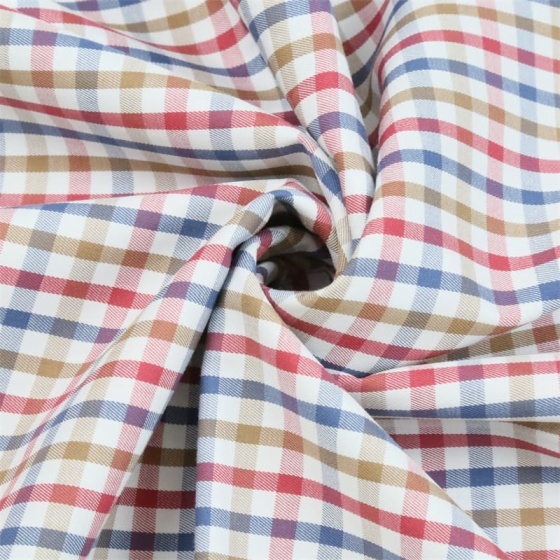
Understanding Cotton Dyed Fabric: A Comprehensive Guide to Textile Dyeing
Cotton dyed fabric is a cornerstone in the textile industry, especially within the realm of dyeing and weaving. The process of dyeing cotton fabric involves applying colorants to cotton fibers, resulting in a wide variety of hues and patterns that enhance the fabric's aesthetic appeal. This technique not only elevates the visual qualities of the fabric but also plays a crucial role in the overall
Dec 05,2025
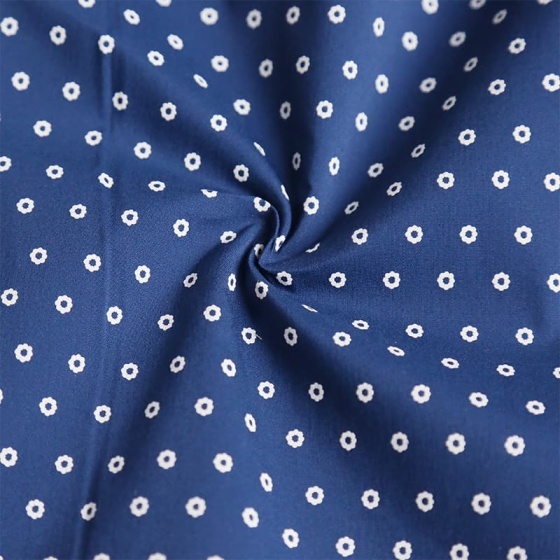
How to Effectively Market Products Made from Printed Cloth Fabric: A Comprehensive Guide
How to Effectively Market Products Made from Printed Cloth Fabric Table of Contents 1. Introduction to Printed Cloth Fabric Marketing 2. Understanding Your Target Audience 3. Crafting a Unique Selling Proposition (USP) 4. Utilizing Social Media Platforms for Promotion 4.1 Building a Strong Brand Presence 4.2 Engaging Content Creation 5. Leveraging Influencer Collaborations 6. Implementing SEO Stra
Dec 04,2025

Quality Linen Denim Fabric Supplier Supports Modern Apparel
In the fashion industry, the search for materials that offer both aesthetic appeal and practical comfort is ongoing. A blend like linen denim addresses this demand by combining the classic, durable look of denim with the natural, breathable properties of linen. For designers and clothing brands, working with a reliable quality linen denim fabric supplier is key to creating garments that meet the expectations of today's consumers.
Dec 03,2025
Do Not Heasite To Contact W&S, Your Comprehensive Solution Provider Now!
We like produce phone cases but we more like to see you earn lots of money by working with us.
Quick Link
Garment

Copyright © Nantong Wang and sheng Textile Co., Ltd. All Right Reserved.

Whatsapp: 8615996649800
Looking forward to your call
Tel: +86-15996649800
Looking forward to your call
Email: Nick.wang@ntwangsheng.com
Looking forward to your letter