
What Men Should Know About Fabric Weight in Shirts: A Comprehensive Guide
Nov 28,2025
Understanding Fabric Weight in Shirts: A Crucial Element for Style and Comfort
When it comes to choosing the right shirt, many men often overlook a critical factor: **fabric weight**. Understanding fabric weight can significantly influence comfort, style, and even the longevity of your shirts. This guide aims to unravel the complexities of fabric weight, ensuring that you make informed choices that align with your lifestyle and fashion preferences.
The Basics of Fabric Weight
Fabric weight refers to the weight of the material used in a garment measured in grams per square meter (GSM) or ounces per square yard (oz/yd²). Generally, **lighter fabrics** range from 80 to 150 GSM, while **heavier fabrics** can go above 200 GSM. Understanding this distinction is key to selecting shirts suitable for different situations, climates, and personal styles.
Why Fabric Weight Matters in Shirt Selection
Choosing a shirt based solely on color or style may not yield the best results. The weight of the fabric plays a vital role in several aspects:
1. Comfort Level
The comfort of a shirt is heavily influenced by its weight. **Lighter fabrics** tend to breathe better and are ideal for warm weather, while **heavier fabrics** provide warmth during cooler months. Selecting the right fabric weight can enhance comfort significantly.
2. Durability and Longevity
Heavier fabrics are typically more durable and resistant to wear and tear. This doesn't mean lighter fabrics lack quality; rather, they may require more care to maintain their appearance. Understanding the balance between comfort and durability is essential when investing in your wardrobe.
3. Fit and Structure
The fabric weight also affects how a shirt drapes on the body. Lighter materials may flow and fit more loosely, while heavier options maintain structure. If you prefer a tailored look, opting for a medium to heavy-weight fabric can provide the desired silhouette.
Common Fabric Weights and Their Uses
To better understand fabric weight, let's explore common types of fabrics used in shirts along with their weight classifications.
Lightweight Fabrics (80-150 GSM)
These fabrics are perfect for summer wear or layered outfits. They include:
- **Cotton Voile**: Known for its delicate, airy quality, making it perfect for casual shirts.
- **Linen**: Breathable and lightweight, it's ideal for hot weather but wrinkles easily.
- **Chambray**: Offers a similar look to denim but is much lighter, great for casual and semi-formal shirts.
Medium-weight Fabrics (150-200 GSM)
Medium-weight fabrics strike a balance between comfort and durability. Examples include:
- **Oxford Cloth**: A classic choice for dress shirts, it provides structure while remaining comfortable.
- **Poplin**: Lightweight yet sturdy, making it versatile for both casual and formal settings.
Heavyweight Fabrics (200+ GSM)
These fabrics offer durability and warmth, making them suitable for cooler climates. They include:
- **Twill**: Known for its diagonal weave, it adds a touch of sophistication to dress shirts.
- **Flannel**: Soft and warm, perfect for fall and winter.
Choosing the Right Fabric Weight for Different Occasions
Understanding the right fabric weight to choose for various occasions can elevate your wardrobe significantly.
Casual Wear
For weekend outings or relaxed gatherings, lightweight fabrics like **linen** or **chambray** are excellent choices. They allow for breathability and comfort while providing a laid-back aesthetic.
Office Attire
In a professional setting, medium-weight fabrics such as **Oxford cloth** or **poplin** are ideal. They balance comfort with a polished appearance, suitable for meetings and presentations.
Formal Events
For formal occasions, consider heavier fabrics like **twill** or **high-quality cotton blends**. These fabrics provide structure and sophistication, ensuring you look sharp and well-dressed.
Fabric Care: Maintaining Weight and Quality
Proper care of your shirts can prolong their life and maintain their fabric weight, ensuring they remain comfortable and stylish.
Washing and Drying
- Always follow the care label instructions. Most shirts can be machine washed, but delicate fabrics may require hand washing.
- Air drying is preferable to maintain shape and weight, especially for lightweight fabrics.
Ironing and Storage
- Use the appropriate heat settings on your iron based on the fabric type. Lightweight fabrics may require lower heat to avoid damage.
- Store shirts in a cool, dry place, preferably hanging rather than folded, to prevent creasing.
FAQs About Fabric Weight in Shirts
1. What is the importance of fabric weight in shirts?
Fabric weight affects comfort, fit, durability, and the overall look of a shirt.
2. How do I determine the right fabric weight for my needs?
Consider the climate, occasion, and personal comfort preferences when selecting fabric weight.
3. Are lighter fabrics always better for warm weather?
While lighter fabrics are generally more breathable, some medium-weight fabrics are also designed to wick moisture and keep you cool.
4. Can I wear heavyweight fabrics in summer?
While possible, it’s advisable to choose lightweight or medium-weight fabrics for comfort in hot weather.
5. How can I tell if a fabric is of high quality based on its weight?
High-quality fabrics often have a substantial weight without being overly thick or stiff. They should also feel soft and drape well.
Conclusion: The Impact of Fabric Weight on Your Wardrobe
Understanding fabric weight is essential for any man looking to refine his wardrobe. By considering the weight of fabric in relation to comfort, durability, and fit, you can make informed choices that align with your lifestyle and style preferences. From casual outings to formal events, the right shirt can make all the difference. Remember to invest time in choosing fabrics that not only look good but feel good, ensuring you always put your best foot forward.
More Events
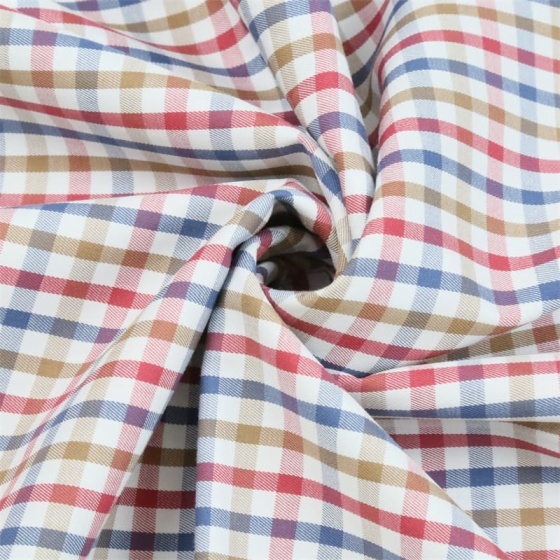
Understanding Cotton Dyed Fabric: A Comprehensive Guide to Textile Dyeing
Cotton dyed fabric is a cornerstone in the textile industry, especially within the realm of dyeing and weaving. The process of dyeing cotton fabric involves applying colorants to cotton fibers, resulting in a wide variety of hues and patterns that enhance the fabric's aesthetic appeal. This technique not only elevates the visual qualities of the fabric but also plays a crucial role in the overall
Dec 05,2025
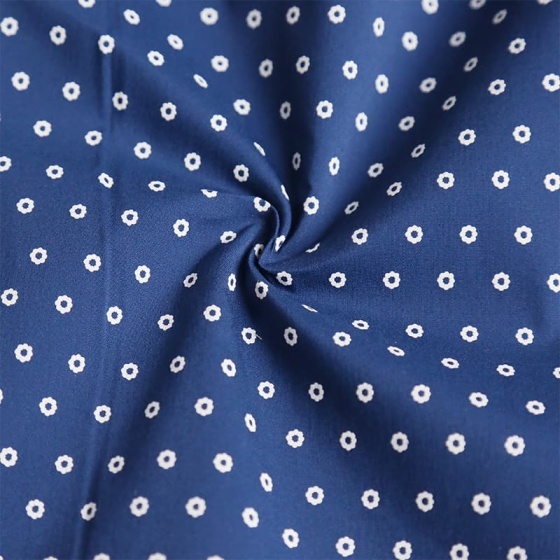
How to Effectively Market Products Made from Printed Cloth Fabric: A Comprehensive Guide
How to Effectively Market Products Made from Printed Cloth Fabric Table of Contents 1. Introduction to Printed Cloth Fabric Marketing 2. Understanding Your Target Audience 3. Crafting a Unique Selling Proposition (USP) 4. Utilizing Social Media Platforms for Promotion 4.1 Building a Strong Brand Presence 4.2 Engaging Content Creation 5. Leveraging Influencer Collaborations 6. Implementing SEO Stra
Dec 04,2025

Quality Linen Denim Fabric Supplier Supports Modern Apparel
In the fashion industry, the search for materials that offer both aesthetic appeal and practical comfort is ongoing. A blend like linen denim addresses this demand by combining the classic, durable look of denim with the natural, breathable properties of linen. For designers and clothing brands, working with a reliable quality linen denim fabric supplier is key to creating garments that meet the expectations of today's consumers.
Dec 03,2025
Do Not Heasite To Contact W&S, Your Comprehensive Solution Provider Now!
We like produce phone cases but we more like to see you earn lots of money by working with us.
Quick Link
Garment

Copyright © Nantong Wang and sheng Textile Co., Ltd. All Right Reserved.

Whatsapp: 8615996649800
Looking forward to your call
Tel: +86-15996649800
Looking forward to your call
Email: Nick.wang@ntwangsheng.com
Looking forward to your letter