Understanding the Revolutionary Technology Behind Digital Printed Fabric
Release Time:
Dec 06,2025
Author:
Understanding the Revolutionary Technology Behind Digital Printed Fabric
Digital printed fabric technology has revolutionized the textile industry, offering a modern approach to fabric design and production that is both efficient and environmentally friendly. In this comprehensive guide, we will explore the various aspects of digital printing, including its advantages, the techniques involved, and the future of this cutting-edge technology in the world of textiles.
Table of Contents
- 1. Overview of Digital Printed Fabric Technology
- 2. A Brief History of Fabric Printing
- 3. Benefits of Digital Fabric Printing
- 4. Techniques Behind Digital Fabric Printing
- 5. Applications of Digital Printed Fabric
- 6. Environmental Impact of Digital Printing
- 7. Future Trends in Digital Fabric Printing
- 8. Frequently Asked Questions
- 9. Conclusion
1. Overview of Digital Printed Fabric Technology
Digital printed fabric involves the use of digital technology to print designs directly onto fabric. Unlike traditional methods, which often require screens or blocks, digital printing simplifies the process by allowing designers to create complex and vibrant patterns with ease. This technique utilizes specialized printers that can handle various fabrics, including cotton, polyester, and silk, making it versatile for different applications.
2. A Brief History of Fabric Printing
The journey of fabric printing began centuries ago, with methods evolving from hand-painted designs to the mechanized processes of the Industrial Revolution. Traditional printing techniques like block printing and screen printing laid the groundwork for more innovative methods. The introduction of digital printing in the late 20th century marked a significant turning point. Initially used for small runs and sample productions, it has since gained popularity for full-scale production due to its efficiency and flexibility.
The Transition to Digital
In the 1990s, advancements in inkjet technology paved the way for digital fabric printing. Brands and manufacturers quickly recognized the potential for customization and rapid prototyping. As technology advanced, so did the quality of printed fabrics, leading to a surge in demand from both consumers and designers.
3. Benefits of Digital Fabric Printing
Digital printed fabric offers numerous advantages compared to traditional methods. Here are some of the key benefits:
Reduced Waste
One of the most significant advantages of digital printing is the reduction of waste. Traditional methods often require large quantities of fabric to be printed, leading to excess material that may end up discarded. Digital printing allows for on-demand production, meaning only the fabric needed for a particular design is printed.
High Customization
Digital printing enables designers to create unique, individualized patterns without the limitations of screens or blocks. This flexibility fosters creativity and opens new avenues for artistic expression.
Quality and Detail
The precision of digital printing results in high-resolution images and vibrant colors that can be reproduced consistently. This quality makes digital printed fabrics appealing for fashion, upholstery, and other applications where detail matters.
4. Techniques Behind Digital Fabric Printing
Digital fabric printing involves several techniques, each with its unique characteristics and applications. Here, we will explore the most common methods:
Inkjet Printing
Inkjet printing is the most widely used technique in digital fabric printing. It employs tiny nozzles to spray ink directly onto the fabric. This method is suitable for a wide range of materials and allows for intricate designs with smooth gradients.
Dye Sublimation
Dye sublimation is a specialized process that involves transferring dye onto fabric using heat. The dye turns into gas and embeds itself into synthetic fibers, resulting in vibrant, long-lasting prints. This method is particularly popular for polyester fabrics.
Direct-to-Fabric Printing
Direct-to-fabric printing allows ink to be applied directly to the fabric without pre-treatment. This method is ideal for natural fibers, providing a soft hand feel while maintaining excellent print quality.
Different Types of Inks Used in Digital Printing
The choice of ink can significantly affect the print outcome. Common types of inks include:
- **Reactive Dyes**: Best for natural fibers, offering bright colors and excellent wash fastness.
- **Acid Dyes**: Ideal for protein fibers like silk and wool, providing vibrant hues and deep saturation.
- **Pigment Inks**: Versatile and suitable for various fabrics, though they may require a bonding agent for optimal adhesion.
- **Dye Sublimation Inks**: Specifically designed for dye sublimation processes, ensuring vibrant and durable prints on synthetic materials.
5. Applications of Digital Printed Fabric
Digital printed fabric finds applications in various industries, ranging from fashion to interior design. Here are some popular uses:
Fashion Industry
Fashion designers increasingly turn to digital printing for its ability to create intricate patterns and customized designs. Whether it's for clothing, accessories, or footwear, digital printing allows for quick turnaround times and a more sustainable approach to fashion.
Home Décor
Digital printed fabrics are common in home décor items such as curtains, upholstery, and bedding. Designers can create unique patterns that match specific themes, enabling homeowners to express their style.
Promotional Products
From banners to promotional clothing, digital printed fabric serves as an effective medium for branding and marketing. Companies can produce custom designs for events without significant lead times or high costs.
6. Environmental Impact of Digital Printing
As sustainability becomes a priority for many industries, digital fabric printing stands out for its environmentally friendly practices.
Reduced Water Usage
Traditional printing methods often involve extensive water use for dyeing and washing. Digital printing significantly reduces water consumption, making it a greener option.
Less Chemical Waste
The chemical footprint of digital printing is lower compared to traditional methods. Since the process is more precise and requires fewer resources, it results in less environmental impact.
Utilization of Eco-Friendly Inks
Many digital printing companies are shifting towards eco-friendly inks that are safer for both humans and the environment. These inks are often water-based and free from harmful solvents, further promoting sustainability within the industry.
7. Future Trends in Digital Fabric Printing
The future of digital printed fabric is bright, with ongoing advancements expected to shape the industry in the coming years. Here are some trends to watch:
Technological Advancements
As printer technology continues to evolve, we can expect faster print speeds, higher resolution, and improved color accuracy. This will make digital printing even more appealing to manufacturers and designers.
Increased Customization
The demand for personalized products is on the rise. Digital printing will continue to facilitate customization, allowing consumers to create unique items that reflect their individual styles.
Integration with AI and Automation
Artificial intelligence and automation are set to play a significant role in streamlining the design and production processes. AI can help predict trends, optimize designs, and enhance the overall efficiency of digital printing workflows.
8. Frequently Asked Questions
What types of fabrics can be printed using digital printing technology?
Digital printing technology can be used on a variety of fabrics, including natural fibers like cotton and silk, as well as synthetic materials like polyester and nylon. Each fabric may require specific inks and techniques for the best results.
How does digital printing compare to traditional fabric printing methods?
Digital printing offers several advantages over traditional methods, including reduced waste, faster turnaround times, and the ability to create intricate designs without the need for screens or blocks. Traditional methods often involve more labor and higher setup costs.
Is digital printed fabric more expensive than traditionally printed fabric?
The cost of digital printed fabric can vary depending on factors such as the complexity of the design, type of fabric, and order quantity. While small runs may be more cost-effective with digital printing, larger quantities may still be more economical with traditional methods.
How durable are digital prints on fabric?
Digital prints can be highly durable, especially when using quality inks and proper printing techniques. However, the durability can depend on the type of ink used and the care instructions followed for the fabric.
Can I wash digital printed fabrics?
Yes, digital printed fabrics can typically be washed, but it is essential to follow care instructions provided by the manufacturer. Washing in cold water and avoiding harsh detergents can help maintain the vibrancy of the prints.
9. Conclusion
Digital printed fabric technology has transformed the textile industry, offering unparalleled opportunities for creativity, customization, and sustainability. With its benefits ranging from reduced waste to high-quality prints, digital printing is the future of fabric design and production. As we continue to innovate and embrace new technologies, the possibilities for digital printed fabrics will only expand, paving the way for exciting developments in fashion, home décor, and beyond. As an industry, we must remain committed to sustainable practices while pushing the boundaries of creativity and innovation in textile design.
More Events

Bulk fleece fabric buying guide: types, weights, and where to order wholesale
A complete 2026 guide to buying bulk fleece fabric wholesale — covering GSM weight comparisons, fabric types, anti-pill specs, MOQ requirements, sustainability certifications, and how to choose the right fleece fabric supplier for your business.
Oct 09,2026
How to find reliable viscose fabric suppliers: a practical sourcing guide
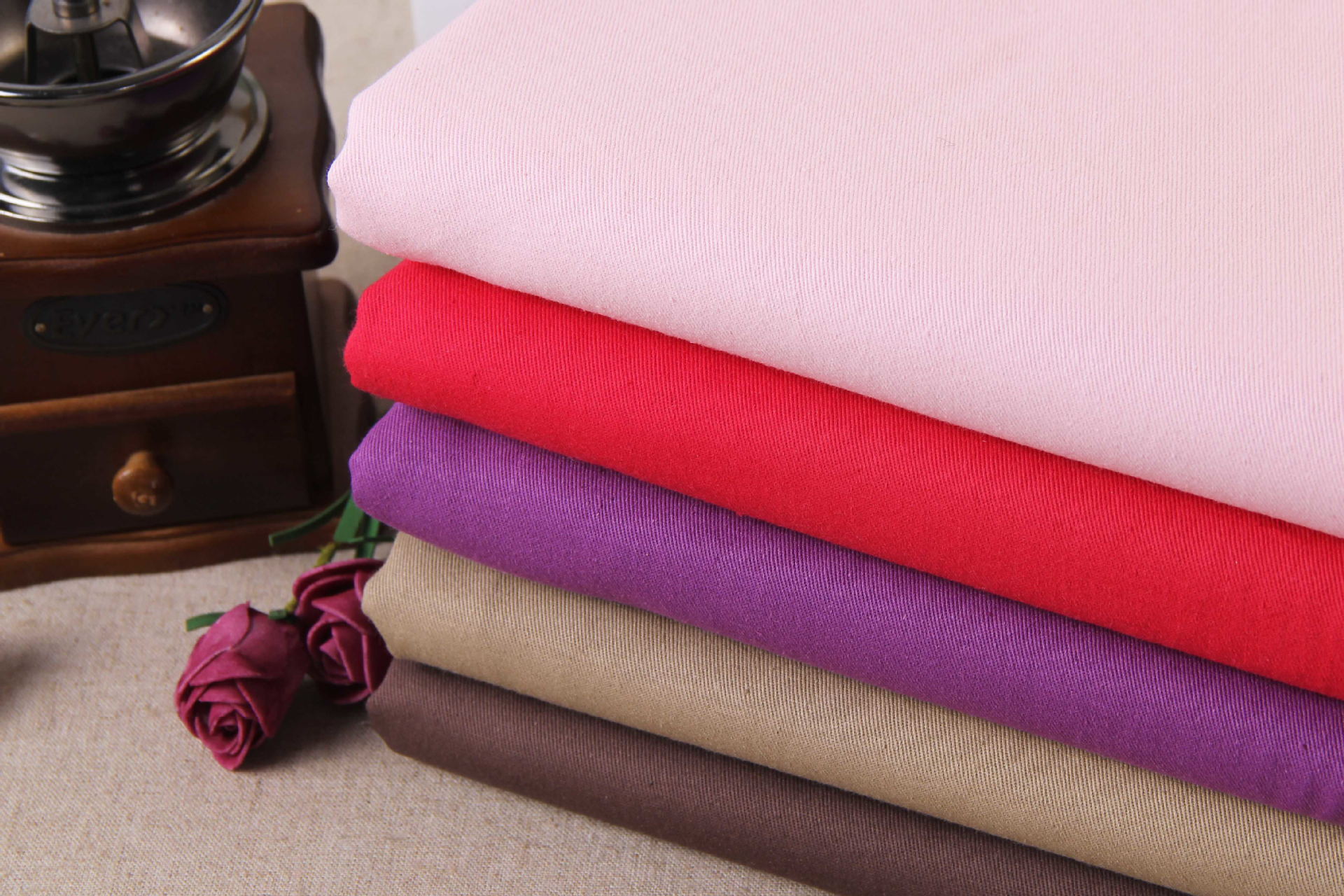
Looking for reliable viscose fabric suppliers in 2026? This practical sourcing guide covers MOQ, certifications, and a ready-to-use RFQ checklist for procurement teams.
Sep 28,2026
Wholesale fleece fabric buying guide: types, prices & sourcing tips
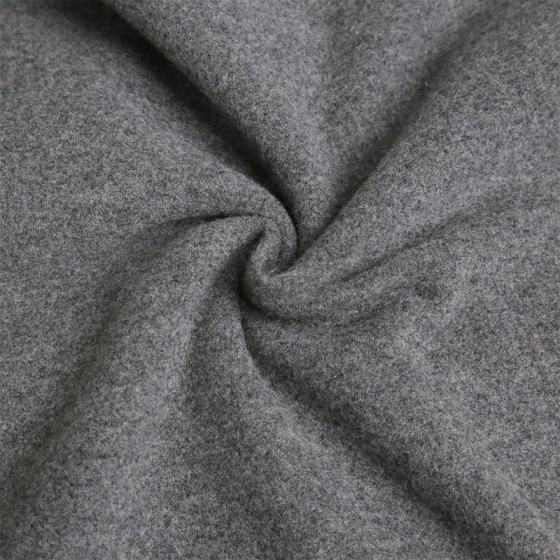
Complete 2026 guide to wholesale fleece fabric: compare GSM weights, MOQ requirements, tiered pricing, eco-certified rPET options, and project-based selection tips for apparel manufacturers and bulk buyers.
Sep 24,2026
Get in Touch
We sincerely wish to set up a long-term cooperative relationship with you. Welcome you to pay a visit to us.
Contact your comprehensive solution provider W&S immediately !
We produce fashionable fabrics and various men's and women's clothing, but we would prefer to see you collaborate with us.
Quick Link
Garment

Copyright © Nantong Wang and sheng Textile Co., Ltd. All Right Reserved.

Whatsapp: 8615996649800
Looking forward to your call
Tel: +86-15996649800
Looking forward to your call
Email: Nick.wang@ntwangsheng.com
Looking forward to your letter