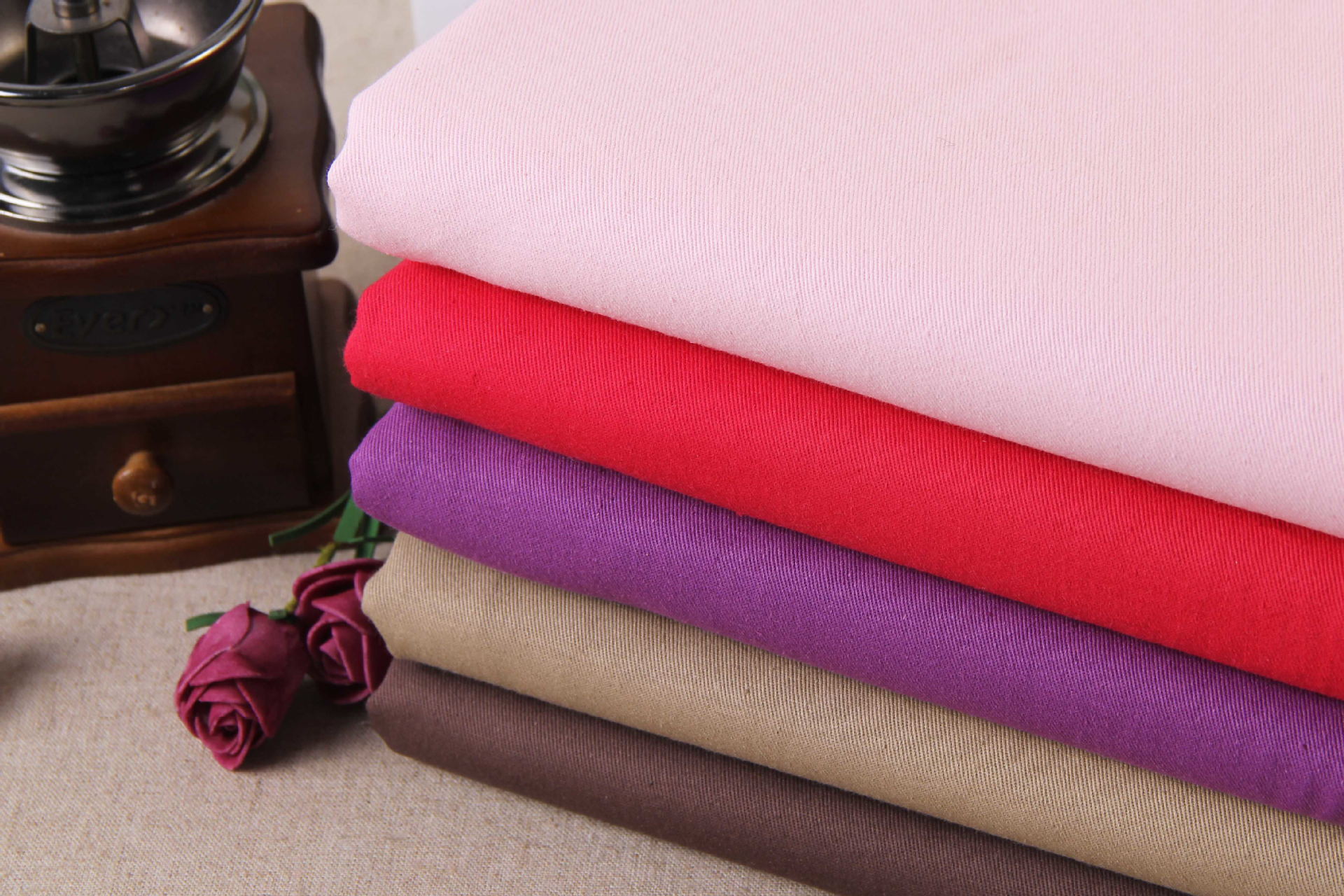
Why Cotton Dyed Fabric is Ideal for Eco-Conscious Consumers
Release Time:
Dec 20,2025
Author:
Why Cotton Dyed Fabric is Ideal for Eco-Conscious Consumers
Introduction to Eco-Conscious Fashion
In today’s world, where environmental issues dominate discussions, the clothing industry faces immense scrutiny. **Eco-conscious consumers** are increasingly seeking sustainable options that prioritize both style and environmental responsibility. Among various fabrics, **cotton dyed fabric** stands out as a leading choice, offering not only aesthetic appeal but also significant ecological benefits. This article will explore why cotton dyed fabrics are the ideal option for those who prioritize sustainability in their wardrobe.
The Environmental Impact of Cotton Production
Understanding Cotton Cultivation
Cotton, one of the most widely used natural fibers, is celebrated for its softness and breathability. However, the cultivation process has historically posed significant environmental challenges. Conventional cotton farming often relies on harmful pesticides, fertilizers, and extensive water resources, leading to soil degradation and water scarcity.
Organic Cotton: A Sustainable Alternative
In response to these environmental concerns, **organic cotton** has emerged as a sustainable alternative. Cultivated without synthetic chemicals, organic cotton promotes soil health and reduces water usage, making it a more eco-friendly choice. Consumers can rest assured that opting for organic cotton dyed fabrics supports environmentally responsible farming practices.
Benefits of Cotton Dyed Fabrics for Eco-Conscious Consumers
1. Biodegradability and Sustainability
One of the primary advantages of cotton is its **biodegradability**. Unlike synthetic fabrics that can persist in landfills for hundreds of years, cotton fibers naturally decompose, minimizing the environmental footprint. When consumers choose cotton dyed fabrics, they contribute to a circular economy that promotes sustainability.
2. Safe for the Environment and Human Health
The use of natural dyes in cotton dyeing further enhances its eco-friendliness. Many brands are shifting towards plant-based dyes, which are less harmful to the environment and human health. This commitment to safer dyeing processes ensures that cotton dyed fabrics are safe to wear, making them ideal for consumers with sensitive skin.
3. Versatility in Fashion
Cotton dyed fabrics are incredibly versatile, available in a wide range of colors and patterns. This adaptability allows designers to create stylish, unique clothing that caters to various tastes while adhering to sustainable practices. From casual wear to high-fashion items, cotton dyed fabric offers endless possibilities in the realm of eco-conscious fashion.
Popular Applications of Cotton Dyed Fabrics
- **Apparel**: T-shirts, dresses, and activewear.
- **Home Textiles**: Curtains, upholstery, and bed linens.
- **Accessories**: Bags, scarves, and hats.
The Process of Dyeing Cotton Fabric
Natural vs. Synthetic Dyes
When it comes to dyeing cotton, consumers can choose between natural and synthetic dyes. **Natural dyes**, derived from plants, minerals, and insects, are often preferred by eco-conscious brands due to their environmentally friendly nature. Conversely, synthetic dyes can pose environmental risks, particularly during manufacturing processes.
Innovations in Eco-Friendly Dyeing Techniques
The textile industry has witnessed significant advancements in eco-friendly dyeing techniques. Brands are adopting methods that reduce water consumption and eliminate harmful chemicals. Techniques such as **waterless dyeing** and **digital printing** minimize environmental impact, ensuring cotton dyed fabrics remain a sustainable option.
Choosing Ethical Brands for Cotton Dyed Fabrics
Supporting Sustainable Practices
When purchasing cotton dyed fabrics, consumers should prioritize brands that champion ethical sourcing and production practices. This includes transparency in the supply chain, fair labor conditions, and a commitment to reducing their environmental impact. Researching and supporting these brands not only aligns with eco-conscious values but also contributes to a more sustainable fashion industry.
Certifications to Look For
To ensure that cotton dyed fabrics are genuinely eco-friendly, consumers should look for certifications such as:
- **GOTS (Global Organic Textile Standard)**: Ensures organic fiber content and environmentally safe dyeing processes.
- **OEKO-TEX**: Indicates that textiles are free from harmful substances and safe for human use.
- **Fair Trade**: Ensures ethical practices in production, promoting fair wages and safe working conditions.
The Economic Impact of Choosing Cotton Dyed Fabrics
Supporting Local Economies
Purchasing cotton dyed fabrics often supports local economies, particularly in regions where cotton is grown. By choosing to buy from local artisans and manufacturers, consumers contribute to job creation and sustainable agricultural practices. This economic empowerment strengthens communities and promotes a more sustainable future.
Long-Term Cost Benefits
While cotton dyed fabrics may come with a higher upfront cost compared to fast fashion alternatives, they offer significant long-term savings. **Durability** and timeless style ensure that these garments can be worn for years, reducing the need for frequent replacements and ultimately saving money.
FAQs about Cotton Dyed Fabrics and Eco-Conscious Choices
1. What makes cotton dyed fabric eco-friendly?
Cotton dyed fabric is considered eco-friendly due to its biodegradability, use of natural dyes, and sustainable cultivation practices, especially when organic cotton is used.
2. Are natural dyes safe for the environment?
Yes, natural dyes are generally safer for the environment compared to synthetic dyes, as they are derived from plants and minerals and produce less pollution during the dyeing process.
3. How can I identify ethical brands that use cotton dyed fabrics?
Look for brands with certifications such as GOTS, OEKO-TEX, and Fair Trade. Additionally, research their sourcing and production practices to ensure they align with eco-conscious values.
4. Can cotton dyed fabrics be recycled?
Yes, cotton dyed fabrics are biodegradable and can also be recycled or upcycled, making them a sustainable choice for eco-conscious consumers.
5. What are the best care practices for cotton dyed fabrics?
To prolong the lifespan of cotton dyed fabrics, wash them in cold water, avoid harsh detergents, and hang them to dry when possible. This helps maintain their color and quality.
Conclusion: Embrace a Sustainable Future with Cotton Dyed Fabrics
In conclusion, cotton dyed fabric emerges as a frontrunner for eco-conscious consumers seeking sustainable and stylish options. Its biodegradable nature, coupled with the shift towards organic cultivation and eco-friendly dyeing techniques, makes it a responsible choice for our planet. By supporting ethical brands and choosing cotton dyed fabrics, consumers can make a significant impact on the fashion industry and contribute to a greener future. Embrace the beauty and sustainability of cotton dyed fabrics, and step confidently into a world where fashion and eco-consciousness go hand in hand.
More Events

Bulk fleece fabric buying guide: types, weights, and where to order wholesale
A complete 2026 guide to buying bulk fleece fabric wholesale — covering GSM weight comparisons, fabric types, anti-pill specs, MOQ requirements, sustainability certifications, and how to choose the right fleece fabric supplier for your business.
Oct 09,2026
How to find reliable viscose fabric suppliers: a practical sourcing guide
Looking for reliable viscose fabric suppliers in 2026? This practical sourcing guide covers MOQ, certifications, and a ready-to-use RFQ checklist for procurement teams.
Sep 28,2026
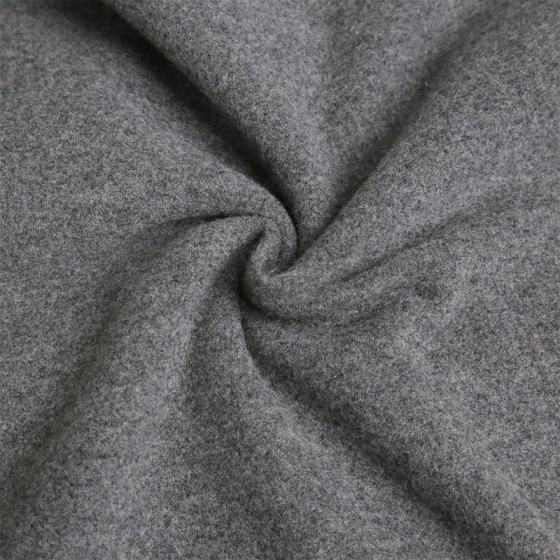
Wholesale fleece fabric buying guide: types, prices & sourcing tips
Complete 2026 guide to wholesale fleece fabric: compare GSM weights, MOQ requirements, tiered pricing, eco-certified rPET options, and project-based selection tips for apparel manufacturers and bulk buyers.
Sep 24,2026
Get in Touch
We sincerely wish to set up a long-term cooperative relationship with you. Welcome you to pay a visit to us.
Contact your comprehensive solution provider W&S immediately !
We produce fashionable fabrics and various men's and women's clothing, but we would prefer to see you collaborate with us.
Quick Link
Garment

Copyright © Nantong Wang and sheng Textile Co., Ltd. All Right Reserved.

Whatsapp: 8615996649800
Looking forward to your call
Tel: +86-15996649800
Looking forward to your call
Email: Nick.wang@ntwangsheng.com
Looking forward to your letter