
Exploring Cultural Influences in Printed Cloth Fabric Patterns: A Journey Through Textiles
Release Time:
Dec 24,2025
Author:
Exploring Cultural Influences in Printed Cloth Fabric Patterns
Table of Contents
1. Introduction to Printed Cloth Fabric Patterns
2. The Historical Context of Textile Printing
3. Major Cultural Influences on Fabric Patterns
3.1 African Textiles: Colors and Symbolism
3.2 Asian Influences: From Batik to Sari Designs
3.3 European Patterns: The Renaissance to Modernity
4. Techniques of Printing: Traditional vs. Modern Methods
4.1 Block Printing: An Age-Old Tradition
4.2 Screen Printing: The Revolution of Fabric Design
5. The Role of Cultural Heritage in Fabric Patterns
6. Contemporary Trends in Printed Fabrics
7. The Future of Printed Textiles: Sustainability and Innovation
8. Conclusion
9. Frequently Asked Questions (FAQs)
1. Introduction to Printed Cloth Fabric Patterns
In our modern world, **printed cloth fabric patterns** serve not only as functional materials but also as canvases that depict vibrant cultural narratives. From **traditional garments** to contemporary designs, each pattern tells a story that reflects the values, beliefs, and artistic expressions of a community. This article aims to delve into the myriad influences that shape these intricate designs, illustrating how textiles have become a bridge connecting generations across cultures.
2. The Historical Context of Textile Printing
The art of printing textiles has a rich history that dates back thousands of years. **Ancient civilizations** used natural dyes and primitive printing techniques to adorn their fabrics, with each piece serving a specific purpose, whether it be ceremonial, everyday wear, or trade. As civilizations evolved and interacted, the exchange of techniques and motifs enriched the fabric landscape, leading to the diverse array of printed patterns we see today.
3. Major Cultural Influences on Fabric Patterns
The influence of culture on fabric patterns cannot be understated. Various regions have distinct styles, colors, and motifs that reveal their unique identities.
3.1 African Textiles: Colors and Symbolism
African textiles are renowned for their vibrant colors and intricate patterns that convey deep meanings. **Kente cloth**, originating from Ghana, showcases complex designs that tell stories of lineage and social status. Similarly, **batik** from West Africa uses wax-resist dyeing to create symbolic patterns that celebrate the community's history and beliefs. Each design is a reflection of the cultural heritage and the environment from which it comes.
3.2 Asian Influences: From Batik to Sari Designs
Asia boasts a vast array of textile traditions that have shaped fabric printing. **Batik**, a method from Indonesia, employs intricate wax patterns to create stunning designs that often depict nature and folklore. In India, the **sari** showcases various regional styles, each with distinct patterns and colors that symbolize different cultural facets. The influence of Asian textiles extends globally, inspiring designers and artisans worldwide.
3.3 European Patterns: The Renaissance to Modernity
European fabric patterns evolved dramatically from the Renaissance period, where intricate designs flourished in textiles like **damask** and **brocade**. Over time, the Industrial Revolution introduced new printing technologies, leading to mass production of **chintz** and floral patterns that became synonymous with Western fashion. Today, European design continues to innovate, drawing inspiration from historical motifs while blending them with contemporary aesthetics.
4. Techniques of Printing: Traditional vs. Modern Methods
The methods used to print fabrics have evolved significantly, transitioning from hand-crafted techniques to modern innovations.
4.1 Block Printing: An Age-Old Tradition
Block printing is one of the oldest methods of fabric printing. Artisans carve designs onto wooden blocks, which are then dipped in dye and pressed onto fabric. This meticulous process not only produces unique patterns but also preserves cultural heritage and artisanal skills.
4.2 Screen Printing: The Revolution of Fabric Design
Screen printing revolutionized the textile industry with its efficiency and versatility. This technique uses a mesh screen to transfer ink onto fabric, allowing for precise and intricate designs. Today, screen printing remains popular, especially in the fashion industry for creating custom designs and graphic tees.
5. The Role of Cultural Heritage in Fabric Patterns
Cultural heritage plays a pivotal role in shaping fabric patterns. Many designs are steeped in tradition, with techniques passed down through generations. This connection to heritage not only preserves cultural identity but also inspires contemporary designers to incorporate traditional motifs into modern textiles. The stories behind these patterns become integral to the fabric's identity, fostering a deeper appreciation for their significance.
6. Contemporary Trends in Printed Fabrics
As global influences blend, contemporary trends in printed fabrics reflect a mix of traditional and modern aesthetics. Designers are increasingly embracing **sustainable practices**, using eco-friendly materials and dyes while paying homage to cultural origins. This shift is not only about aesthetics but also about responsibility, as consumers seek to connect with the stories behind their clothing.
7. The Future of Printed Textiles: Sustainability and Innovation
The future of printed textiles lies in sustainability and innovation. As awareness of environmental issues grows, the industry is exploring new materials and techniques that minimize ecological impact. Innovations in digital printing, for instance, allow for precise designs with less waste, while new dyeing methods reduce water consumption. By marrying technology with traditional artistry, the textile industry can create beautiful, meaningful fabrics that respect both culture and nature.
8. Conclusion
In conclusion, printed cloth fabric patterns serve as a testament to the rich tapestry of cultural influences that shape our world. Each design, whether rooted in tradition or modern innovation, carries a story that connects us to our heritage. As we navigate the future of textiles, embracing sustainability and creativity will ensure that these cultural narratives continue to thrive, enriching the fabric of our lives.
9. Frequently Asked Questions (FAQs)
1. What are printed cloth fabric patterns?
Printed cloth fabric patterns are designs created on textiles using various printing techniques, reflecting cultural influences and artistic expressions.
2. How do cultural influences shape fabric patterns?
Cultural influences shape fabric patterns through historical narratives, traditional techniques, and regional aesthetics, each telling a unique story.
3. What are some traditional methods of fabric printing?
Traditional methods include block printing, batik, and hand-painted techniques, each requiring skill and artistry to create intricate designs.
4. How has modern technology impacted fabric printing?
Modern technology, such as digital printing and screen printing, has increased efficiency, precision, and the ability to produce complex designs on a larger scale.
5. Why is sustainability important in the textile industry?
Sustainability is essential in the textile industry to reduce environmental impact, promote ethical practices, and ensure that cultural heritage is respected and preserved.
Through this exploration of cultural influences in printed cloth fabric patterns, we hope to inspire a deeper appreciation for the artistry and significance behind each piece of textile. The beauty of fabric lies not only in its aesthetic appeal but also in the rich stories it carries within its threads.
More Events

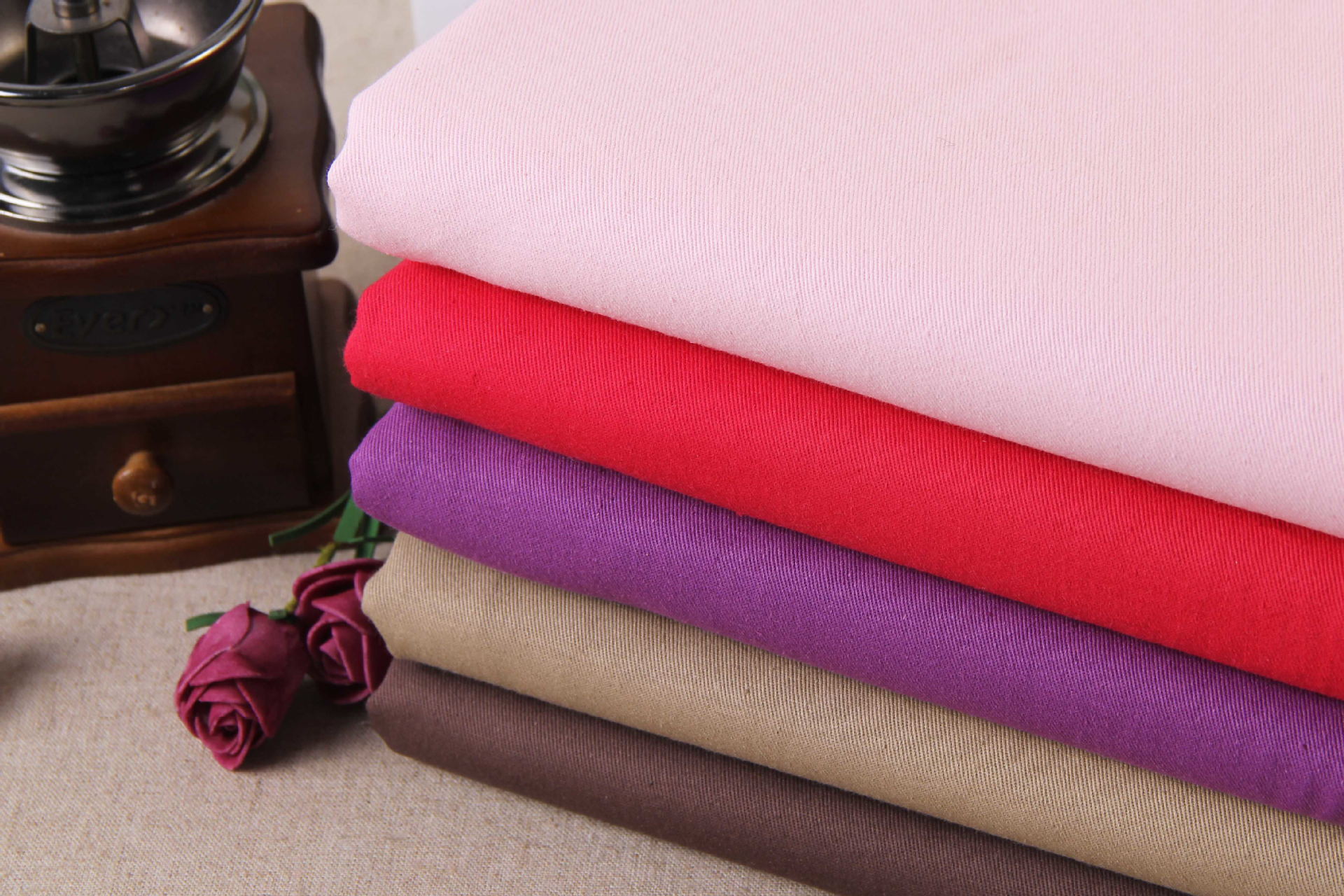
Bulk fleece fabric buying guide: types, weights, and where to order wholesale
A complete 2026 guide to buying bulk fleece fabric wholesale — covering GSM weight comparisons, fabric types, anti-pill specs, MOQ requirements, sustainability certifications, and how to choose the right fleece fabric supplier for your business.
Oct 09,2026
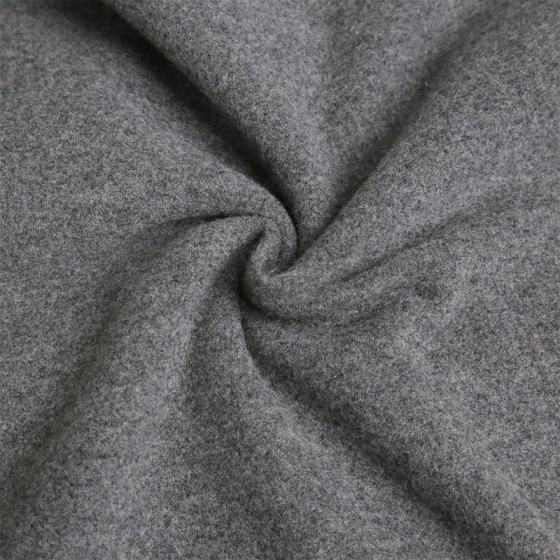
How to find reliable viscose fabric suppliers: a practical sourcing guide
Looking for reliable viscose fabric suppliers in 2026? This practical sourcing guide covers MOQ, certifications, and a ready-to-use RFQ checklist for procurement teams.
Sep 28,2026
Wholesale fleece fabric buying guide: types, prices & sourcing tips
Complete 2026 guide to wholesale fleece fabric: compare GSM weights, MOQ requirements, tiered pricing, eco-certified rPET options, and project-based selection tips for apparel manufacturers and bulk buyers.
Sep 24,2026
Get in Touch
We sincerely wish to set up a long-term cooperative relationship with you. Welcome you to pay a visit to us.
Contact your comprehensive solution provider W&S immediately !
We produce fashionable fabrics and various men's and women's clothing, but we would prefer to see you collaborate with us.
Quick Link
Garment

Copyright © Nantong Wang and sheng Textile Co., Ltd. All Right Reserved.

Whatsapp: 8615996649800
Looking forward to your call
Tel: +86-15996649800
Looking forward to your call
Email: Nick.wang@ntwangsheng.com
Looking forward to your letter