
The Art and Science of Creating Stunning Digital Printed Fabric Designs
Release Time:
Dec 26,2025
Author:
The Process of Creating Stunning Digital Printed Fabric Designs
Table of Contents
- 1. Introduction to Digital Printed Fabrics
- 2. Understanding Digital Printing Technology
- 3. The Design Phase: Conceptualizing Unique Patterns
- 4. Choosing the Right Fabric for Digital Printing
- 5. The Preparation Process: Getting Ready for Printing
- 6. The Printing Process: Transforming Designs into Reality
- 7. Finishing Techniques for Digital Printed Fabrics
- 8. Sustainability in Digital Fabric Printing
- 9. Future Trends in Digital Fabric Printing
- 10. Frequently Asked Questions
- 11. Conclusion
1. Introduction to Digital Printed Fabrics
Digital printed fabrics have revolutionized the textile industry, offering endless possibilities for creativity and design. Unlike traditional printing methods, digital printing allows for intricate designs, vibrant colors, and customizations that cater to individual tastes and preferences. This article delves into the multifaceted process of creating stunning digital printed fabric designs, guiding you through each step from conception to completion.
2. Understanding Digital Printing Technology
Digital printing is a method that uses computer technology to transfer designs onto fabric quickly and efficiently. This technique employs inkjet printers, which can produce complex images with precision. The primary advantage of digital printing lies in its ability to print on demand, minimizing waste and allowing for quick turnaround times.
Different Types of Digital Printing
There are several types of digital printing technologies utilized in fabric design, including:
1. Dye Sublimation Printing
This method uses heat to transfer dye onto materials, making it ideal for polyester fabrics. The colors are vibrant, and the designs become an integral part of the fabric, ensuring durability.
2. Direct-to-Garment (DTG) Printing
DTG printing involves directly applying ink onto the fabric using inkjet technology. It's perfect for detailed images and allows for a wide color spectrum.
3. Inkjet Fabric Printing
Inkjet printing is versatile and can be used on various materials, including cotton, silk, and blends. It accommodates both large and small production runs, making it a popular choice for custom designs.
3. The Design Phase: Conceptualizing Unique Patterns
The design phase is where creativity takes the spotlight. Designers can use graphic design software such as Adobe Illustrator or Photoshop to create intricate patterns and motifs. The key to a successful digital fabric design lies in the following aspects:
Inspiration
Gathering inspiration from various sources—including nature, art, and cultural motifs—can spark innovative ideas.
Color Palette Selection
Choosing the right color palette is crucial. Colors evoke emotions and can significantly impact the overall appeal of the fabric design.
Pattern Creation
Designers often create repeat patterns that can be seamlessly printed on large fabric rolls. Techniques like tessellation and symmetry can enhance the visual interest of the design.
4. Choosing the Right Fabric for Digital Printing
The selection of fabric plays a pivotal role in how the final design will appear. Various materials can yield different outcomes in terms of texture, color vibrancy, and durability.
Common Fabrics for Digital Printing
- **Cotton**: Offers breathability and a soft feel. Best for DTG printing.
- **Polyester**: Ideal for dye sublimation printing, it allows for stunning color reproduction.
- **Silk**: Provides a luxurious look and feel, but requires careful handling.
- **Canvas**: Durable and perfect for home decor items.
Choosing a fabric that complements the design is essential; otherwise, the desired effect may be lost.
5. The Preparation Process: Getting Ready for Printing
Before printing, several preparatory steps must be taken to ensure the best results.
Image Resolution and File Format
For high-quality prints, ensure that the design files are in the correct resolution—typically 300 DPI (dots per inch)—and are saved in suitable formats like TIFF or PNG.
Color Management
Utilizing color profiles (like sRGB or CMYK) ensures that the colors on the screen match the printed output. This step is critical to avoid unexpected color discrepancies.
Fabric Treatment
Certain fabrics may require pre-treatment to enhance ink adhesion and color vibrancy. Pre-treating fabrics can prevent fading and improve durability.
6. The Printing Process: Transforming Designs into Reality
The actual printing process is where the magic happens.
Setting Up the Printer
Properly setting up the printer ensures accurate reproduction of the design. This involves calibrating colors, adjusting ink levels, and loading the fabric correctly.
Printing Techniques
Depending on the chosen method, the printing process may vary. For instance, dye sublimation involves heating the ink, while DTG uses specialized inks that bond directly to the fabric.
Quality Control
Monitoring the print output during the process is essential. It helps catch any issues early, such as color misalignment or fabric inconsistencies, ensuring each batch meets quality standards.
7. Finishing Techniques for Digital Printed Fabrics
Once the fabric is printed, several finishing techniques may be employed to enhance its appearance and longevity.
Heat Setting
This process involves applying heat to the fabric to set the inks, ensuring that colors remain vibrant even after washing.
Coating and Laminating
Applying a protective coating can enhance the fabric's resistance to stains, water, and UV light, extending its lifespan.
Cutting and Sewing
The final step involves cutting the printed fabric according to design specifications and sewing it into the desired product, whether it be apparel, home decor, or accessories.
8. Sustainability in Digital Fabric Printing
As the fashion industry increasingly shifts towards eco-friendly practices, sustainable digital printing technologies are gaining traction.
Eco-Friendly Inks
Using water-based inks and dyes significantly reduces the environmental impact of the printing process. These inks are less harmful to both the environment and human health.
Waste Reduction
Digital printing minimizes waste by allowing short runs and custom designs, ensuring that unnecessary fabric and resources are not consumed.
Recycling and Upcycling
Many companies are now focusing on recycling and upcycling leftover fabrics, transforming waste into new products, thereby promoting a circular economy.
9. Future Trends in Digital Fabric Printing
The digital fabric printing industry is rapidly evolving, with exciting trends shaping its future.
3D Printing Integration
Advancements in 3D printing technology may allow for the creation of innovative textile designs, merging traditional fabric with three-dimensional elements.
AI-Driven Design Tools
Artificial Intelligence (AI) is being employed to enhance the design process, providing insights and automation that could lead to even more unique fabric patterns.
Personalization at Scale
As consumer preferences shift toward individuality, the demand for personalized fabric designs will likely continue to grow. Digital printing technology can cater to this trend, allowing for custom designs on a large scale.
10. Frequently Asked Questions
What is the difference between digital printing and traditional printing?
Digital printing allows for more intricate designs, quicker production times, and fewer limitations on customization compared to traditional methods.
Can all fabrics be digitally printed on?
Not all fabrics are suitable for digital printing. It's essential to choose materials specifically designed for the printing method being used.
How do I care for digitally printed fabrics?
Care instructions typically vary by fabric type. Always refer to the manufacturer's guidelines, but generally, gentle washing and air drying are recommended.
Is digital printed fabric eco-friendly?
Digital printing can be eco-friendly, especially when using water-based inks and sustainable practices, significantly reducing waste and environmental impact.
What are the cost implications of digital printing?
While the initial investment in digital printing technology may be higher, the ability to print on demand and minimize waste can lead to cost savings in the long run.
11. Conclusion
The journey of creating stunning digital printed fabric designs is a blend of artistry and technology. From conceptualization to the final print, each step is vital in producing high-quality fabrics that resonate with consumers. As the industry continues to evolve, embracing sustainable practices and innovative technologies will ensure that digital printed fabrics remain at the forefront of fashion and design. By understanding the processes involved, designers can create captivating fabrics that not only meet the demands of the market but also contribute positively to the environment.
More Events

Bulk fleece fabric buying guide: types, weights, and where to order wholesale
A complete 2026 guide to buying bulk fleece fabric wholesale — covering GSM weight comparisons, fabric types, anti-pill specs, MOQ requirements, sustainability certifications, and how to choose the right fleece fabric supplier for your business.
Oct 09,2026
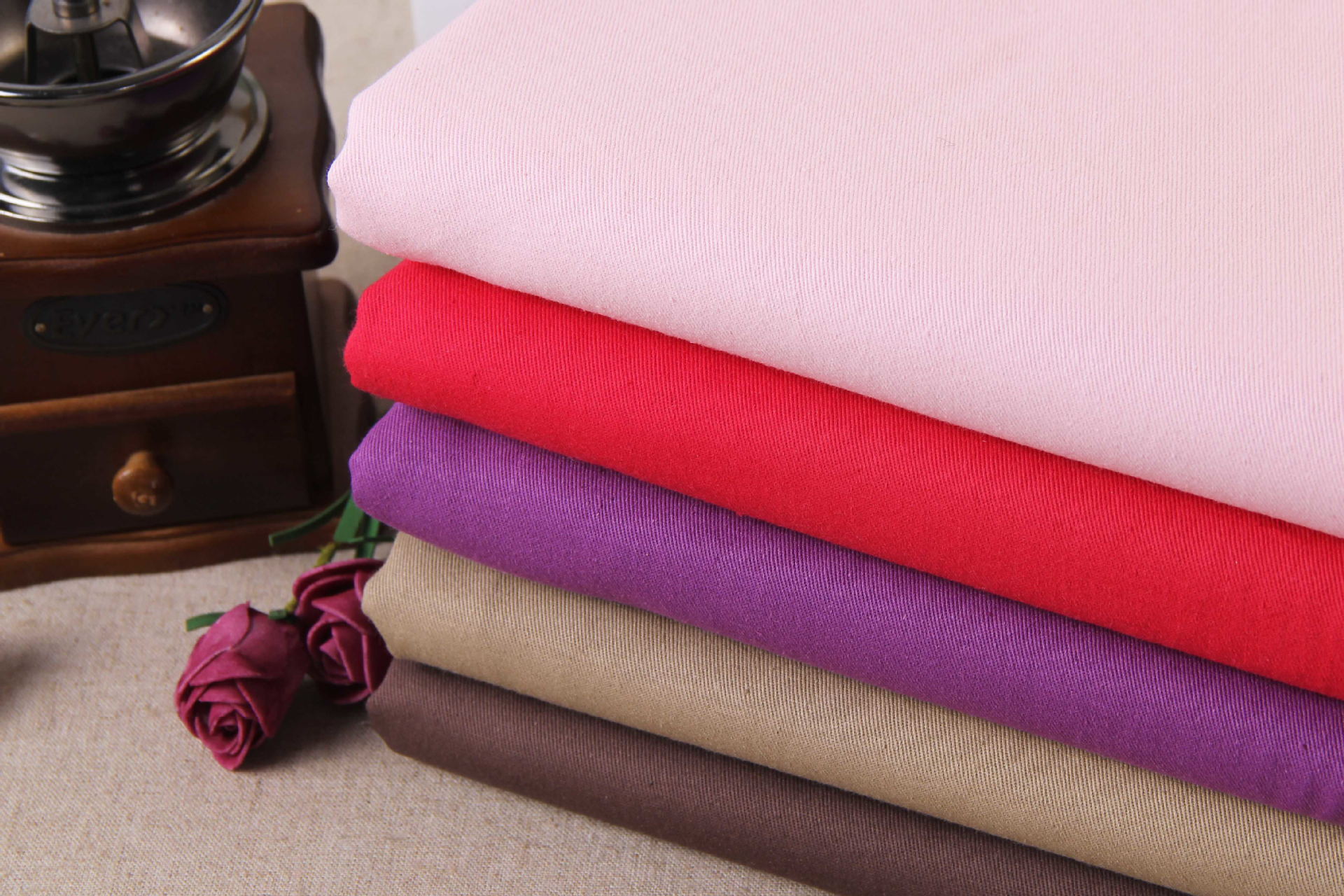
How to find reliable viscose fabric suppliers: a practical sourcing guide
Looking for reliable viscose fabric suppliers in 2026? This practical sourcing guide covers MOQ, certifications, and a ready-to-use RFQ checklist for procurement teams.
Sep 28,2026
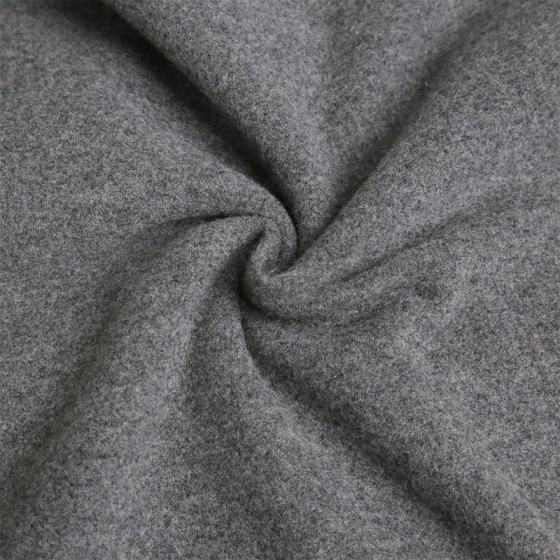
Wholesale fleece fabric buying guide: types, prices & sourcing tips
Complete 2026 guide to wholesale fleece fabric: compare GSM weights, MOQ requirements, tiered pricing, eco-certified rPET options, and project-based selection tips for apparel manufacturers and bulk buyers.
Sep 24,2026
Get in Touch
We sincerely wish to set up a long-term cooperative relationship with you. Welcome you to pay a visit to us.
Contact your comprehensive solution provider W&S immediately !
We produce fashionable fabrics and various men's and women's clothing, but we would prefer to see you collaborate with us.
Quick Link
Garment

Copyright © Nantong Wang and sheng Textile Co., Ltd. All Right Reserved.

Whatsapp: 8615996649800
Looking forward to your call
Tel: +86-15996649800
Looking forward to your call
Email: Nick.wang@ntwangsheng.com
Looking forward to your letter