The Comprehensive Guide to Cotton Dyed Fabrics: Techniques, Applications, and Benefits
Release Time:
Jan 06,2026
Author:
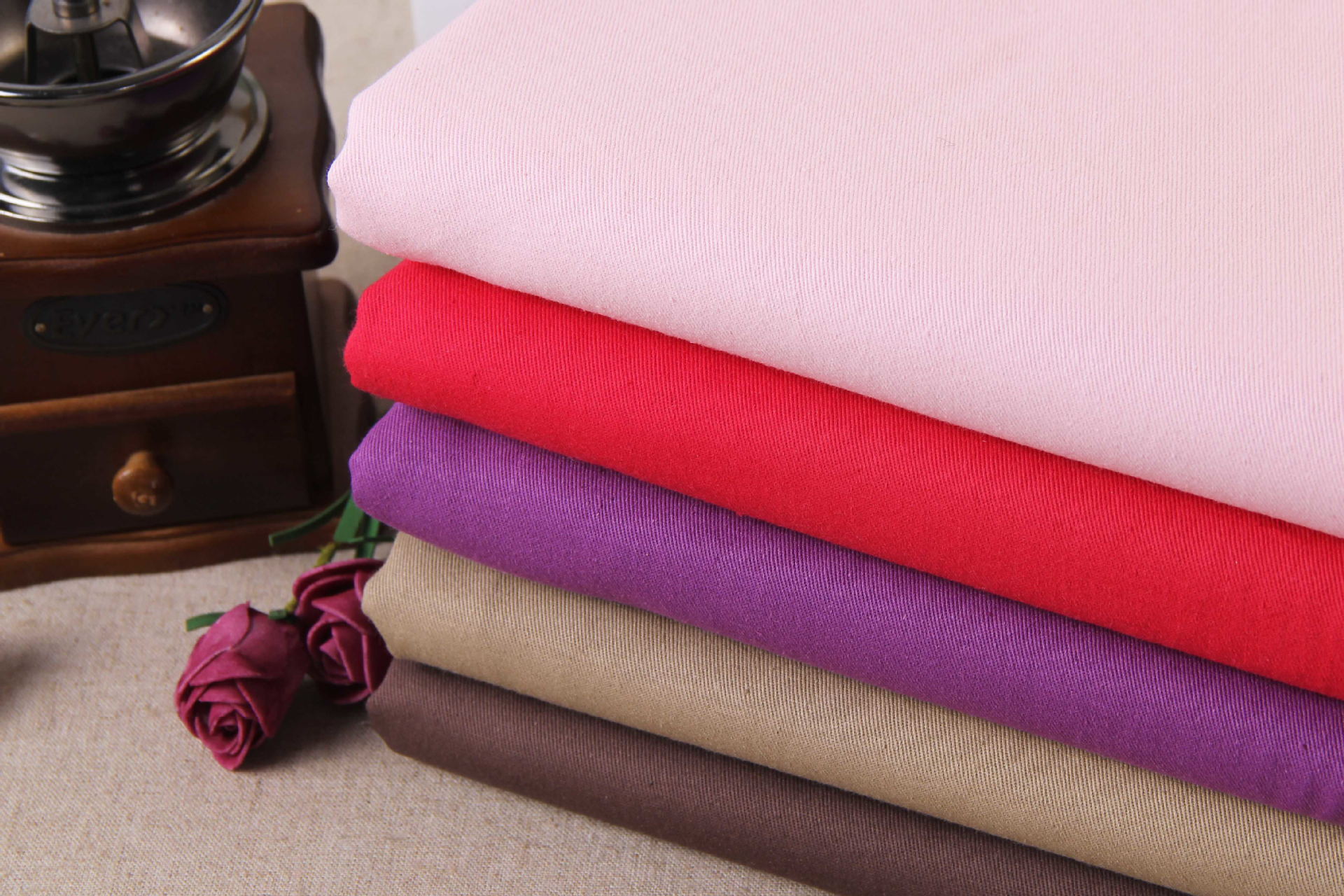
One of the most common methods used in dyeing cotton is reactive dyeing. This technique allows for vibrant colors and excellent wash-fastness, making it ideal for products that require durability, such as clothing and home textiles. Reactive dyes form a covalent bond with the cotton fibers, resulting in colors that are both vivid and long-lasting. Additionally, this method is suitable for various fabric treatments, allowing manufacturers to create a wide range of finishes.
Another popular technique is vat dyeing, which is known for producing deep, rich colors. This process involves the reduction of dyes to a soluble form, which can penetrate the cotton fibers. Once the fabric is exposed to air, the dye oxidizes and becomes insoluble, creating intense hues. Vat dyeing is particularly favored for its excellent lightfastness, making it a preferred choice for outdoor textiles and apparel.
When it comes to applications, cotton dyed fabrics are extremely versatile. They can be used in fashion garments, upholstery, and home textiles, among others. The softness and breathability of cotton make it a comfortable choice for clothing, while its strength and durability make it suitable for more robust applications like curtains and cushion covers.
In addition to aesthetic qualities, cotton dyed fabrics offer numerous benefits in terms of sustainability. Cotton is a natural fiber that is biodegradable, and when dyed using eco-friendly methods, it can significantly reduce the environmental footprint of textile production. Many manufacturers are now adopting organic cotton and low-impact dyeing processes to appeal to the growing market of environmentally conscious consumers.
Furthermore, the market for cotton dyed fabrics is continually evolving, with trends leaning towards customization and personalization. Consumers increasingly seek unique patterns and colors, prompting manufacturers to explore innovative dyeing techniques and treatments. This trend opens new avenues for businesses to differentiate their products and cater to specific customer preferences.
In summary, cotton dyed fabric is an integral part of the textile industry, offering a blend of beauty, durability, and sustainability. By understanding the various dyeing techniques and their applications, professionals in the field can better position themselves to meet consumer demands and drive innovation in their product offerings. Whether you are involved in manufacturing, design, or retail, keeping abreast of developments in cotton dyed fabrics will undoubtedly enhance your competitive edge in the market.
More Events

Bulk fleece fabric buying guide: types, weights, and where to order wholesale
A complete 2026 guide to buying bulk fleece fabric wholesale — covering GSM weight comparisons, fabric types, anti-pill specs, MOQ requirements, sustainability certifications, and how to choose the right fleece fabric supplier for your business.
Oct 09,2026
How to find reliable viscose fabric suppliers: a practical sourcing guide
Looking for reliable viscose fabric suppliers in 2026? This practical sourcing guide covers MOQ, certifications, and a ready-to-use RFQ checklist for procurement teams.
Sep 28,2026

Wholesale fleece fabric buying guide: types, prices & sourcing tips
Complete 2026 guide to wholesale fleece fabric: compare GSM weights, MOQ requirements, tiered pricing, eco-certified rPET options, and project-based selection tips for apparel manufacturers and bulk buyers.
Sep 24,2026
Get in Touch
We sincerely wish to set up a long-term cooperative relationship with you. Welcome you to pay a visit to us.
Contact your comprehensive solution provider W&S immediately !
We produce fashionable fabrics and various men's and women's clothing, but we would prefer to see you collaborate with us.
Quick Link
Garment

Copyright © Nantong Wang and sheng Textile Co., Ltd. All Right Reserved.

Whatsapp: 8615996649800
Looking forward to your call
Tel: +86-15996649800
Looking forward to your call
Email: Nick.wang@ntwangsheng.com
Looking forward to your letter