Understanding Printed Cloth Fabric: A Comprehensive Guide for Textile Professionals
Release Time:
Jan 10,2026
Author:
The primary types of printed cloth fabric include rotary screen printing, digital printing, and block printing. Each technique has its unique advantages and applications. Rotary screen printing is highly efficient for large runs and produces consistent results, making it ideal for mass production. Digital printing, on the other hand, offers greater flexibility and customization options, allowing you to create intricate designs on demand. Block printing, while more traditional and labor-intensive, provides a unique texture and aesthetic that appeals to niche markets.
When considering printed cloth fabric, it’s essential to evaluate the fabric base. Common materials include cotton, polyester, silk, and blends. The choice of fabric affects not only the print quality but also the fabric’s durability, drape, and comfort. For instance, cotton is breathable and versatile, making it suitable for casual wear, while polyester offers strength and wrinkle resistance, ideal for activewear and home textiles.
Moreover, understanding colorfastness and washability is crucial when selecting printed fabrics. Different dyes and printing methods yield varying results in terms of color retention and resistance to fading. Clients often seek printed fabrics that will maintain their vibrancy after multiple washes, so it’s crucial to test samples and ensure that the fabric meets these standards.
Another consideration is the environmental impact of the printing process. The textile industry is increasingly focusing on sustainability, and many professionals are exploring eco-friendly printing methods and materials. Water-based inks, organic fabrics, and low-impact dyes are gaining popularity among consumers who prioritize sustainability. By offering printed cloth fabric that aligns with these values, you can cater to a growing market segment while enhancing your brand’s reputation.
Lastly, keeping up with current trends in printed cloth fabric is vital. Whether it’s floral patterns, geometric designs, or abstract prints, staying informed allows you to meet customer demands and stay ahead of competitors. Regularly researching industry developments, attending trade shows, and networking with other professionals can provide valuable insights into emerging trends and consumer preferences.
In conclusion, understanding printed cloth fabric encompasses various aspects, from printing techniques and fabric bases to sustainability and market trends. By honing your knowledge in these areas, you can better serve your clients and enhance your offerings in the competitive textile landscape.
More Events

Bulk fleece fabric buying guide: types, weights, and where to order wholesale
A complete 2026 guide to buying bulk fleece fabric wholesale — covering GSM weight comparisons, fabric types, anti-pill specs, MOQ requirements, sustainability certifications, and how to choose the right fleece fabric supplier for your business.
Oct 09,2026
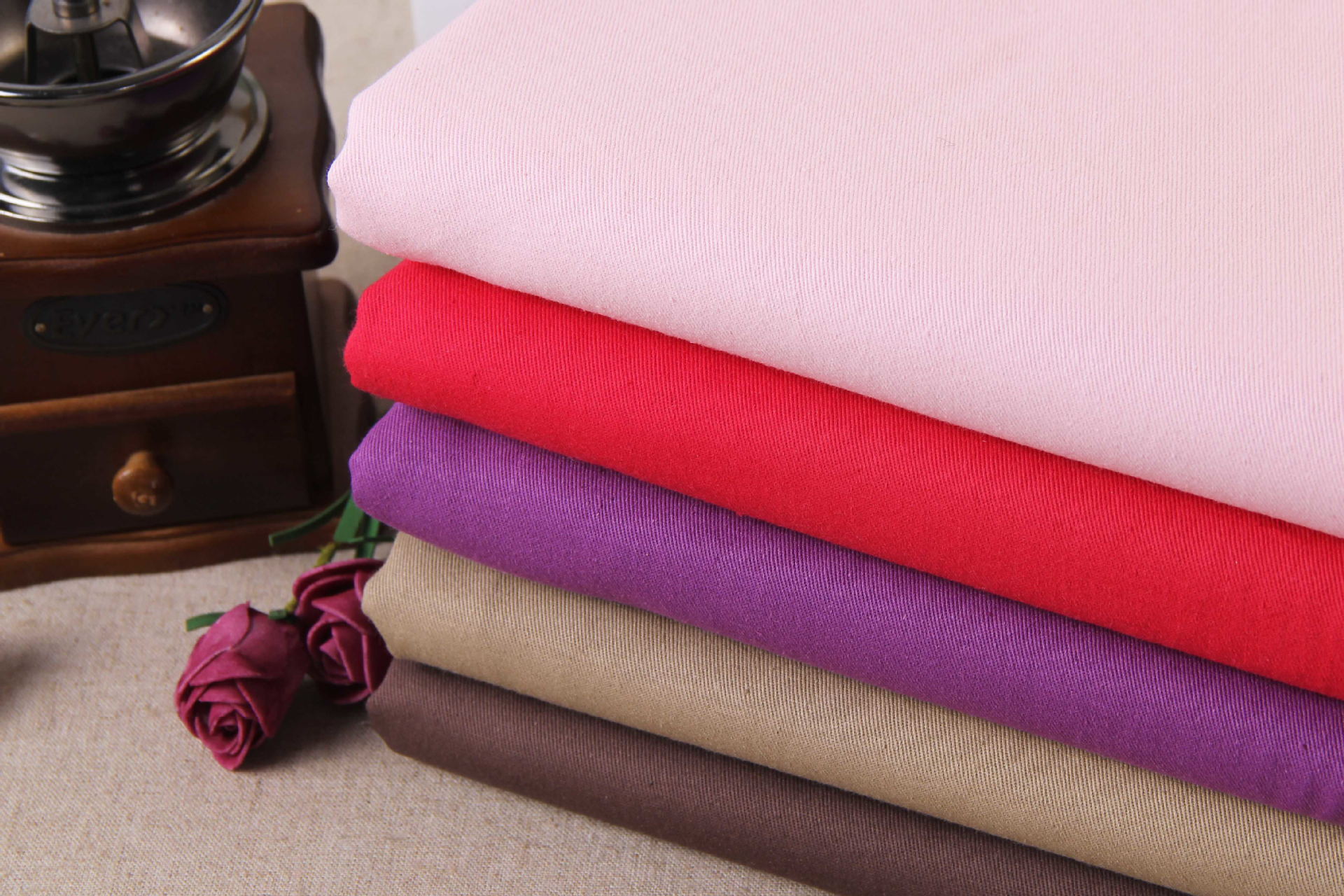
How to find reliable viscose fabric suppliers: a practical sourcing guide
Looking for reliable viscose fabric suppliers in 2026? This practical sourcing guide covers MOQ, certifications, and a ready-to-use RFQ checklist for procurement teams.
Sep 28,2026
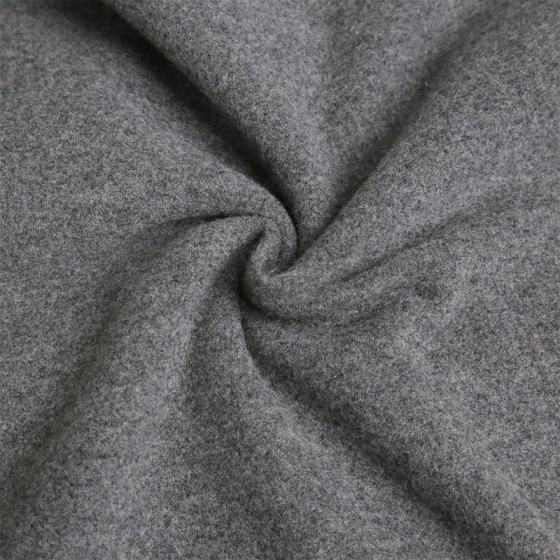
Wholesale fleece fabric buying guide: types, prices & sourcing tips
Complete 2026 guide to wholesale fleece fabric: compare GSM weights, MOQ requirements, tiered pricing, eco-certified rPET options, and project-based selection tips for apparel manufacturers and bulk buyers.
Sep 24,2026
Get in Touch
We sincerely wish to set up a long-term cooperative relationship with you. Welcome you to pay a visit to us.
Contact your comprehensive solution provider W&S immediately !
We produce fashionable fabrics and various men's and women's clothing, but we would prefer to see you collaborate with us.
Quick Link
Garment

Copyright © Nantong Wang and sheng Textile Co., Ltd. All Right Reserved.

Whatsapp: 8615996649800
Looking forward to your call
Tel: +86-15996649800
Looking forward to your call
Email: Nick.wang@ntwangsheng.com
Looking forward to your letter