What Makes Digital Printed Fabric a Smart Choice for Fashion Brands?
Release Time:
Jan 17,2026
Author:
What Makes Digital Printed Fabric a Smart Choice for Fashion Brands?
Table of Contents
- 1. Introduction to Digital Printed Fabric
- 2. The Technology Behind Digital Fabric Printing
- 3. Advantages of Digital Printed Fabric for Fashion Brands
- 3.1 Flexibility in Design and Customization
- 3.2 Cost-Effectiveness for Fashion Brands
- 3.3 Environmental Sustainability of Digital Printing
- 4. Current Market Trends in Digital Fabric Printing
- 5. Case Studies of Successful Fashion Brands Using Digital Printing
- 6. Challenges and Considerations in Digital Fabric Printing
- 7. The Future of Digital Printed Fabric in Fashion
- 8. Conclusion
- 9. Frequently Asked Questions
1. Introduction to Digital Printed Fabric
Digital printed fabric has emerged as a revolutionary technique within the textile and fashion industries. In contrast to traditional printing methods, digital printing employs advanced technology that enables direct printing onto the fabric from a digital file. This innovation not only enhances the quality of designs but also aligns perfectly with the contemporary demands of fashion brands for speed and customization.
As consumer preferences shift toward unique and personalized products, fashion brands are increasingly recognizing the advantages of adopting digital printing. This article explores the reasons why digital printed fabric is a smart choice for fashion brands, highlighting its technological advancements, benefits, and future potential.
2. The Technology Behind Digital Fabric Printing
Digital fabric printing utilizes specialized inkjet technology to apply designs directly onto textiles. This method is characterized by its precision and ability to produce highly detailed images with vibrant colors.
How Digital Printing Works
At the heart of digital printing is a computer-controlled printer that translates digital images into print. The process involves several crucial steps:
1. **Design Creation**: Fashion designers create digital patterns using software, ensuring the design meets the desired aesthetic.
2. **Color Management**: Advanced color profiling is utilized to ensure accurate color representation, allowing brands to achieve their vision.
3. **Printing Process**: The digital printer applies ink directly to the fabric, layer by layer. The ink penetrates the fibers, resulting in vivid imagery that’s durable and resistant to fading.
Types of Digital Printing Technologies
There are mainly two types of digital fabric printing technologies:
1. **Dye Sublimation Printing**: This method involves printing designs onto transfer paper, which is then heat-pressed onto the fabric. It’s ideal for synthetic materials and offers vibrant colors and durability.
2. **Direct-to-Fabric Printing (DTF)**: In this process, inks are applied directly to the fabric itself without the use of transfer paper. DTF works on a variety of materials, including cotton, silk, and polyester.
3. Advantages of Digital Printed Fabric for Fashion Brands
Digital printed fabric presents numerous advantages tailored to the needs of modern fashion brands. Below, we delve into the key benefits that make this technology a game-changer in the industry.
3.1 Flexibility in Design and Customization
One of the most significant advantages of digital printing is its **flexibility in design**. Traditional printing methods often require extensive setups that can be costly and time-consuming. In contrast, digital printing allows for rapid prototyping and the ability to create complex patterns without additional costs.
- **Short Run Printing**: Brands can produce small batches of unique designs, catering to niche markets and limited-edition collections.
- **Personalization**: Digital printing enables brands to offer personalized products, such as custom prints for individual customers, enhancing customer engagement and satisfaction.
3.2 Cost-Effectiveness for Fashion Brands
Digital fabric printing can be more cost-effective than traditional methods, especially for small production runs. Here’s how:
- **Reduced Waste**: Traditional printing often results in excess fabric and ink waste. Digital printing minimizes this waste by using only the required amount of materials for each print.
- **Lower Setup Costs**: Without the need for screen preparation or extensive setup, brands can save on initial costs, making it accessible for startups and smaller companies.
3.3 Environmental Sustainability of Digital Printing
As sustainability becomes a focal point in the fashion industry, digital printed fabric shines as an eco-friendly option.
- **Water Savings**: Digital printing uses significantly less water than traditional dyeing and printing methods, reducing the overall environmental footprint.
- **Reduced Chemical Usage**: By utilizing eco-friendly inks and fewer harmful chemicals, digital printing helps brands adhere to stricter environmental regulations and standards.
4. Current Market Trends in Digital Fabric Printing
The trends within the digital fabric printing market reflect a growing demand for innovative and sustainable solutions.
- **Rapid Growth**: The digital textile printing market is expected to witness substantial growth, driven by increasing adoption rates among fashion brands and the rise of on-demand production.
- **Integration with E-commerce**: Brands are leveraging digital printing technology to offer online customization options, capitalizing on the booming e-commerce market.
5. Case Studies of Successful Fashion Brands Using Digital Printing
Examining the success stories of brands using digital printing can provide valuable insights into its practicality and potential.
Case Study 1: Zara
Zara has effectively integrated digital printing into its supply chain, allowing for rapid deployment of new designs while minimizing inventory costs. Their strategy focuses on fast fashion, utilizing digital prints to provide fresh, trendy designs that resonate with consumers.
Case Study 2: Nike
Nike has embraced digital printing to create personalized products. Their customizable shoes allow consumers to choose colors and designs, demonstrating how digital printing can enhance customer engagement while driving sales.
6. Challenges and Considerations in Digital Fabric Printing
While digital printing boasts several advantages, it’s essential to acknowledge the challenges that brands may face.
- **Initial Investment**: The upfront costs for digital printing equipment can be high, which may deter smaller brands from making the switch.
- **Limited Fabric Compatibility**: Not all fabrics are suitable for digital printing, which can limit design options for certain collections.
7. The Future of Digital Printed Fabric in Fashion
The future of digital printed fabric looks promising as technology continues to evolve. Innovations like improved ink formulations and faster printing speeds will likely reduce costs and increase efficiency.
- **Smart Fabrics**: The integration of technology into fabric printing could lead to the creation of innovative materials that change color or pattern based on environmental stimuli, offering new avenues for fashion creativity.
8. Conclusion
Digital printed fabric is undeniably reshaping the fashion industry, providing brands with the tools to innovate and adapt to market demands. From flexible design options to sustainability benefits, the advantages are clear. As technology advances and consumer preferences evolve, digital printing will likely become a staple for fashion brands seeking to maintain relevance and compete in an increasingly dynamic marketplace.
9. Frequently Asked Questions
What is digital fabric printing?
Digital fabric printing is a method that uses digital technology to print designs directly onto textiles, allowing for high-quality and detailed imagery.
How does digital printing differ from traditional printing methods?
Unlike traditional printing, which involves screens and extensive setups, digital printing allows for direct printing from digital files, making it faster and more cost-effective for small runs.
What types of fabrics can be digitally printed?
Most fabrics, including cotton, polyester, silk, and blends, can be digitally printed, although the best results are often seen with synthetic materials.
Is digital printing environmentally friendly?
Yes, digital printing is generally more environmentally friendly than traditional methods, as it uses less water and fewer harmful chemicals, contributing to a reduced ecological footprint.
Can small fashion brands benefit from digital printing?
Absolutely! Digital printing offers small fashion brands flexibility in design, lower production costs, and the opportunity to create unique, customized products without the need for large inventories.
More Events

Bulk fleece fabric buying guide: types, weights, and where to order wholesale
A complete 2026 guide to buying bulk fleece fabric wholesale — covering GSM weight comparisons, fabric types, anti-pill specs, MOQ requirements, sustainability certifications, and how to choose the right fleece fabric supplier for your business.
Oct 09,2026
How to find reliable viscose fabric suppliers: a practical sourcing guide
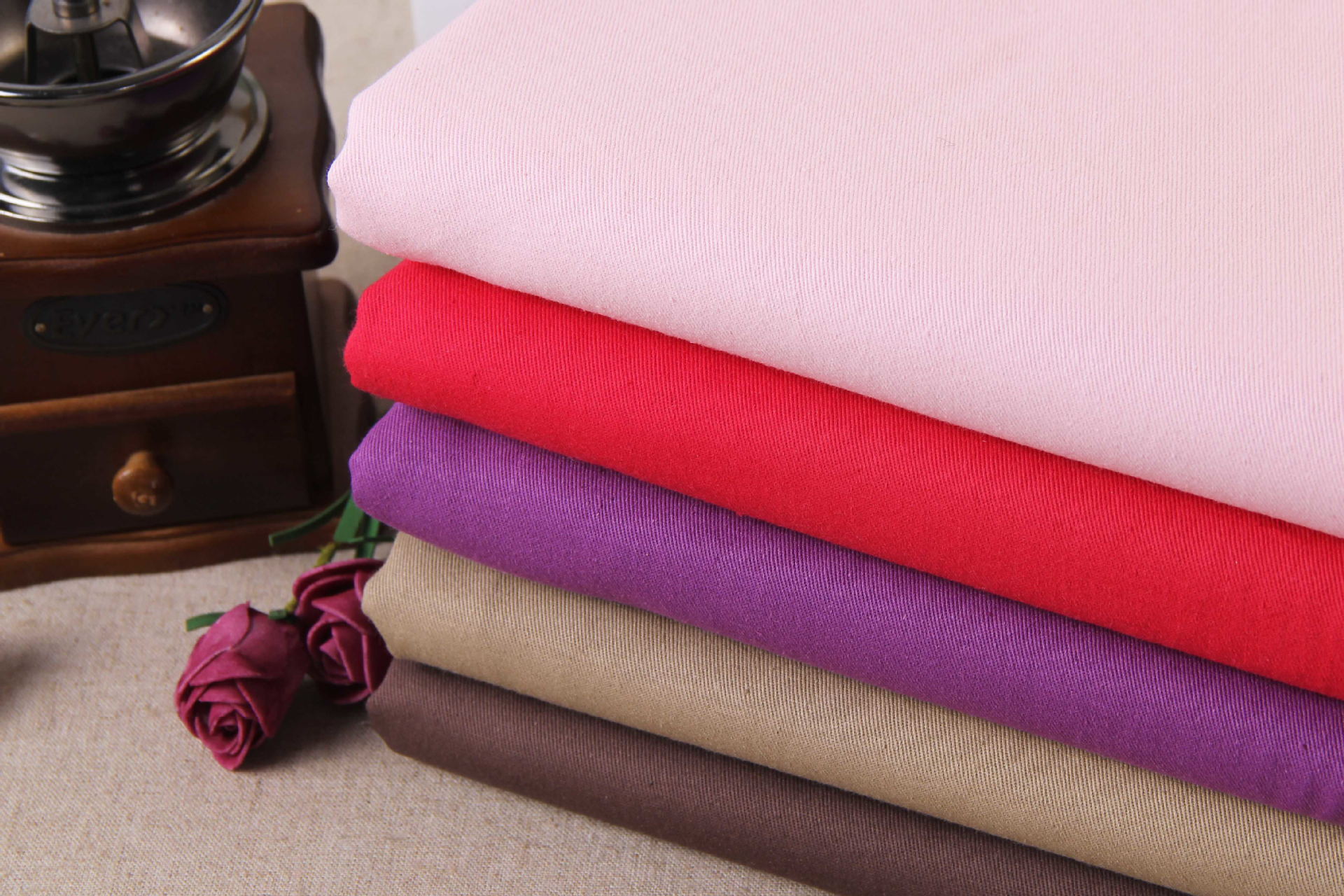
Looking for reliable viscose fabric suppliers in 2026? This practical sourcing guide covers MOQ, certifications, and a ready-to-use RFQ checklist for procurement teams.
Sep 28,2026
Wholesale fleece fabric buying guide: types, prices & sourcing tips
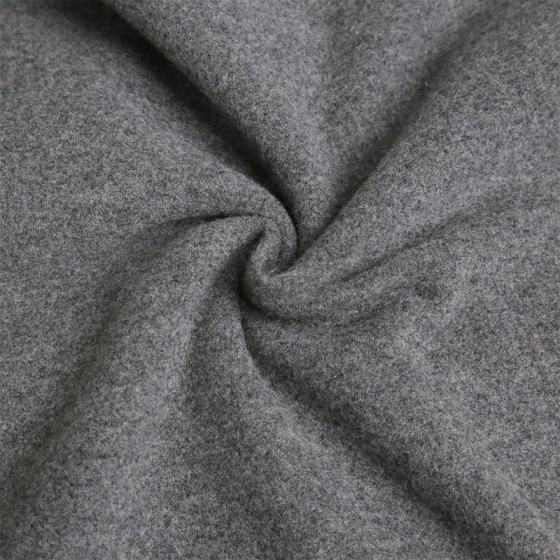
Complete 2026 guide to wholesale fleece fabric: compare GSM weights, MOQ requirements, tiered pricing, eco-certified rPET options, and project-based selection tips for apparel manufacturers and bulk buyers.
Sep 24,2026
Get in Touch
We sincerely wish to set up a long-term cooperative relationship with you. Welcome you to pay a visit to us.
Contact your comprehensive solution provider W&S immediately !
We produce fashionable fabrics and various men's and women's clothing, but we would prefer to see you collaborate with us.
Quick Link
Garment

Copyright © Nantong Wang and sheng Textile Co., Ltd. All Right Reserved.

Whatsapp: 8615996649800
Looking forward to your call
Tel: +86-15996649800
Looking forward to your call
Email: Nick.wang@ntwangsheng.com
Looking forward to your letter