
Understanding Printed Cloth Fabric: A Guide for Textile Professionals
Release Time:
Jan 20,2026
Author:
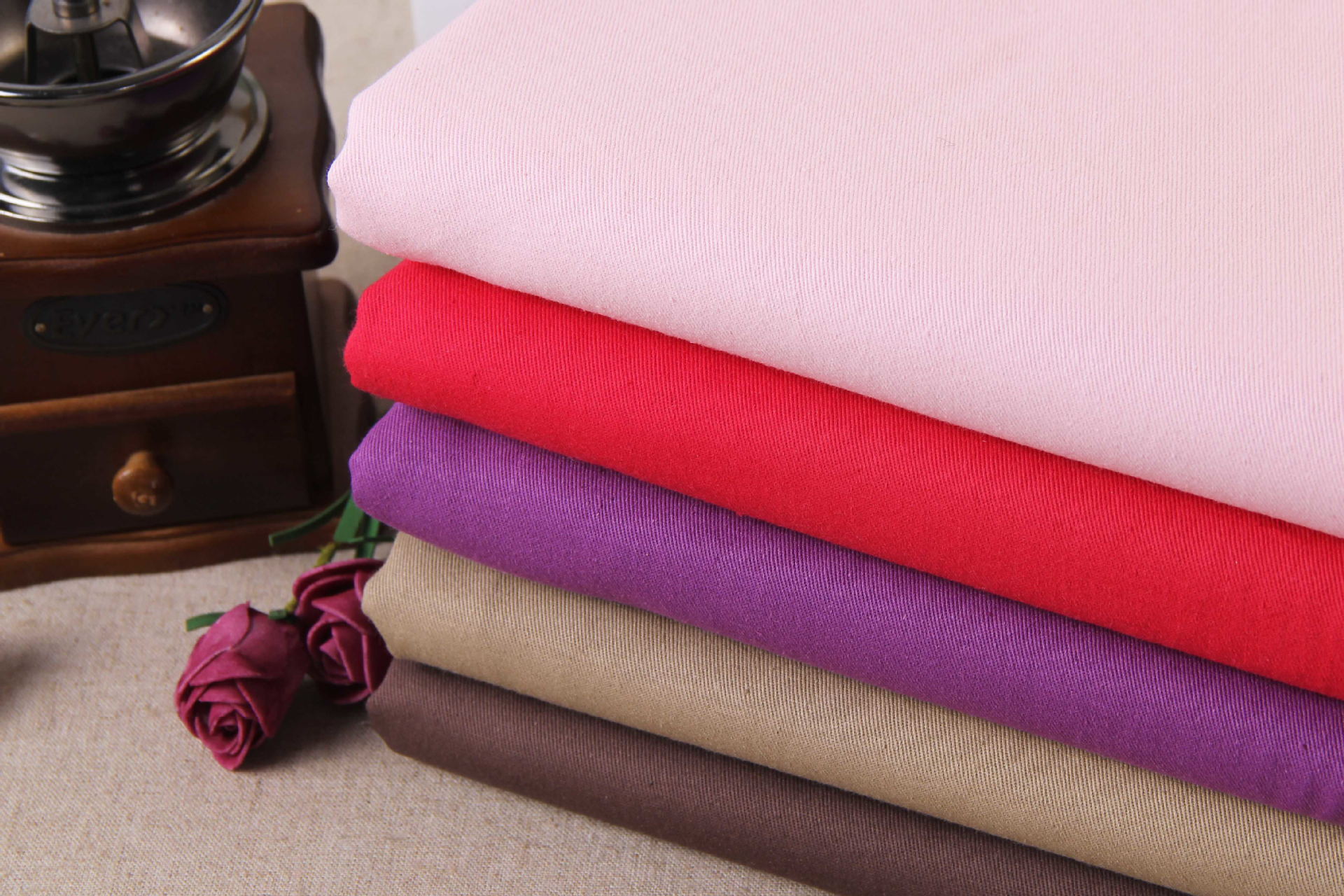
One of the primary techniques for creating printed cloth fabric is screen printing, where ink is applied directly onto the fabric through a mesh screen. This method allows for vibrant colors and intricate designs, making it popular for fashion and home textiles. Alternatively, digital printing has gained traction in recent years, offering the flexibility to create complex patterns with precision and reduced waste. Professionals should consider the advantages and limitations of each method when selecting the best approach for their projects.
The types of prints available for cloth fabric are diverse, ranging from traditional block prints to modern digital designs. Each style has its unique characteristics and applications. For example, floral patterns often evoke a sense of elegance, making them suitable for women's clothing and home decor, while geometric prints can convey a contemporary feel, appealing to a younger demographic. Understanding these trends can assist professionals in aligning their products with market demands.
When working with printed cloth fabric, several factors must be taken into consideration. Fabric composition is critical; natural fibers such as cotton and linen absorb dyes differently than synthetic materials like polyester. This variability can impact the final appearance and durability of the printed fabric. Furthermore, the intended use of the fabric—whether for garments, upholstery, or accessories—will influence the choice of materials and printing processes.
Sustainability is another pressing concern in the textile industry. As awareness of environmental issues grows, many professionals are seeking eco-friendly printing options and sustainable materials. Water-based inks and organic fabrics are gaining popularity as consumers become more conscious of their purchasing decisions. Professionals in the printed cloth fabric sector should stay informed about these trends to meet customer expectations and enhance their brand reputation.
In conclusion, understanding printed cloth fabric involves more than just knowing how it is made. Professionals must consider production methods, design trends, material properties, and sustainability practices. By gaining a comprehensive understanding of these elements, industry professionals can make informed decisions that enhance their offerings and contribute to their success in the competitive textile market. Embracing innovation while respecting traditional techniques will be key to thriving in the ever-evolving landscape of printed fabrics.
More Events

Bulk fleece fabric buying guide: types, weights, and where to order wholesale
A complete 2026 guide to buying bulk fleece fabric wholesale — covering GSM weight comparisons, fabric types, anti-pill specs, MOQ requirements, sustainability certifications, and how to choose the right fleece fabric supplier for your business.
Oct 09,2026
How to find reliable viscose fabric suppliers: a practical sourcing guide
Looking for reliable viscose fabric suppliers in 2026? This practical sourcing guide covers MOQ, certifications, and a ready-to-use RFQ checklist for procurement teams.
Sep 28,2026

Wholesale fleece fabric buying guide: types, prices & sourcing tips
Complete 2026 guide to wholesale fleece fabric: compare GSM weights, MOQ requirements, tiered pricing, eco-certified rPET options, and project-based selection tips for apparel manufacturers and bulk buyers.
Sep 24,2026
Get in Touch
We sincerely wish to set up a long-term cooperative relationship with you. Welcome you to pay a visit to us.
Contact your comprehensive solution provider W&S immediately !
We produce fashionable fabrics and various men's and women's clothing, but we would prefer to see you collaborate with us.
Quick Link
Garment

Copyright © Nantong Wang and sheng Textile Co., Ltd. All Right Reserved.

Whatsapp: 8615996649800
Looking forward to your call
Tel: +86-15996649800
Looking forward to your call
Email: Nick.wang@ntwangsheng.com
Looking forward to your letter