
How Printed Cloth Fabric Elevates Product Packaging Design for Modern Brands
Release Time:
Feb 14,2026
Author:
How Printed Cloth Fabric Enhances Product Packaging Design
Table of Contents
- 1. Introduction to Printed Cloth Fabric in Packaging
- 2. Benefits of Using Printed Cloth Fabric
- 3. Design Possibilities with Printed Cloth Fabric
- 4. The Role of Sustainability in Printed Cloth Packaging
- 5. Practical Applications of Printed Cloth in Packaging
- 6. Case Studies: Brands Excelling with Printed Cloth
- 7. Current Trends in Printed Cloth Fabric Packaging
- 8. Frequently Asked Questions
- 9. Conclusion
1. Introduction to Printed Cloth Fabric in Packaging
In the competitive landscape of modern retail, **product packaging** plays a crucial role in attracting consumers and enhancing brand identity. Among various materials, **printed cloth fabric** has emerged as a versatile option that not only serves functional purposes but also adds an artistic flair to product presentation. This article delves into how printed cloth fabric enhances product packaging design, exploring its benefits, design possibilities, sustainability aspects, and practical applications in various industries.
2. Benefits of Using Printed Cloth Fabric
The advantages of incorporating printed cloth fabric into product packaging are extensive. Here are some key benefits:
2.1 Aesthetic Appeal
Printed cloth fabric offers unique textures and vibrant colors that can attract attention on retail shelves. The tactile nature of cloth can evoke a sense of luxury and quality, making products appear more premium.
2.2 Versatility in Design
With the ability to print intricate designs, logos, and graphics directly onto fabric, brands can create bespoke packaging solutions that resonate with their target audience. This versatility allows for customization to meet specific branding needs.
2.3 Enhanced Brand Recognition
Utilizing printed cloth fabric can significantly enhance brand visibility. Unique designs and patterns can become instantly recognizable, fostering stronger brand recall among consumers.
2.4 Durability and Reusability
Unlike traditional paper packaging, cloth fabric is more durable and can be reused multiple times. This durability not only protects the product during shipping and handling but also provides consumers with a value-added item they can use beyond their initial purchase.
3. Design Possibilities with Printed Cloth Fabric
The possibilities for design with printed cloth fabric are nearly limitless. Brands have embraced various styles and techniques to create visually stunning packaging.
3.1 Screen Printing
Screen printing remains one of the most popular techniques for applying designs to cloth. This method allows for vivid colors and intricate patterns that can truly stand out.
3.2 Digital Printing
Advancements in technology have facilitated the rise of digital printing on cloth, enabling brands to produce smaller batches of customized designs quickly and efficiently.
3.3 Embroidery and Appliqué
Combining printed designs with embroidery or appliqué adds depth and texture to packaging, offering a luxurious touch that appeals to high-end markets.
3.3.1 Embroidered Logos
Incorporating embroidered logos into the design can elevate the perceived value of the product, making it more appealing to discerning consumers.
3.3.2 Appliqué Techniques
Using appliqué techniques allows for layered designs, where different fabrics can be combined to create a unique look and feel that stands out.
4. The Role of Sustainability in Printed Cloth Packaging
As consumers increasingly prioritize sustainability, printed cloth fabric emerges as an eco-friendly alternative to traditional plastic packaging.
4.1 Biodegradable Options
Many printed cloth fabrics are made from natural fibers such as cotton, linen, or hemp, which are biodegradable and reduce environmental impact.
4.2 Recyclability
Cloth packaging can often be recycled or repurposed, offering consumers an environmentally friendly option that aligns with their values.
4.3 Supporting Ethical Practices
Brands that use printed cloth fabric can also tell a story about their commitment to ethical sourcing and fair labor practices, enhancing their brand image and attracting conscientious consumers.
5. Practical Applications of Printed Cloth in Packaging
Printed cloth fabric finds its place across several industries, showcasing its versatility and appeal.
5.1 Fashion and Apparel
In the fashion industry, printed cloth bags and pouches are often used for packaging clothing items, providing a stylish and reusable option for consumers.
5.2 Food and Beverage
Many artisanal food brands utilize printed cloth for packaging gourmet products, creating an upscale presentation that appeals to food enthusiasts.
5.3 Craft and Gift Packaging
Craft brands and gift shops frequently use printed cloth to wrap products, offering a unique and personalized touch that enhances the gifting experience.
6. Case Studies: Brands Excelling with Printed Cloth
Examining successful brands can provide insights into how printed cloth fabric enhances product packaging.
6.1 Eco-Friendly Apparel Brand: Patagonia
Patagonia utilizes recycled cloth in their packaging, aligning with their sustainability mission while also offering aesthetically pleasing and practical packaging solutions.
6.2 Gourmet Food Brand: Artisan Bread Company
This brand uses printed cloth bags to package their artisan bread, creating a rustic look that resonates with their target market and enhances the overall customer experience.
7. Current Trends in Printed Cloth Fabric Packaging
Staying abreast of current trends in printed cloth fabric packaging can help brands innovate and stay competitive.
7.1 Personalized Packaging Solutions
Consumers seek personalized experiences, and brands can leverage printed cloth fabric to create packages that cater to individual preferences and styles.
7.2 Minimalist Designs
The minimalist trend emphasizes simplicity and elegance, using printed cloth with clean lines and subtle designs that resonate with modern aesthetics.
7.3 Vintage and Retro Styles
Vintage-inspired designs are making a comeback, with brands adopting retro patterns and colors that evoke nostalgia and appeal to a wide audience.
8. Frequently Asked Questions
8.1 What types of printed cloth fabrics are commonly used for packaging?
Common types of printed cloth fabrics include cotton, linen, canvas, and burlap, each offering different textures and appearances.
8.2 Is printed cloth fabric eco-friendly?
Yes, many printed cloth fabrics are made from natural fibers and can be biodegradable, making them an eco-friendly packaging option.
8.3 How can brands ensure the quality of printed cloth packaging?
Brands should work with reputable suppliers who use high-quality printing techniques and materials to ensure the durability and aesthetic appeal of their packaging.
8.4 Can printed cloth packaging be customized?
Absolutely! Printed cloth packaging can be tailored to meet specific branding and design needs, offering a unique solution for businesses.
8.5 What industries benefit from using printed cloth fabric in packaging?
Various industries, including fashion, food and beverage, crafts, and personal care, can benefit from the unique advantages of printed cloth fabric in packaging.
9. Conclusion
In conclusion, printed cloth fabric stands out as a transformative element in product packaging design. Its aesthetic appeal, versatility, and sustainability make it an attractive option for brands looking to enhance their packaging and create memorable experiences for consumers. By leveraging the unique qualities of printed cloth, brands can differentiate themselves in a crowded marketplace and foster stronger connections with their target audience. As trends continue to evolve, embracing this innovative packaging material will undoubtedly position brands favorably for future success.
More Events

Bulk fleece fabric buying guide: types, weights, and where to order wholesale
A complete 2026 guide to buying bulk fleece fabric wholesale — covering GSM weight comparisons, fabric types, anti-pill specs, MOQ requirements, sustainability certifications, and how to choose the right fleece fabric supplier for your business.
Oct 09,2026
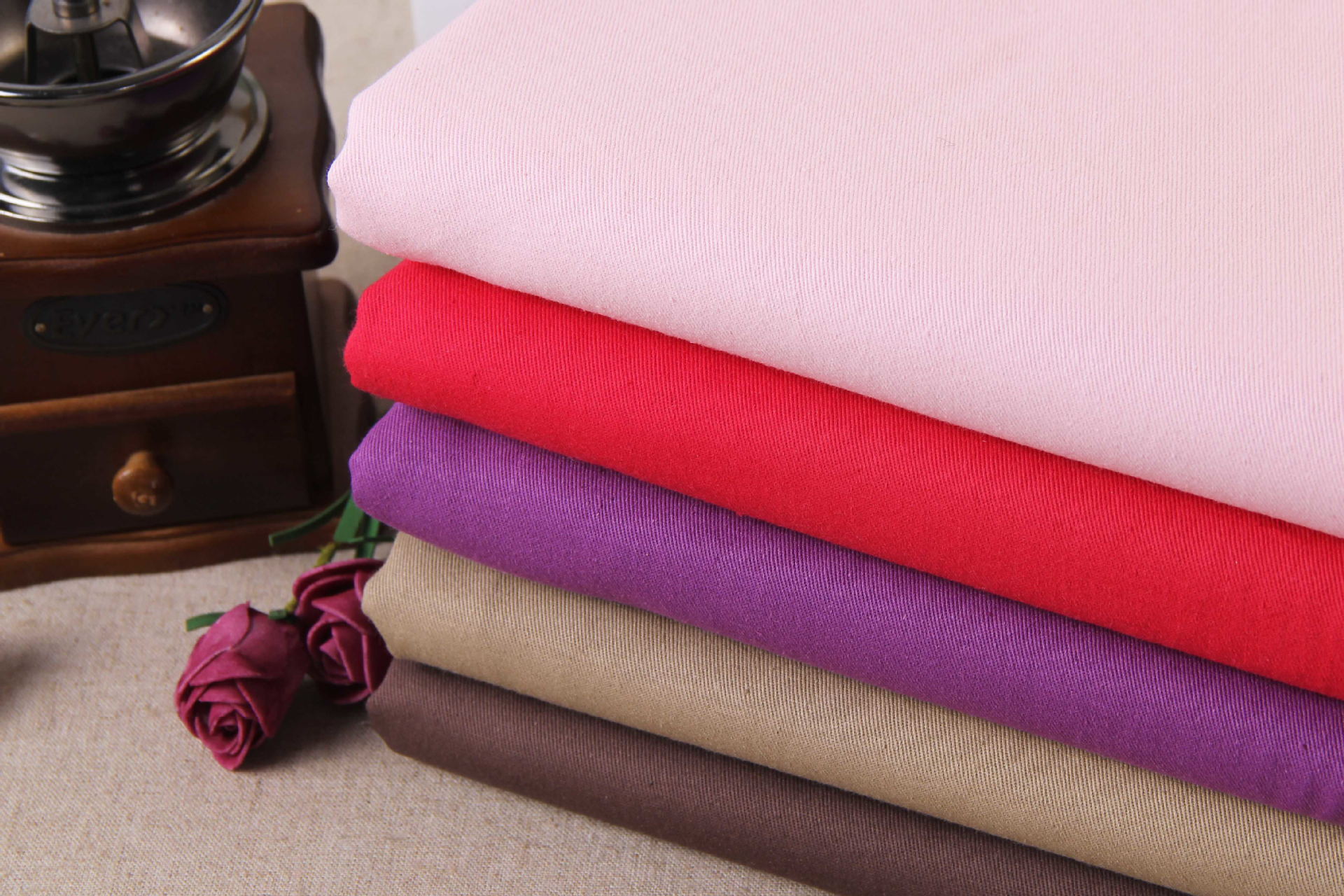
How to find reliable viscose fabric suppliers: a practical sourcing guide
Looking for reliable viscose fabric suppliers in 2026? This practical sourcing guide covers MOQ, certifications, and a ready-to-use RFQ checklist for procurement teams.
Sep 28,2026
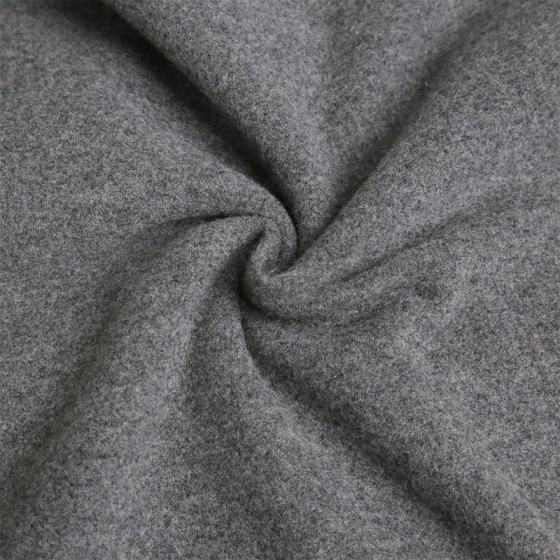
Wholesale fleece fabric buying guide: types, prices & sourcing tips
Complete 2026 guide to wholesale fleece fabric: compare GSM weights, MOQ requirements, tiered pricing, eco-certified rPET options, and project-based selection tips for apparel manufacturers and bulk buyers.
Sep 24,2026
Get in Touch
We sincerely wish to set up a long-term cooperative relationship with you. Welcome you to pay a visit to us.
Contact your comprehensive solution provider W&S immediately !
We produce fashionable fabrics and various men's and women's clothing, but we would prefer to see you collaborate with us.
Quick Link
Garment

Copyright © Nantong Wang and sheng Textile Co., Ltd. All Right Reserved.

Whatsapp: 8615996649800
Looking forward to your call
Tel: +86-15996649800
Looking forward to your call
Email: Nick.wang@ntwangsheng.com
Looking forward to your letter