
A Comprehensive Beginner's Guide to Sewing with Cotton Dyed Fabric: Tips, Techniques, and Projects
Release Time:
Mar 04,2026
Author:
A Beginner's Guide to Sewing with Cotton Dyed Fabric
Sewing with cotton dyed fabric is a delightful experience that allows crafters and hobbyists to express their creativity while producing functional and beautiful items. Cotton, known for its softness, durability, and breathability, becomes even more appealing when dyed in vibrant colors and patterns. In this comprehensive guide, we will explore everything you need to know about sewing with cotton dyed fabric, from selecting the right material to completing your first project.
Table of Contents
- What is Cotton Dyed Fabric?
- Benefits of Sewing with Cotton Dyed Fabric
- Choosing the Right Cotton Dyed Fabric for Your Project
- Essential Tools and Supplies for Sewing with Cotton Dyed Fabric
- Preparing Your Fabric for Sewing
- Basic Sewing Techniques for Cotton Dyed Fabric
- Project Ideas for Beginners Using Cotton Dyed Fabric
- Care and Maintenance of Cotton Dyed Fabric
- Frequently Asked Questions
- Conclusion
What is Cotton Dyed Fabric?
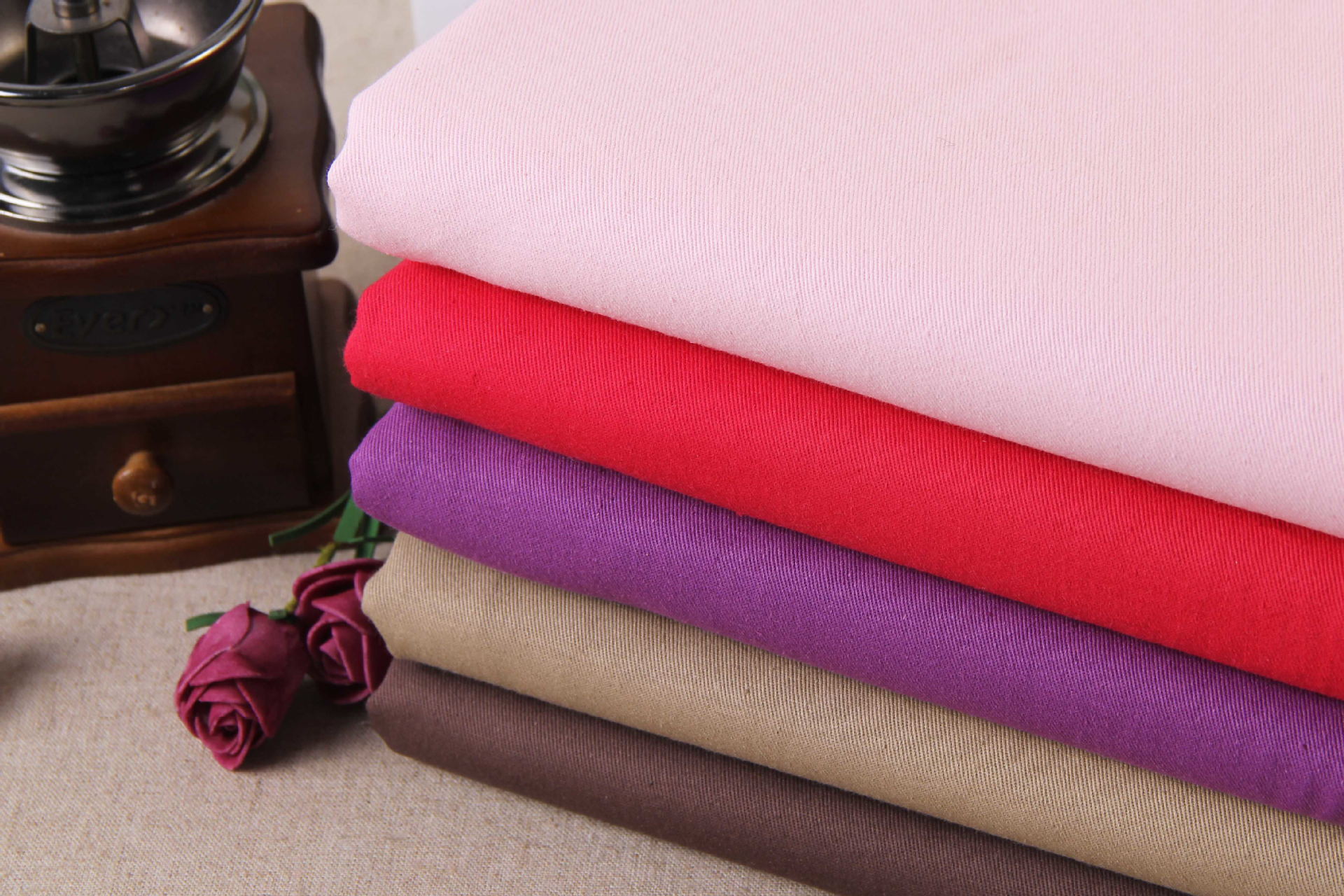
Cotton dyed fabric is a textile made from natural cotton fibers that undergoes a dyeing process, resulting in a wide array of colors and patterns. This fabric is not only versatile but also highly popular among sewing enthusiasts due to its ease of use, softness, and ability to hold dyes well. Cotton dyed fabric can range from solid colors to intricate patterns, making it suitable for various sewing projects, from garments to home decor.
Understanding the Dyeing Process
The dyeing process involves immersing the cotton fabric in a dye solution, which allows the color to penetrate the fibers. This process may vary depending on the type of dye used, such as natural or synthetic dyes. The result is a fabric that is not only visually appealing but also retains its quality over time when properly cared for.
Benefits of Sewing with Cotton Dyed Fabric
Sewing with cotton dyed fabric offers numerous advantages that make it a preferred choice for many crafters. Here are some key benefits:
- Comfort: Cotton is breathable and soft, making it comfortable to wear and use in various applications.
- Dye Versatility: The ability of cotton to hold dye well means you can choose from an extensive range of colors and patterns.
- Durability: Cotton dyed fabric is durable and can withstand regular wear and tear, making it ideal for clothing and home goods.
- Easy to Care For: Most cotton fabrics are machine washable and easy to maintain, which is perfect for everyday items.
- Eco-Friendly: Cotton is a natural fiber, and when sourced sustainably, it can be a more eco-friendly option than synthetic fabrics.
Choosing the Right Cotton Dyed Fabric for Your Project
Selecting the right cotton dyed fabric is crucial to the success of your sewing project. Here are some factors to consider:
Fabric Weight
Cotton fabrics come in various weights, from lightweight cotton lawn to heavier quilting cotton. The fabric weight will affect the drape and structure of the finished project. For garments, lightweight fabrics are often preferred, while quilting and home decor projects may benefit from heavier weights.
Print and Color
Consider the print and color of the fabric. Vibrant prints can add personality to your project, while solid colors can serve as a versatile base. Think about how the fabric will fit into your overall design aesthetic.
Fabric Quality
Always choose high-quality cotton dyed fabric to ensure longevity and comfort. Look for fabrics with a tight weave and no irregularities in the dye pattern.
Essential Tools and Supplies for Sewing with Cotton Dyed Fabric
Before starting your sewing project, gather all the necessary tools and supplies. Here’s a comprehensive list:
- Sewing Machine: A reliable sewing machine can make the process smoother.
- Fabric Scissors: Invest in a good pair of fabric scissors for precise cuts.
- Pins and Clips: Use pins or fabric clips to hold pieces together while sewing.
- Measuring Tools: A tape measure and quilting ruler are essential for accurate measurements.
- Thread: Choose a thread that matches your fabric; cotton thread is often a good choice for cotton fabric.
- Iron and Ironing Board: Pressing your fabric and seams is crucial for a professional finish.
Preparing Your Fabric for Sewing
Proper preparation of your cotton dyed fabric will ensure the best results in your sewing projects. Here are the steps to prepare your fabric:
Washing and Drying
Before cutting and sewing, wash your cotton dyed fabric to remove any sizing or chemicals from the manufacturing process. Use cold water and a gentle detergent. Once washed, dry the fabric according to the care instructions—most cotton can be tumble-dried on low heat.
Ironing
Iron your fabric to remove wrinkles and create a smooth surface for cutting. This step prevents distortion when cutting and sewing.
Cutting the Fabric
Use a rotary cutter or fabric scissors to cut your fabric pieces accurately. Take your time to ensure all pieces are cut according to your pattern for precise sewing.
Basic Sewing Techniques for Cotton Dyed Fabric
Mastering a few basic sewing techniques will help you navigate your cotton dyed fabric projects with ease. Here are some fundamental techniques to practice:
Seaming
When sewing cotton dyed fabric, standard straight seams are commonly used. Make sure to use a medium stitch length for durability and a clean finish.
Finishing Edges
To prevent fraying, finish the raw edges of your seams. Techniques like zigzag stitching, serging, or using pinking shears are effective methods.
Topstitching
Topstitching adds a professional touch to your seams and helps keep layers of fabric flat. Use contrasting thread for a decorative effect.
Project Ideas for Beginners Using Cotton Dyed Fabric
Now that you are equipped with the knowledge and tools needed to sew with cotton dyed fabric, let’s explore some beginner-friendly project ideas:
Simple Tote Bag
A tote bag is a practical project that introduces you to sewing straight seams and finishing edges. Choose a bold cotton dyed fabric to create a stylish accessory.
Pillow Covers
Pillow covers are another easy project that allows you to experiment with different prints and colors. This project helps you practice cutting, sewing, and finishing seams.
Fabric Face Masks
In light of recent events, making fabric face masks using cotton dyed fabric has become a popular project. This not only helps you practice your sewing skills but also contributes to community health.
Care and Maintenance of Cotton Dyed Fabric
To ensure the longevity of your cotton dyed fabric items, proper care and maintenance are essential:
Washing Instructions
Always follow the washing instructions provided on the fabric label. Generally, machine wash in cold water and tumble dry on low heat or hang to dry to prevent shrinkage.
Storage Tips
Store your cotton dyed fabric items in a cool, dry place away from direct sunlight to prevent fading. Using breathable storage bags can also help protect your items.
Frequently Asked Questions
1. Can I use cotton dyed fabric for clothing?
Yes, cotton dyed fabric is an excellent choice for clothing due to its softness and breathability.
2. How do I wash cotton dyed fabric?
Wash cotton dyed fabric in cold water with a gentle detergent to preserve colors. Always refer to the care label for specific instructions.
3. How do I prevent bleeding of colors when washing?
To prevent dye bleeding, wash your cotton dyed fabric separately the first time with cold water. Using a color catcher sheet can also help.
4. What sewing machine needle should I use for cotton fabric?
A universal needle (size 70/10 or 80/12) works well for cotton fabric. For thicker cotton, consider using a denim needle.
5. Can I mix cotton dyed fabric with other fabric types?
Yes, you can mix cotton dyed fabric with other fabric types, but be mindful of their care instructions and properties to ensure compatibility.
Conclusion
Sewing with cotton dyed fabric opens up a world of creative possibilities for beginners and seasoned sewists alike. By understanding the properties of cotton dyed fabric, selecting the right materials, and mastering essential sewing techniques, you can embark on various projects that showcase your unique style. From vibrant tote bags to beautiful pillow covers, the opportunities for creativity are endless. Embrace your sewing journey, and let your imagination take flight with cotton dyed fabric!
More Events

Bulk fleece fabric buying guide: types, weights, and where to order wholesale
A complete 2026 guide to buying bulk fleece fabric wholesale — covering GSM weight comparisons, fabric types, anti-pill specs, MOQ requirements, sustainability certifications, and how to choose the right fleece fabric supplier for your business.
Oct 09,2026
How to find reliable viscose fabric suppliers: a practical sourcing guide
Looking for reliable viscose fabric suppliers in 2026? This practical sourcing guide covers MOQ, certifications, and a ready-to-use RFQ checklist for procurement teams.
Sep 28,2026

Wholesale fleece fabric buying guide: types, prices & sourcing tips
Complete 2026 guide to wholesale fleece fabric: compare GSM weights, MOQ requirements, tiered pricing, eco-certified rPET options, and project-based selection tips for apparel manufacturers and bulk buyers.
Sep 24,2026
Get in Touch
We sincerely wish to set up a long-term cooperative relationship with you. Welcome you to pay a visit to us.
Contact your comprehensive solution provider W&S immediately !
We produce fashionable fabrics and various men's and women's clothing, but we would prefer to see you collaborate with us.
Quick Link
Garment

Copyright © Nantong Wang and sheng Textile Co., Ltd. All Right Reserved.

Whatsapp: 8615996649800
Looking forward to your call
Tel: +86-15996649800
Looking forward to your call
Email: Nick.wang@ntwangsheng.com
Looking forward to your letter