From Digital Design to Fabric: The Journey of Digital Printed Textiles
Release Time:
Apr 21,2026
Author:
From Digital Design to Fabric: The Journey of Digital Printed Textiles
Table of Contents
- 1. Introduction to Digital Printed Textiles
- 2. Understanding Digital Design in Textile Printing
- 3. Advantages of Digital Printing in Textiles
- 4. The Digital Printing Process Explained
- 4.1 Design Creation and Software Applications
- 4.2 Preparation of Fabric for Printing
- 4.3 Printing Techniques: Inkjet vs. Dye Sublimation
- 4.4 The Finishing Process: From Print to Fabric
- 5. Sustainability in Digital Textile Printing
- 6. The Future of Digital Printed Textiles
- 7. Conclusion
- 8. Frequently Asked Questions
1. Introduction to Digital Printed Textiles
The world of textiles has undergone a transformative evolution over the past few decades. **Digital printed textiles** represent a significant leap forward, merging traditional fabric printing techniques with the latest digital technology. This method allows designers to create **intricate patterns** and **vibrant colors** that were previously unimaginable, all while enhancing efficiency and reducing waste. In this article, we will explore the complete journey from digital design to the final fabric, emphasizing the steps involved and the implications for the future of the textile industry.
2. Understanding Digital Design in Textile Printing
Digital design in textile printing refers to the utilization of **computer software** to create patterns and images that will be printed directly onto fabric. This innovative approach has replaced traditional methods, such as screen printing, allowing for much greater versatility. Designers can experiment with **3D modeling**, patterns, and color schemes without the physical constraints of older techniques.
The primary tools for digital design include graphic design software like **Adobe Illustrator** and **Photoshop**, which provide designers with extensive capabilities to manipulate colors, shapes, and layouts. Additionally, specialized textile design software allows for the creation of **repeat patterns** and visualizations that help designers see how their creations will look on actual fabric.
3. Advantages of Digital Printing in Textiles
Digital printing offers numerous advantages that make it an appealing choice for designers and manufacturers alike. Some of the key benefits include:
3.1 Enhanced Design Flexibility
With digital printing, designers can create elaborate patterns and designs that can be easily modified or reproduced. This flexibility encourages creativity and experimentation, fostering a more dynamic design environment.
3.2 Shorter Production Times
Digital printing significantly reduces the time from design to production. Unlike traditional methods that require lengthy setup times, digital printers can produce high-quality prints on-demand, thus expediting the manufacturing process.
3.3 Eco-Friendly Practices
Digital textile printing is more sustainable than traditional methods, as it uses significantly less water and energy. Additionally, the use of **eco-friendly inks** contributes to minimizing environmental impact.
3.4 Cost-Effectiveness for Small Runs
For businesses that produce small quantities, digital printing proves to be more cost-effective. It eliminates the need for costly screens and setup, allowing for economical short runs.
4. The Digital Printing Process Explained
Understanding the digital printing process is essential to appreciate the journey of digital printed textiles. The process can be broken down into several key stages.
4.1 Design Creation and Software Applications
The journey begins with design creation, where artists and designers utilize graphic design software to create their patterns. This stage is crucial as it sets the foundation for the entire printing process. Designers can experiment with color schemes, motifs, and compositions, ensuring that the final design resonates with their target audience.
4.2 Preparation of Fabric for Printing
Once the design is finalized, the next step involves preparing the fabric for printing. This preparation may include pre-treating the fabric to ensure optimal ink adhesion. Depending on the type of fabric and intended print, different pre-treatment processes may be employed, such as scouring or bleaching.
4.3 Printing Techniques: Inkjet vs. Dye Sublimation
There are various printing techniques available in digital textile printing, with **inkjet** and **dye sublimation** being the most popular.
**Inkjet printing** works by propelling microscopic droplets of ink directly onto the fabric, allowing for intricate designs and fine details. This technique is versatile and suitable for a wide range of textile types.
**Dye sublimation**, on the other hand, involves transferring dye onto the fabric using heat. This method is particularly effective for polyester fabrics, resulting in vibrant colors that are embedded into the material, rendering them highly durable and fade-resistant.
4.4 The Finishing Process: From Print to Fabric
After the fabric has been printed, it undergoes a finishing process. This may include washing, heat setting, or applying additional treatments to enhance the fabric's appearance and functionality. Finishing ensures that the colors are set and that the fabric meets quality standards before it is sent to manufacturers or retailers.
5. Sustainability in Digital Textile Printing
As environmental concerns continue to rise, the textile industry is under pressure to adopt more sustainable practices. Digital printing stands out as a more sustainable alternative to traditional methods. The use of less water, reduced waste from ink and fabric, and the ability to produce on-demand significantly lessen the environmental impact.
Moreover, many companies are now switching to eco-friendly inks made from natural materials, further reducing their carbon footprint. The shift towards sustainable practices is not only beneficial for the planet but also attractive to consumers who prioritize eco-conscious products.
6. The Future of Digital Printed Textiles
Looking ahead, the future of digital printed textiles appears promising. Advancements in technology will likely lead to **even more sophisticated printing techniques**, enhancing quality and efficiency. Innovations such as **3D printing** in textiles may introduce groundbreaking possibilities, allowing for the creation of intricate designs that were previously unattainable.
Additionally, as sustainability becomes a top priority for consumers and manufacturers alike, the industry is expected to continue embracing eco-friendly practices. Companies that integrate sustainability into their business models are likely to gain a competitive edge in the market.
Furthermore, the rise of **smart textiles**—fabrics embedded with digital technologies—represents an exciting frontier. These textiles have the potential to revolutionize fashion and functionality, offering consumers new and unique experiences.
7. Conclusion
The journey from digital design to fabric in the realm of digital printed textiles is a testament to innovation and creativity. This process not only enhances artistic expression but also promotes sustainability within the industry. As technology continues to evolve, we can anticipate even greater advancements that will further transform the landscape of textile printing. By embracing these changes, designers, manufacturers, and consumers can work together to create a vibrant and sustainable future for textiles.
8. Frequently Asked Questions
1. What are digital printed textiles?
Digital printed textiles are fabrics that have patterns and designs printed directly onto them using digital technology, allowing for high-quality prints and intricate designs.
2. What are the benefits of digital textile printing?
The benefits include enhanced design flexibility, shorter production times, eco-friendly practices, and cost-effectiveness for small runs.
3. What are the main printing techniques used in digital textile printing?
The main techniques are inkjet printing and dye sublimation. Each has its unique characteristics and is suited for different types of fabrics.
4. How does digital printing contribute to sustainability?
Digital printing uses less water and energy compared to traditional methods, reduces waste, and can employ eco-friendly inks, making it a more sustainable option.
5. What does the future hold for digital printed textiles?
The future is likely to see advancements in printing technology, increased sustainability, and the emergence of smart textiles, transforming the textile industry further.
More Events

Bulk fleece fabric buying guide: types, weights, and where to order wholesale
A complete 2026 guide to buying bulk fleece fabric wholesale — covering GSM weight comparisons, fabric types, anti-pill specs, MOQ requirements, sustainability certifications, and how to choose the right fleece fabric supplier for your business.
Oct 09,2026
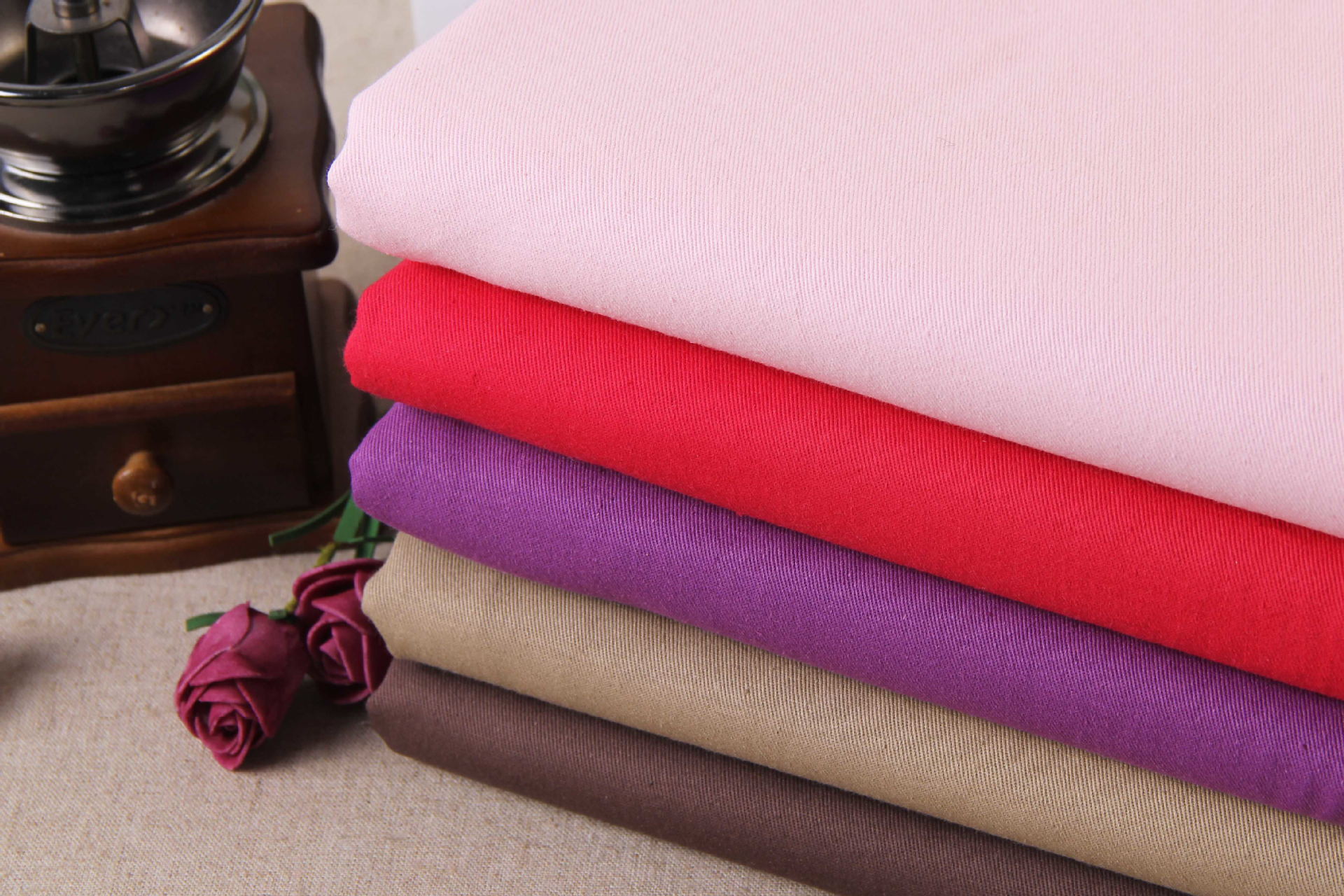
How to find reliable viscose fabric suppliers: a practical sourcing guide
Looking for reliable viscose fabric suppliers in 2026? This practical sourcing guide covers MOQ, certifications, and a ready-to-use RFQ checklist for procurement teams.
Sep 28,2026
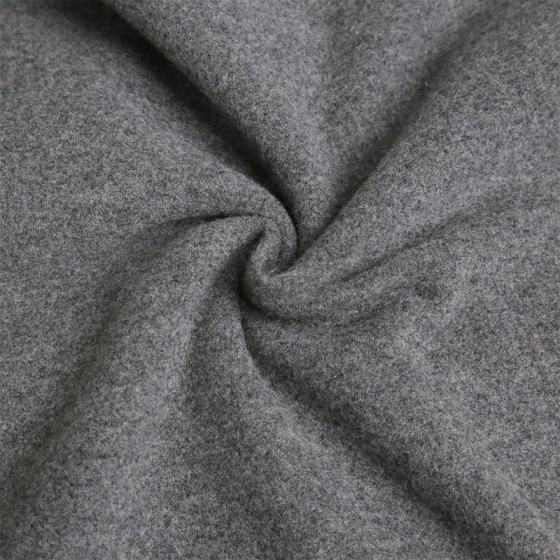
Wholesale fleece fabric buying guide: types, prices & sourcing tips
Complete 2026 guide to wholesale fleece fabric: compare GSM weights, MOQ requirements, tiered pricing, eco-certified rPET options, and project-based selection tips for apparel manufacturers and bulk buyers.
Sep 24,2026
Get in Touch
We sincerely wish to set up a long-term cooperative relationship with you. Welcome you to pay a visit to us.
Contact your comprehensive solution provider W&S immediately !
We produce fashionable fabrics and various men's and women's clothing, but we would prefer to see you collaborate with us.
Quick Link
Garment

Copyright © Nantong Wang and sheng Textile Co., Ltd. All Right Reserved.

Whatsapp: 8615996649800
Looking forward to your call
Tel: +86-15996649800
Looking forward to your call
Email: Nick.wang@ntwangsheng.com
Looking forward to your letter