The Benefits of Using Organic Cotton Dyed Fabric: A Sustainable Choice for Eco-Conscious Consumers
Release Time:
May 03,2026
Author:
The Benefits of Using Organic Cotton Dyed Fabric
Table of Contents
- What is Organic Cotton?
- The Environmental Impact of Conventional Cotton
- Why Choose Organic Cotton Dyed Fabric?
- Health Benefits of Organic Cotton
- The Process of Dyeing Organic Cotton Fabrics
- Comparing Organic Cotton Dyed Fabrics to Conventional Options
- Sustainable Fashion and Organic Cotton
- Frequently Asked Questions About Organic Cotton Dyed Fabric
- Conclusion: Embracing Organic Cotton for a Better Future
What is Organic Cotton?
Organic cotton is a type of cotton that is grown without the use of synthetic pesticides, fertilizers, or genetically modified organisms. This cultivation method prioritizes sustainability and environmental health, ensuring that the soil, water, and ecosystems are preserved. Organic cotton farming promotes biodiversity and healthier ecosystems, making it a responsible option for both consumers and manufacturers.
The Environmental Impact of Conventional Cotton
The traditional cotton industry is notorious for its heavy reliance on synthetic chemicals, which can lead to soil degradation, water contamination, and loss of biodiversity. Conventional cotton farming consumes vast amounts of water, contributing to water scarcity in many regions. Moreover, the extensive use of chemical fertilizers and pesticides poses significant risks to surrounding ecosystems and human health. By choosing organic cotton dyed fabric, consumers can actively participate in reducing these environmental impacts.
Why Choose Organic Cotton Dyed Fabric?
Opting for organic cotton dyed fabric presents a multitude of benefits that extend beyond mere aesthetics. Here are some key reasons to choose organic cotton for your fabric needs:
1. Sustainable Production Practices
Organic cotton is cultivated using sustainable farming practices that protect the environment and promote biodiversity. These methods contribute to healthier ecosystems and a more sustainable future.
2. Reduced Chemical Exposure
By selecting organic cotton dyed fabric, consumers minimize their exposure to harmful chemicals often found in conventional textiles. This is particularly important for individuals with sensitivities or allergies.
3. Superior Quality
Organic cotton is often regarded as being of higher quality compared to conventional cotton. It is softer, more durable, and retains its color better over time, making it a worthwhile investment for consumers.
4. Support for Ethical Farming Practices
Choosing organic cotton supports farmers who prioritize ethical farming practices, ensuring fair labor conditions and promoting farmers' livelihoods. This choice contributes to a more equitable textile industry.
Health Benefits of Organic Cotton
Beyond environmental considerations, organic cotton dyed fabric offers significant health benefits for consumers:
1. Gentle on Skin
Organic cotton is free from toxic chemicals and synthetic dyes, making it an excellent choice for sensitive skin. The absence of harmful substances reduces the risk of skin irritation and allergies.
2. Breathability and Comfort
Fabrics made from organic cotton are naturally breathable, allowing for better air circulation and moisture wicking. This enhances comfort, especially in warmer climates or during physical activities.
3. Decreased Risk of Chemical Sensitivities
Using organic cotton helps decrease the likelihood of developing chemical sensitivities, as the fabrics do not contain the harmful residues that are typical in conventionally produced textiles.
The Process of Dyeing Organic Cotton Fabrics
Dyeing organic cotton fabrics involves using eco-friendly dyes that are less harmful to the environment. Here’s an overview of the dyeing process:
1. Natural Dyeing
Natural dyes are derived from plants, minerals, and insects. This method not only offers a wide range of color options but also ensures that the dyeing process remains sustainable.
2. Low-Impact Synthetic Dyes
For those who prefer vibrant colors and consistency, low-impact synthetic dyes can be used. These dyes have a lower environmental impact than conventional synthetic dyes, ensuring that organic cotton maintains its eco-friendly status.
3. Water Conservation Techniques
Innovative water conservation techniques are often employed during the dyeing process, further minimizing the environmental footprint of producing organic cotton dyed fabric.
Comparing Organic Cotton Dyed Fabrics to Conventional Options
When comparing organic cotton dyed fabrics to their conventional counterparts, several factors come into play:
1. Environmental Footprint
Organic cotton dyed fabric has a significantly lower environmental impact, utilizing sustainable farming practices that conserve water and protect biodiversity.
2. Chemical Residue
Conventional cotton often retains chemical residues from pesticides and fertilizers. In contrast, organic cotton dyed fabric is free from these harmful substances, making it safer for consumers.
3. Fabric Quality and Longevity
Organic cotton dyed fabrics are typically softer and more durable than conventional options, providing better comfort and longevity, which translates to less waste over time.
4. Cost Considerations
While organic cotton dyed fabrics may have a higher initial cost, their durability and quality often justify the investment. Consumers are likely to save money in the long run by purchasing fewer replacement items.
Sustainable Fashion and Organic Cotton
The rise of sustainable fashion has led to an increased demand for organic cotton dyed fabric. Consumers are becoming more conscious of their purchasing decisions, seeking out options that align with their values. Organic cotton plays a crucial role in sustainable fashion by:
1. Supporting Ethical Brands
Many brands that focus on sustainability utilize organic cotton, providing consumers with the opportunity to support companies that align with their principles.
2. Promoting a Circular Economy
Sustainable fashion encourages the recycling and upcycling of materials, which aligns with the principles of organic cotton farming, promoting a closed-loop system that benefits both people and the planet.
3. Reducing Waste
By choosing durable organic cotton dyed fabrics, consumers can contribute to reducing textile waste, a significant issue in the fashion industry.
Frequently Asked Questions About Organic Cotton Dyed Fabric
1. Is organic cotton dyed fabric more expensive than conventional cotton?
While the upfront cost of organic cotton dyed fabric may be higher, its durability and quality often lead to savings over time due to reduced replacement needs.
2. Are the dyes used in organic cotton harmful?
No, organic cotton dyed fabrics typically use natural or low-impact dyes that are less harmful to both the environment and human health compared to conventional dyes.
3. How can I care for organic cotton dyed fabric?
Caring for organic cotton dyed fabric is similar to caring for conventional cotton. Washing in cold water and air drying can help preserve the color and integrity of the fabric.
4. Can organic cotton be printed on?
Yes, organic cotton can be printed on using eco-friendly inks, making it a versatile option for various fabric applications.
5. Is organic cotton truly better for the environment?
Yes, organic cotton is grown using sustainable practices that reduce environmental impact, conserve water, and promote biodiversity, making it a better choice for the planet.
Conclusion: Embracing Organic Cotton for a Better Future
The benefits of using organic cotton dyed fabric extend far beyond the immediate advantages of quality and comfort. By choosing organic cotton, consumers actively participate in promoting sustainable practices, reducing chemical exposure, and supporting ethical farming. As we embrace organic cotton, we contribute to a healthier planet and a more equitable textile industry. Making the switch to organic cotton dyed fabric is not just a personal choice; it’s a statement of commitment to a sustainable future.
More Events

Bulk fleece fabric buying guide: types, weights, and where to order wholesale
A complete 2026 guide to buying bulk fleece fabric wholesale — covering GSM weight comparisons, fabric types, anti-pill specs, MOQ requirements, sustainability certifications, and how to choose the right fleece fabric supplier for your business.
Oct 09,2026
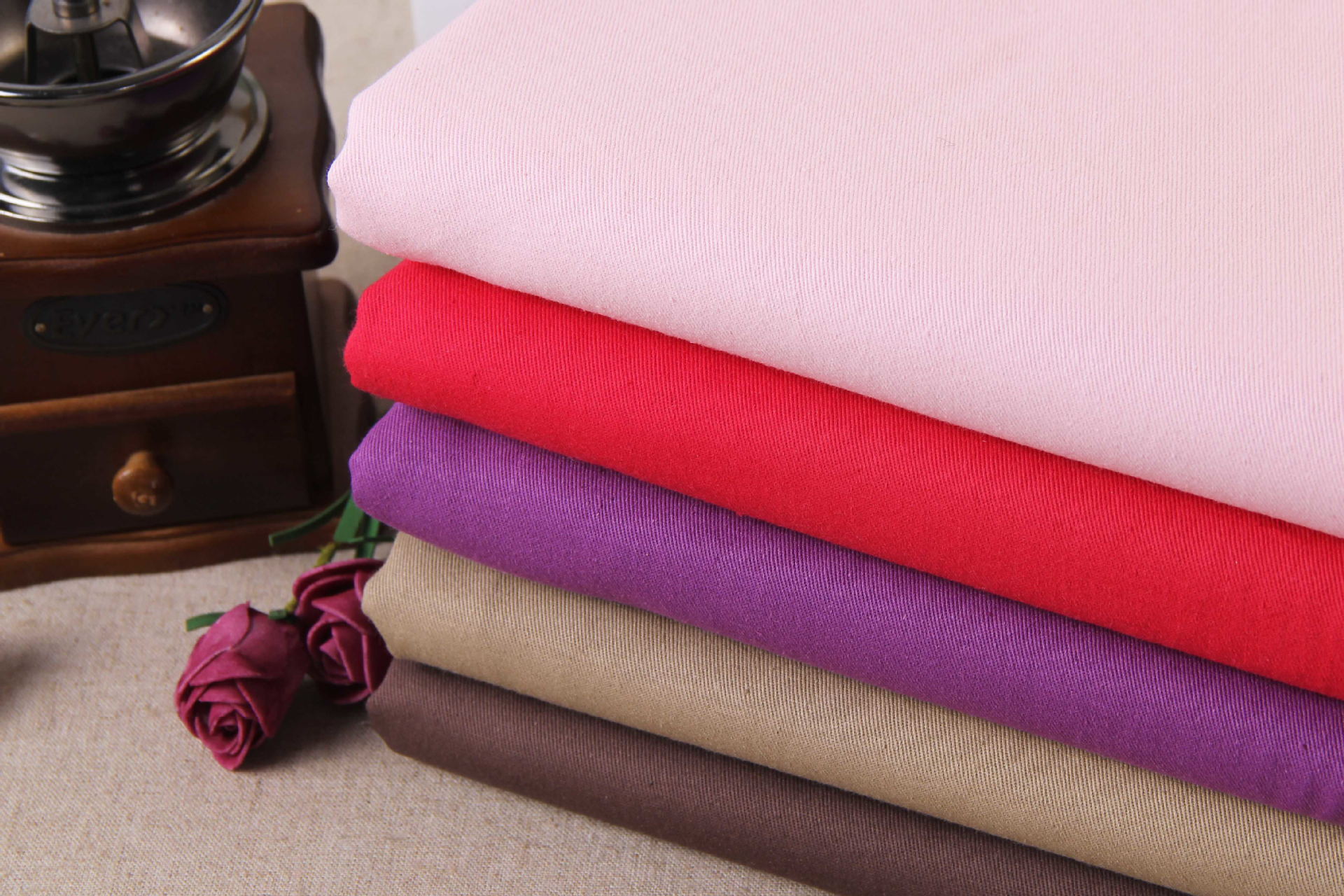
How to find reliable viscose fabric suppliers: a practical sourcing guide
Looking for reliable viscose fabric suppliers in 2026? This practical sourcing guide covers MOQ, certifications, and a ready-to-use RFQ checklist for procurement teams.
Sep 28,2026
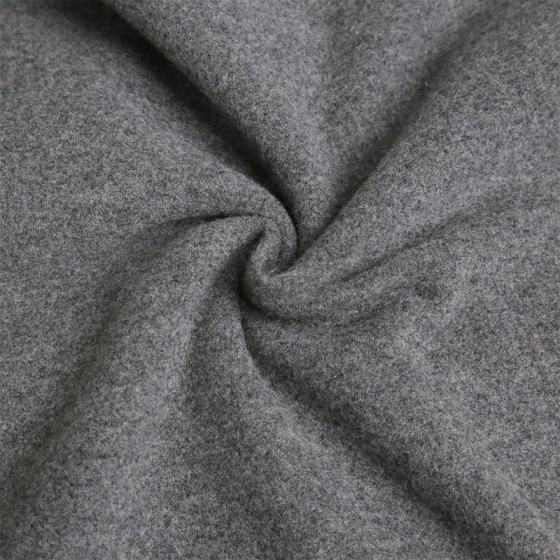
Wholesale fleece fabric buying guide: types, prices & sourcing tips
Complete 2026 guide to wholesale fleece fabric: compare GSM weights, MOQ requirements, tiered pricing, eco-certified rPET options, and project-based selection tips for apparel manufacturers and bulk buyers.
Sep 24,2026
Get in Touch
We sincerely wish to set up a long-term cooperative relationship with you. Welcome you to pay a visit to us.
Contact your comprehensive solution provider W&S immediately !
We produce fashionable fabrics and various men's and women's clothing, but we would prefer to see you collaborate with us.
Quick Link
Garment

Copyright © Nantong Wang and sheng Textile Co., Ltd. All Right Reserved.

Whatsapp: 8615996649800
Looking forward to your call
Tel: +86-15996649800
Looking forward to your call
Email: Nick.wang@ntwangsheng.com
Looking forward to your letter