
Crafting the Perfect Outfit: Matching Shirt Fabrics and Styles for Every Occasion
Release Time:
May 27,2026
Author:
Crafting the Perfect Outfit: Matching Shirt Fabrics and Styles for Every Occasion
Table of Contents
- 1. Introduction to Shirt Fabrics and Styles
- 2. Understanding Different Fabric Types
- 3. Popular Shirt Fabrics to Consider
- 4. Matching Colors and Patterns Effectively
- 5. Style Guidelines for Casual Outfits
- 6. Style Guidelines for Formal Attire
- 7. Balancing Fit and Comfort
- 8. Accessorizing Your Outfit
- 9. Conclusion
- 10. FAQs
1. Introduction to Shirt Fabrics and Styles
Creating the perfect outfit involves more than just selecting a shirt and a pair of pants. It requires a keen understanding of **shirt fabrics**, **styles**, and how they blend together to create an appealing aesthetic. In this guide, we delve into the various types of fabrics, styles, and tips for matching them effectively, ensuring you look your best, whether for business or leisure.
2. Understanding Different Fabric Types
When choosing shirts for any outfit, understanding the different types of fabric is crucial. Each fabric has its unique qualities that affect not just appearance but also comfort and appropriateness for different occasions.
Cotton
Cotton is the most popular fabric for shirts due to its breathability and comfort. It’s perfect for both casual and formal wear. Cotton shirts offer versatility, allowing for various styles, from relaxed button-ups to tailored dress shirts.
Linen
Linen is a lightweight, breathable fabric ideal for warm weather. Its natural texture adds a touch of elegance, making it suitable for casual outings and summer events. However, linen can wrinkle easily, requiring careful styling.
Blend Fabrics
Blended fabrics, such as cotton-polyester, combine the best features of both materials. These blends often retain the softness of cotton while providing added durability and wrinkle resistance, making them a practical choice for everyday wear.
Wool
Wool shirts are typically used for colder environments. They provide warmth while maintaining a polished appearance. Wool can be a fantastic choice for formal settings, particularly in tailored suits.
Satin and Silk
For a more luxurious option, satin and silk shirts stand out due to their sheen and smooth texture. These fabrics are ideal for formal occasions, elevating the outfit with an elegant touch.
3. Popular Shirt Fabrics to Consider
Every fabric type offers distinct advantages, but some are particularly popular for their versatility and style. Here are **some of the most favored shirt fabrics**:
Oxford Cloth
Oxford cloth is a classic fabric known for its durability and comfortable feel. It is often used in button-down shirts, making it a staple for business casual attire.
Poplin
Poplin is lightweight and smooth, making it an ideal choice for summer shirts. Its crisp finish gives a polished look, perfect for both formal and casual environments.
Chambray
Chambray is often mistaken for denim but is lighter and softer. It’s a great option for casual outings, providing a laid-back yet stylish appearance.
Flannel
Flannel shirts are synonymous with comfort. Perfect for colder months, they offer warmth and a relaxed fit, typically featuring checks or plaids.
Denim
Denim shirts add a rugged charm to any outfit. They can be dressed up or down, making them a versatile addition to your wardrobe.
4. Matching Colors and Patterns Effectively
Once you've chosen the fabric of your shirt, the next step is to consider how to match colors and patterns effectively.
The Color Wheel Basics
Understanding the color wheel is essential for creating cohesive outfits. Colors that are opposite each other, known as complementary colors, create striking contrasts. Analogous colors, found next to each other on the wheel, offer a harmonious blend.
Solid vs. Patterned Shirts
Solid shirts offer versatility and are easier to match with patterned pants. Conversely, patterned shirts can add character to an outfit but require careful consideration when pairing with other items to avoid clashing.
Seasonal Color Trends
Keeping up with seasonal color trends can enhance your style. For instance, earth tones are popular in fall, while bright colors often dominate summer wardrobes.
5. Style Guidelines for Casual Outfits
Casual outfits allow for more creativity and personal expression. However, there are still guidelines to keep in mind to ensure a polished look.
Choosing the Right Fit
The fit of your shirt is paramount. A well-fitted shirt enhances your silhouette, making you look put together. Opt for fitted styles for a tailored appearance, while relaxed fits can provide comfort.
Pairing with Casual Bottoms
Casual shirts work well with chinos, denim, or shorts. The key is to ensure a balanced look by pairing lighter shirts with darker bottoms and vice versa.
Layering Techniques
Layering can add depth to a casual outfit. Consider a stylish jacket or cardigan over your shirt to create a more dynamic look while staying comfortable.
6. Style Guidelines for Formal Attire
When attending formal events, your shirt choices become crucial in making a strong impression.
Selecting Dress Shirts
Dress shirts should always be well-pressed and tailored. Opt for classic colors like white or light blue for versatility, and consider subtle patterns for added interest.
Coordinating with Suits
The shirt should complement your suit. For instance, a crisp white shirt pairs well with a dark suit, while a light-colored shirt can enhance a lighter suit.
Tie Coordination
When wearing a tie, ensure it harmonizes with your shirt and suit. A simple rule is to choose ties with patterns that include a color from your shirt.
7. Balancing Fit and Comfort
While style is important, comfort should never be compromised. Finding the right balance between fit and comfort will affect your confidence and overall look.
Understanding Shirt Sizes
Knowing your measurements is vital. Always refer to sizing guides when purchasing shirts online to ensure the best fit, considering factors such as neck size, sleeve length, and chest width.
Choosing Comfortable Fabrics
Opt for fabrics that feel good against your skin. Breathable materials like cotton and linen are excellent choices for warmer months, while wool and flannel work well in colder seasons.
8. Accessorizing Your Outfit
Accessories can elevate your outfit from ordinary to extraordinary. Here are some tips on how to accessorize effectively.
Watches and Jewelry
A classy watch can add sophistication, while minimal jewelry can enhance your outfit without overwhelming it. Stick to subtle pieces that complement your overall look.
Belts and Shoes
Ensure your belt and shoes are in harmony with your outfit. A classic brown or black leather belt typically works well with dress shirts, while casual outfits can benefit from more relaxed footwear.
Layering Accessories
Scarves, hats, and ties can all be used to add layers to your outfit. However, be careful not to overdo it; the goal is to complement your shirt and overall look.
9. Conclusion
Crafting the perfect outfit involves a thoughtful approach to matching shirt fabrics and styles. By understanding different fabric types, mastering color coordination, and considering fit and comfort, we can create stunning ensembles for any occasion. Accessories play an essential role in pulling the look together, ensuring we present ourselves in the best light. Remember, the key to a great outfit is not just about the individual pieces but how they work together cohesively.
10. FAQs
What shirt fabric is best for summer?
Cotton and linen are the best shirt fabrics for summer due to their breathability and comfort in warm weather.
How do I choose the right shirt size?
To choose the right shirt size, measure your neck, chest, and sleeve length, and refer to size charts provided by the brand.
Can I wear a patterned shirt with patterned pants?
Yes, but it’s important to choose patterns that complement each other, typically by varying the scale or color scheme to avoid clashing.
What is the best way to care for dress shirts?
Always follow the care label instructions. Generally, dress shirts should be washed in cold water and ironed while slightly damp to maintain a crisp appearance.
How can I transition a casual shirt to a formal outfit?
To transition a casual shirt to a formal outfit, pair it with tailored trousers, a blazer, and polished shoes, ensuring the shirt is well-pressed for a smart appearance.
More Events

Bulk fleece fabric buying guide: types, weights, and where to order wholesale
A complete 2026 guide to buying bulk fleece fabric wholesale — covering GSM weight comparisons, fabric types, anti-pill specs, MOQ requirements, sustainability certifications, and how to choose the right fleece fabric supplier for your business.
Oct 09,2026
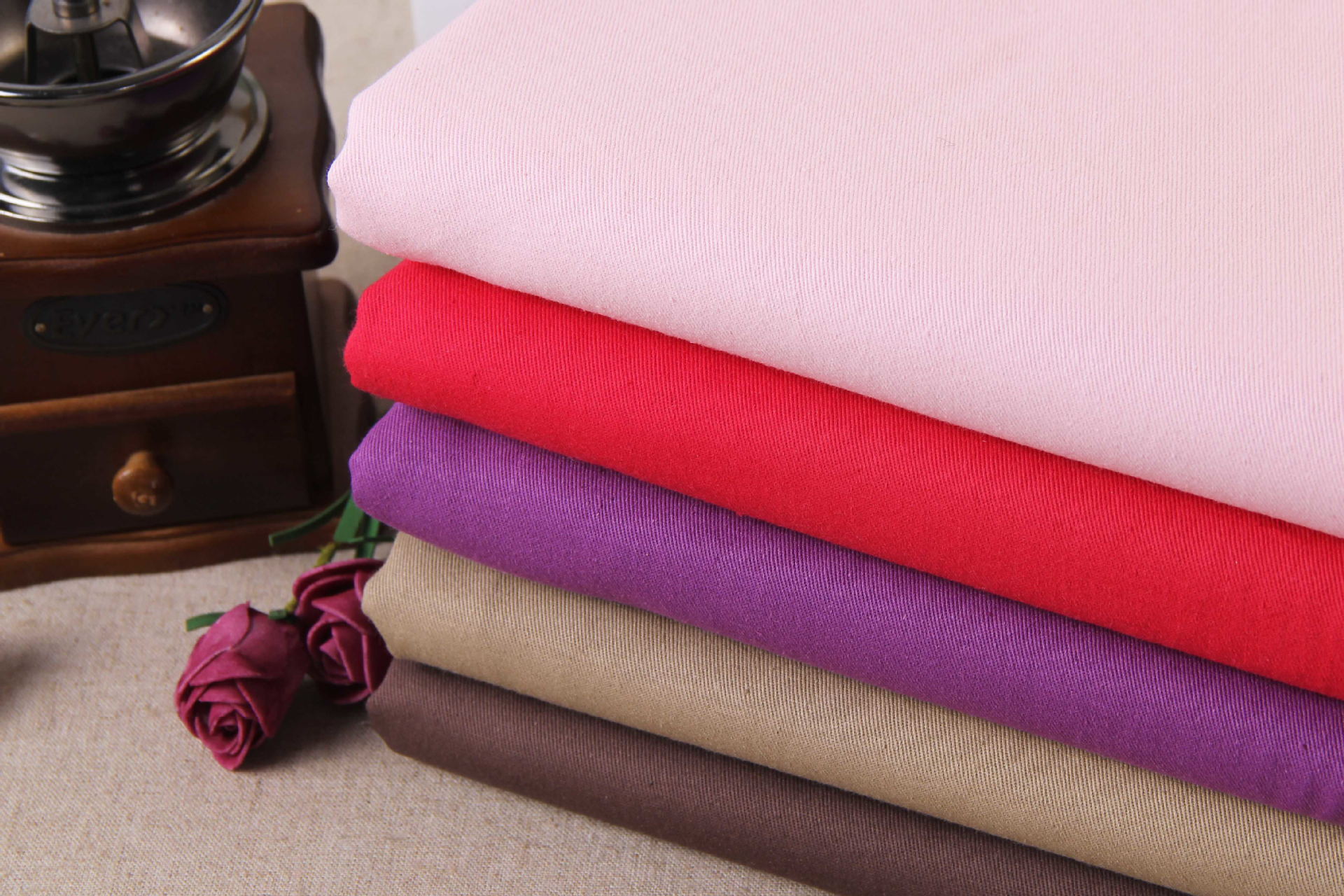
How to find reliable viscose fabric suppliers: a practical sourcing guide
Looking for reliable viscose fabric suppliers in 2026? This practical sourcing guide covers MOQ, certifications, and a ready-to-use RFQ checklist for procurement teams.
Sep 28,2026
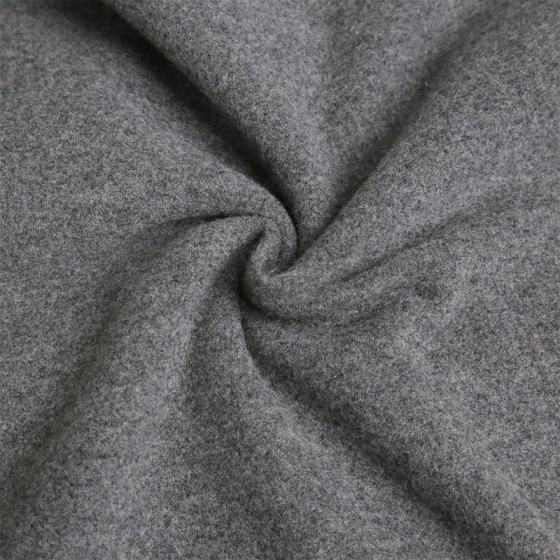
Wholesale fleece fabric buying guide: types, prices & sourcing tips
Complete 2026 guide to wholesale fleece fabric: compare GSM weights, MOQ requirements, tiered pricing, eco-certified rPET options, and project-based selection tips for apparel manufacturers and bulk buyers.
Sep 24,2026
Get in Touch
We sincerely wish to set up a long-term cooperative relationship with you. Welcome you to pay a visit to us.
Contact your comprehensive solution provider W&S immediately !
We produce fashionable fabrics and various men's and women's clothing, but we would prefer to see you collaborate with us.
Quick Link
Garment

Copyright © Nantong Wang and sheng Textile Co., Ltd. All Right Reserved.

Whatsapp: 8615996649800
Looking forward to your call
Tel: +86-15996649800
Looking forward to your call
Email: Nick.wang@ntwangsheng.com
Looking forward to your letter