
The Evolution of Linen Printed Fabric in Fashion History
Release Time:
Jun 08,2026
Author:
The Evolution of Linen Printed Fabric in Fashion History
Table of Contents
- Introduction: Understanding Linen Printed Fabric
- A Historical Overview of Linen and Its Uses
- Linen in Ancient Civilizations: The Fabric of Life
- The Renaissance and the Rise of Linen Printing Techniques
- The Industrial Revolution: Mass Production and Innovation
- Linen Printed Fabric in Modern Fashion: Trends and Innovations
- Sustainability and Linen: The Eco-Friendly Fabric Choice
- The Future of Linen Printed Fabrics in Fashion
- Frequently Asked Questions
- Conclusion: The Timeless Appeal of Linen Printed Fabric
Introduction: Understanding Linen Printed Fabric
Linen is one of the oldest textiles known to humanity, cherished for its durability, breathability, and natural luster. Printed linen fabric adds an artistic dimension to this remarkable textile, transforming it from a simple material into a canvas of creativity. The evolution of linen printed fabric is a fascinating narrative intertwined with fashion history, reflecting cultural shifts, technological advancements, and the artistry of skilled artisans. In this article, we will explore the journey of linen printed fabric, tracing its roots from ancient civilizations to its prominent place in contemporary fashion.
A Historical Overview of Linen and Its Uses
Linen fabric is derived from the fibers of the flax plant, known for its strength and absorbency. Its historical significance dates back thousands of years, with evidence of linen production found in ancient Egypt, where it was used not only for clothing but also in burial wrappings. The versatility of linen made it a favored choice across various cultures, used in everything from everyday garments to elaborate ceremonial attire.
The techniques for printing on linen have evolved dramatically over time, with early methods involving simple dyes and hand-painting. As societies progressed, so did the complexity and creativity of fabric designs, leading to the rich tapestry of printed linens we see today.
Linen in Ancient Civilizations: The Fabric of Life
In ancient Egypt, linen held a sacred status, often associated with purity and light. Egyptians utilized linen for clothing, particularly in the garments of the elite and priests. The process of weaving and printing linen was meticulous, often involving intricate designs that symbolized various deities and cultural beliefs. Similarly, in ancient Greece and Rome, linen was a preferred choice due to its cooling properties in warm climates, becoming a staple in the wardrobes of citizens.
Throughout these civilizations, linen printed fabric was not merely functional; it served as a means of expression and identity. The ability to print on linen allowed artisans to showcase their skills and communicate societal values through fabric.
The Renaissance and the Rise of Linen Printing Techniques
The Renaissance marked a significant turning point in the history of fabric printing. With the revival of art and culture, innovations in printing techniques began to emerge. The introduction of block printing in the 15th century revolutionized the way patterns were applied to linen. Artisans meticulously carved designs into wooden blocks, which were then used to press ink onto fabric.
This era saw the birth of intricate designs and vibrant color palettes, leading to a surge in the popularity of linen printed fabrics. The designs often featured motifs inspired by nature, mythology, and geometric patterns, reflecting the artistic trends of the time. As trade networks expanded, the exchange of ideas and techniques across Europe enhanced the variety of linen prints available.
The Industrial Revolution: Mass Production and Innovation
The Industrial Revolution brought about dramatic changes in the textile industry, including the production of linen. Innovations such as the power loom and rotary screen printing allowed for mass production of printed linen fabrics. This democratization of fashion made printed linens accessible to a broader audience, moving beyond the elite and into the hands of the general public.
During this period, new dyeing techniques emerged, allowing for a wider range of colors and patterns. The vibrancy of printed linen became a hallmark of fashion, with designers experimenting with bold designs that captured the zeitgeist of the times. Printed linen began to dominate wardrobes, reflecting the evolving tastes and preferences of society.
Linen Printed Fabric in Modern Fashion: Trends and Innovations
In contemporary fashion, linen printed fabrics continue to thrive, embodying a blend of tradition and innovation. Designers embrace the natural qualities of linen, utilizing its texture and drape to create unique silhouettes. The resurgence of interest in sustainable fashion has propelled linen to the forefront, as it is a biodegradable and renewable resource.
Modern printing techniques, such as digital printing, have revolutionized the possibilities for linen designs. This technology allows for intricate, detailed prints that can capture the tiniest nuances of artwork, making it possible for designers to push the boundaries of creativity. Today, we see linen printed fabrics in various applications, from high-end runway collections to casual wear, showcasing its versatility and timeless appeal.
Sustainability and Linen: The Eco-Friendly Fabric Choice
As the fashion industry increasingly focuses on sustainability, linen stands out as a fabric that aligns with eco-friendly practices. The production of linen has a relatively low environmental impact compared to other textiles. Flax cultivation requires minimal water and pesticides, making it an environmentally friendly option.
Moreover, linen is biodegradable, contributing to a circular economy in fashion. As consumers become more conscious of their purchasing choices, the demand for sustainable fabrics has surged, solidifying linen's place in the future of fashion. Designers and brands are now prioritizing linen printed fabrics in their collections, emphasizing eco-consciousness while delivering style and quality.
The Future of Linen Printed Fabrics in Fashion
The future of linen printed fabrics in fashion looks promising as we witness ongoing innovations in textile technology and a growing emphasis on sustainability. Designers are exploring new ways to combine traditional linen weaving with contemporary printing methods, leading to a renaissance of creativity in fabric design.
Additionally, linen's natural properties make it an ideal choice for various applications, from activewear to high-fashion garments. With the trend towards casual and comfortable clothing, linen's breathability and comfort will likely continue to appeal to consumers seeking style without sacrificing functionality.
As we look ahead, the collaboration between technology, artistry, and sustainable practices will define the trajectory of linen printed fabrics in the fashion industry. The timeless allure of linen ensures that it will continue to play a significant role in shaping fashion trends for generations to come.
Frequently Asked Questions
1. What are the benefits of using linen printed fabric?
Linen printed fabric is known for its durability, breathability, and natural moisture-wicking properties. It is also eco-friendly, as linen is made from the flax plant, which requires fewer resources to grow.
2. How is linen printed fabric made?
Linen printing involves applying dyes or patterns to the fabric using techniques such as block printing, screen printing, or digital printing. Each method offers unique results, from bold and vibrant designs to delicate patterns.
3. Can linen printed fabric be machine washed?
Yes, most linen printed fabrics can be machine washed on a gentle cycle. However, it’s advisable to follow the care instructions provided by the manufacturer to maintain the fabric's quality and color.
4. Is linen printed fabric suitable for all seasons?
Yes, linen is a versatile fabric that can be worn in various seasons. Its breathability makes it ideal for warmer weather, while layering it can provide warmth in cooler months.
5. How can I incorporate linen printed fabric into my wardrobe?
Linen printed fabrics can be incorporated into your wardrobe through dresses, shirts, pants, or accessories. Mixing linen prints with other fabrics or solid colors can create stylish and balanced outfits.
Conclusion: The Timeless Appeal of Linen Printed Fabric
The evolution of linen printed fabric is a testament to its enduring relevance in fashion history. From ancient civilizations to modern runway collections, linen has continually adapted to meet the needs and tastes of society. Its unique combination of sustainability, versatility, and aesthetic appeal ensures that it will remain a cherished fabric for generations to come.
As we move forward into a new era of fashion, embracing eco-friendly practices and innovative designs, linen printed fabrics will undoubtedly continue to capture the imagination of designers and consumers alike. The journey of linen remains a compelling story of creativity, tradition, and timeless elegance, solidifying its place as a staple in the world of fashion.
More Events
Why Cotton Dyed Fabric is a Must-Have for Every Designer
Why Cotton Dyed Fabric is a Must-Have for Every Designer Understanding the Essence of Cotton Dyed Fabric Cotton dyed fabric is more than just a textile; it is a canvas for creativity and innovation. This material, derived from natural cotton fibers, undergoes a meticulous dyeing process that enhances its aesthetic appeal and functionality. The vibrant colors and textures achieved through vario
Aug 01,2026

Men Shirt Fabric: Premium Textile Material for Stylish and Comfortable Shirts
Premium men shirt fabric with soft texture, breathable performance, durable quality, and excellent color retention. Ideal for casual, business, and formal shirt production.
Jul 30,2026
Exploring the Versatility and Applications of Printed Cloth Fabric
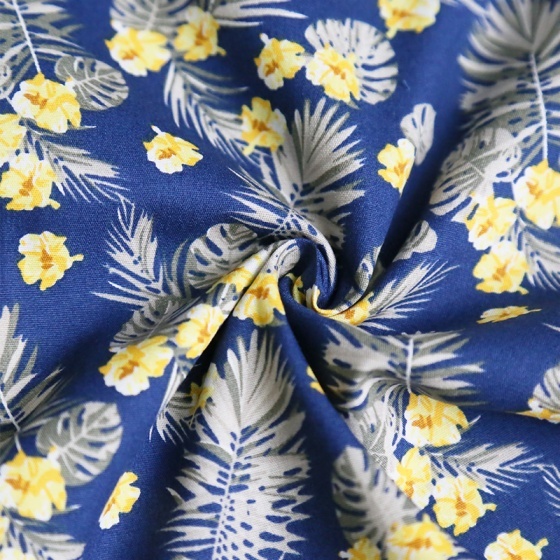
Printed cloth fabric has become an integral part of various sectors, especially in the textile industry, where its aesthetic appeal and versatility are highly valued. The process of creating printed fabric involves applying designs, patterns, or images onto a fabric substrate, transforming it into a vibrant piece of textile art. This technology has evolved significantly over the years, with advanc
Jul 29,2026
Get in Touch
We sincerely wish to set up a long-term cooperative relationship with you. Welcome you to pay a visit to us.
Contact your comprehensive solution provider W&S immediately !
We produce fashionable fabrics and various men's and women's clothing, but we would prefer to see you collaborate with us.
Quick Link
Garment

Copyright © Nantong Wang and sheng Textile Co., Ltd. All Right Reserved.

Whatsapp: 8615996649800
Looking forward to your call
Tel: +86-15996649800
Looking forward to your call
Email: Nick.wang@ntwangsheng.com
Looking forward to your letter