Digital Printed Fabric: Bridging the Gap Between Art and Technology
Release Time:
Jul 20,2026
Author:
Table of Contents
- 1. Introduction to Digital Printed Fabrics
- 2. What is Digital Printing in Textiles?
- 3. A Brief History of Digital Fabric Printing
- 4. Advantages of Digital Printed Fabrics
- 5. Applications of Digital Printed Fabrics in Various Industries
- 6. Techniques Used in Digital Fabric Printing
- 7. Sustainability in Digital Printing
- 8. The Future of Digital Printed Fabrics
- 9. Frequently Asked Questions (FAQs)
- 10. Conclusion
1. Introduction to Digital Printed Fabrics
Digital printed fabrics are revolutionizing the textile industry, merging technology and creativity in unprecedented ways. They represent a radical shift from traditional printing methods, allowing designers to create detailed and vibrant patterns that were previously unimaginable. This technique not only elevates the aesthetic appeal of fabrics but also opens new avenues for customization and personalization.
As we delve deeper into the topic, we will explore how digital printing is transforming the landscape of fabric design, production processes, and sustainable practices.
2. What is Digital Printing in Textiles?
Digital printing in textiles refers to the process of applying digital technology to fabric printing. Unlike traditional methods, which often involve screens or rollers, digital printing uses inkjet technology to print designs directly onto fabric. This method allows for high-resolution images, intricate patterns, and a wide spectrum of colors.
In essence, digital printing works by converting a digital image into a format that can be interpreted by a printer. The printer then applies ink to the fabric layer by layer, producing a finished product that reflects the original design with stunning accuracy.
The Process of Digital Fabric Printing
The process typically unfolds in several stages:
1. **Design Creation**: Artists and designers create digital artwork using graphic design software.
2. **Ink Selection**: Depending on the fabric type, various inks (such as reactive, pigment, or sublimation inks) are selected.
3. **Printing**: The digital printer applies the ink directly onto the fabric surface.
4. **Finishing**: Post-printing treatments may include heat-setting, washing, and curing to ensure durability and colorfastness.
3. A Brief History of Digital Fabric Printing
Digital fabric printing has its roots in the late 20th century, with advancements in computer technology playing a pivotal role in its development. The initial forays into digital textile printing began in the 1990s, when textile manufacturers started experimenting with inkjet technology.
Early digital printers were limited in color range and resolution, but rapid technological advancements in the 2000s led to the creation of high-quality commercial printers. This evolution allowed for greater design flexibility and faster production times, making digital printing an appealing choice for designers.
As the technology improved, so did its adoption in various sectors, from fashion to home textiles. Today, digital printed fabrics are widely used, providing a blend of creativity, efficiency, and sustainability.
4. Advantages of Digital Printed Fabrics
Digital printed fabrics offer numerous benefits that make them increasingly popular among designers and manufacturers. Some of the key advantages include:
4.1. Customization and Personalization
Digital printing allows for a high degree of customization. Designers can easily create unique patterns tailored to specific customer preferences, making it ideal for bespoke clothing and home décor items.
4.2. Shorter Production Time
With traditional printing methods, setup times can be lengthy and costly. Digital printing streamlines the process, enabling quicker turnaround times for orders. This efficiency is particularly beneficial for small businesses and independent designers.
4.3. Reduced Waste
One of the most significant environmental advantages of digital printing is its ability to minimize waste. Traditional methods often produce excess materials and ink, whereas digital printing uses only the required amount of ink for each design, significantly reducing waste.
4.4. High-Quality Prints
Digital printers can produce intricate designs with stunning clarity and depth of color. This quality is especially crucial in industries like fashion, where visual appeal is paramount.
4.5. Flexibility in Design
Digital printing allows designers to experiment with complex patterns and textures that may be challenging to achieve using traditional methods. This flexibility fosters creativity and innovation in textile design.
5. Applications of Digital Printed Fabrics in Various Industries
The versatility of digital printed fabrics makes them suitable for a wide range of applications across various industries.
5.1. Fashion Industry
In the fashion world, digital printing enables designers to create unique garments that stand out in a crowded market. From bold prints to intricate details, the possibilities are endless.
5.2. Home Décor
Digital printed fabrics are increasingly popular in home décor, allowing for customized upholstery, curtains, and other soft furnishings. Homeowners can choose patterns that reflect their personal style, making their spaces truly unique.
5.3. Sportswear
The sportswear industry benefits from digital printing through the ability to create custom designs for teams and events. This method allows for quick production of jerseys and fan gear, fostering a sense of community and identity.
5.4. Interior Design
Interior designers utilize digital printed fabrics to create bespoke wallpapers and textiles that complement their overall design vision. The ability to customize patterns ensures that the final product aligns with the client’s expectations.
5.5. Promotional Materials
Businesses often leverage digital printed fabrics for promotional purposes, creating banners, flags, and merchandise that capture attention and reinforce branding.
6. Techniques Used in Digital Fabric Printing
Digital printing employs various techniques, each suited for different fabric types and desired outcomes.
6.1. Dye Sublimation
This technique involves transferring dye onto fabric through heat and pressure, resulting in vibrant, long-lasting colors. Sublimation is particularly effective on synthetic fabrics like polyester.
6.2. Direct-to-Fabric Printing
In direct-to-fabric printing, ink is applied directly to the fabric using inkjet technology. This method is versatile and can be used on various material types, including cotton and silk.
6.3. Reactive Dye Printing
Reactive dye printing is known for producing bright, vivid colors on natural fibers. The dye chemically bonds with the fabric, resulting in excellent wash fastness and durability.
6.4. Pigment Printing
Pigment printing involves applying a mixture of pigments and binders to the fabric surface. This method is suitable for a wide range of fabrics and allows for vibrant colors without the need for water, making it an eco-friendly choice.
7. Sustainability in Digital Printing
As sustainability becomes increasingly important in the textile industry, digital printing stands out as a more environmentally friendly option.
7.1. Reduced Water Consumption
Traditional textile printing methods often require vast amounts of water for dyeing and finishing processes. Digital printing significantly reduces water usage, making it a more sustainable choice.
7.2. Smaller Carbon Footprint
By minimizing waste and using energy-efficient technologies, digital printing contributes to a smaller carbon footprint, aligning with global sustainability goals.
7.3. Sustainable Materials
Many digital print manufacturers are exploring eco-friendly inks and sustainable fabrics, further enhancing the environmental benefits of digital printing.
8. The Future of Digital Printed Fabrics
The future of digital printed fabrics is bright, with ongoing advancements in technology and materials.
8.1. Innovations in Printing Technology
Emerging technologies such as 3D printing and improved ink formulations will likely enhance the capabilities of digital printing, enabling even more intricate designs and sustainable practices.
8.2. Integration with Smart Textiles
As the textile industry embraces smart technology, digital printed fabrics may integrate features like color-changing properties or embedded sensors, merging fashion with functionality.
8.3. Expanding Market Reach
As digital printing becomes more accessible, smaller brands and independent designers can leverage this technology to enter the market, fostering creativity and diversity in the industry.
9. Frequently Asked Questions (FAQs)
Q1: What fabrics can be used for digital printing?
A1: Digital printing can be used on a variety of fabrics, including cotton, polyester, silk, and blends. The choice of fabric often depends on the desired outcome and printing technique.
Q2: How durable are digital prints compared to traditional prints?
A2: Digital prints can be highly durable, especially when using the right inks and techniques. Advances in technology have improved colorfastness and washability, making them comparable to traditional prints.
Q3: Is digital printing more cost-effective than traditional printing?
A3: While digital printing can have lower setup costs and reduce waste, the overall cost-effectiveness can vary based on order size and complexity. Small production runs often benefit from digital printing, while larger runs may remain more economical with traditional methods.
Q4: Can I create my own designs for digital printed fabrics?
A4: Yes! Many companies offer services that allow customers to upload their own designs for printing, enabling personalized and customized fabric creations.
Q5: How can I ensure my digital printed fabric is eco-friendly?
A5: To ensure sustainability, look for manufacturers that use eco-friendly inks, sustainable fabrics, and practices that minimize waste and water consumption.
10. Conclusion
Digital printed fabrics are not just a trend; they represent a paradigm shift in the textile industry, merging the realms of art and technology. With their numerous advantages, from customization to sustainability, these fabrics are reshaping the way we think about textiles. As technology continues to advance and the demand for personalized and eco-friendly products grows, digital printing will undoubtedly play a crucial role in the future of fashion, home décor, and beyond. Embracing this innovation is essential for designers and manufacturers who wish to remain relevant and competitive in an ever-evolving marketplace.
More Events

Bulk fleece fabric buying guide: types, weights, and where to order wholesale
A complete 2026 guide to buying bulk fleece fabric wholesale — covering GSM weight comparisons, fabric types, anti-pill specs, MOQ requirements, sustainability certifications, and how to choose the right fleece fabric supplier for your business.
Oct 09,2026
How to find reliable viscose fabric suppliers: a practical sourcing guide
Looking for reliable viscose fabric suppliers in 2026? This practical sourcing guide covers MOQ, certifications, and a ready-to-use RFQ checklist for procurement teams.
Sep 28,2026
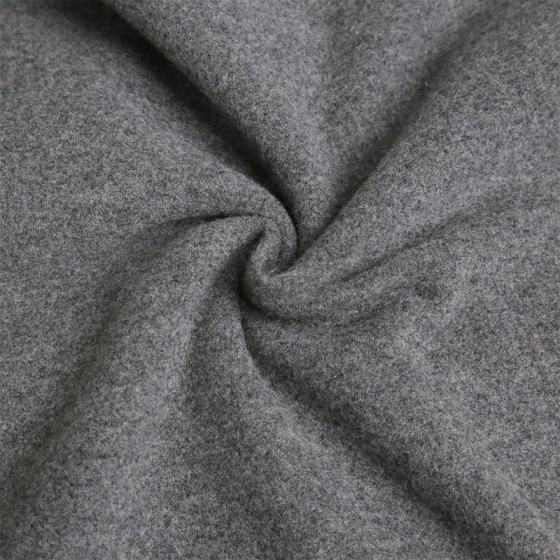
Wholesale fleece fabric buying guide: types, prices & sourcing tips
Complete 2026 guide to wholesale fleece fabric: compare GSM weights, MOQ requirements, tiered pricing, eco-certified rPET options, and project-based selection tips for apparel manufacturers and bulk buyers.
Sep 24,2026
Get in Touch
We sincerely wish to set up a long-term cooperative relationship with you. Welcome you to pay a visit to us.
Contact your comprehensive solution provider W&S immediately !
We produce fashionable fabrics and various men's and women's clothing, but we would prefer to see you collaborate with us.
Quick Link
Garment

Copyright © Nantong Wang and sheng Textile Co., Ltd. All Right Reserved.

Whatsapp: 8615996649800
Looking forward to your call
Tel: +86-15996649800
Looking forward to your call
Email: Nick.wang@ntwangsheng.com
Looking forward to your letter