
Men’s Clothing Fabrics: Types, Features, and Applications
Release Time:
Feb 05,2026
Author:
Men’s clothing fabrics play a crucial role in determining the comfort, durability, appearance, and performance of garments. Different fabrics are selected based on climate conditions, fashion trends, functional needs, and the desired level of formality. Understanding the characteristics of common materials helps designers, manufacturers, and consumers choose the right textile for specific clothing purposes.
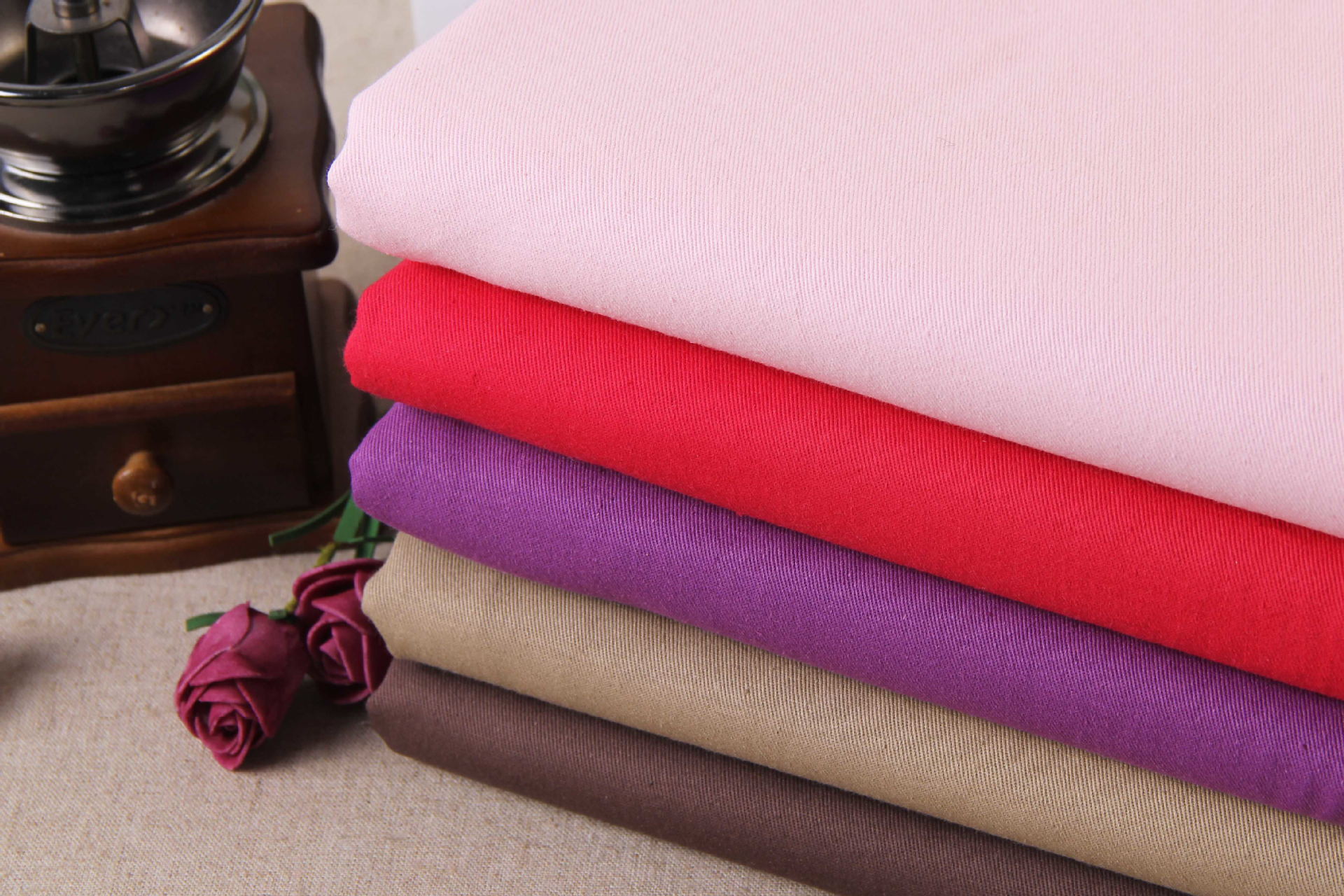
Cotton is one of the most widely used fabrics in men’s apparel. Known for its softness and breathability, cotton is suitable for shirts, T-shirts, underwear, and casual trousers. It absorbs moisture well and feels comfortable against the skin, making it ideal for daily wear. However, pure cotton may wrinkle easily and shrink if not properly treated, so blended cotton fabrics are often used to improve durability and reduce maintenance requirements.
Wool is another important natural fiber, especially in formal and winter garments. It provides excellent insulation while remaining breathable, making it suitable for suits, coats, sweaters, and trousers. Wool fibers have natural elasticity, allowing garments to retain their shape and resist wrinkles. Variations such as merino wool offer a softer texture and can be used even in lightweight garments. Proper care is necessary, as some wool fabrics require dry cleaning.
Linen is valued for its lightweight structure and exceptional breathability. It is commonly used in summer suits, shirts, and relaxed casual wear. Linen fabrics allow air circulation and help keep the body cool in hot climates. Although linen wrinkles easily, many consumers appreciate its natural texture and laid-back appearance. Blended linen fabrics help improve wrinkle resistance while maintaining comfort.
Synthetic fibers such as polyester, nylon, and spandex are widely applied in modern men’s clothing. Polyester is durable, resistant to stretching and shrinking, and maintains color well, making it popular in sportswear, uniforms, and easy-care garments. Nylon adds strength and abrasion resistance, while spandex provides stretch and flexibility, improving comfort and freedom of movement. Synthetic fibers are often blended with natural materials to create fabrics that balance comfort with long-lasting performance.
Denim, traditionally made from cotton twill, is a staple in men’s casual fashion. Known for its rugged texture and durability, denim is commonly used for jeans, jackets, and workwear. Over time, denim develops a unique worn-in look that many consumers find appealing. Other specialty fabrics, such as corduroy, flannel, and fleece, are chosen for specific seasons or style preferences, offering warmth, texture, or softness depending on the application.
When selecting men’s clothing fabric, several factors should be considered, including climate, intended use, maintenance requirements, and personal comfort. Lightweight and breathable fabrics are ideal for warm weather, while heavier and insulating materials are better suited for colder environments. Formal wear typically uses structured and refined fabrics, while casual clothing focuses more on comfort and flexibility. Advances in textile technology have also introduced performance fabrics with moisture-wicking, anti-odor, and wrinkle-resistant properties, meeting the needs of modern lifestyles.
Overall, the variety of men’s clothing fabrics allows for endless design possibilities and functional improvements. By understanding the strengths and limitations of each material, manufacturers and consumers can make informed choices that enhance both style and practicality.
More Events

Bulk fleece fabric buying guide: types, weights, and where to order wholesale
A complete 2026 guide to buying bulk fleece fabric wholesale — covering GSM weight comparisons, fabric types, anti-pill specs, MOQ requirements, sustainability certifications, and how to choose the right fleece fabric supplier for your business.
Oct 09,2026
How to find reliable viscose fabric suppliers: a practical sourcing guide
Looking for reliable viscose fabric suppliers in 2026? This practical sourcing guide covers MOQ, certifications, and a ready-to-use RFQ checklist for procurement teams.
Sep 28,2026
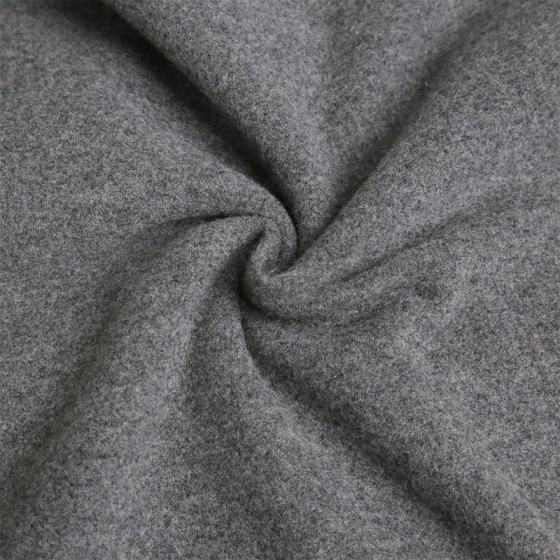
Wholesale fleece fabric buying guide: types, prices & sourcing tips
Complete 2026 guide to wholesale fleece fabric: compare GSM weights, MOQ requirements, tiered pricing, eco-certified rPET options, and project-based selection tips for apparel manufacturers and bulk buyers.
Sep 24,2026
Get in Touch
We sincerely wish to set up a long-term cooperative relationship with you. Welcome you to pay a visit to us.
Contact your comprehensive solution provider W&S immediately !
We produce fashionable fabrics and various men's and women's clothing, but we would prefer to see you collaborate with us.
Quick Link
Garment

Copyright © Nantong Wang and sheng Textile Co., Ltd. All Right Reserved.

Whatsapp: 8615996649800
Looking forward to your call
Tel: +86-15996649800
Looking forward to your call
Email: Nick.wang@ntwangsheng.com
Looking forward to your letter