Understanding Cotton Dyed Fabric: A Comprehensive Guide for Textile Professionals
Release Time:
Sep 26,2025
Author:
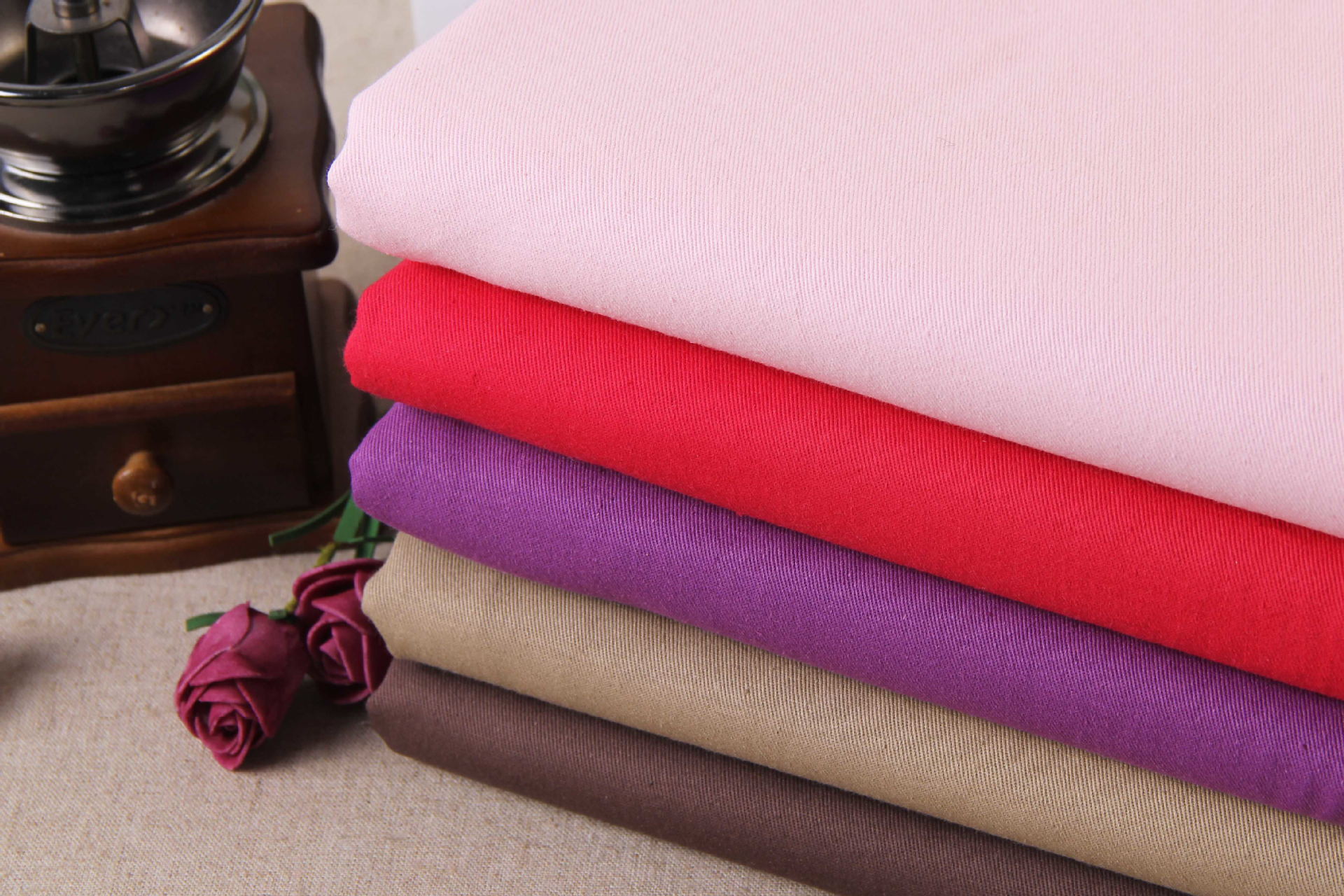
The dyeing process for cotton fabric can be executed through various methods, each contributing distinct qualities to the final product. Common techniques include reactive dyeing, vat dyeing, and direct dyeing. Reactive dyeing is particularly popular due to its ability to produce bright and long-lasting colors. This method involves chemical reactions between the dye and the cellulose in cotton, ensuring high wash fastness and color retention.
Another method, vat dyeing, utilizes insoluble dyes that are converted into a soluble form before application. This technique results in deep, rich colors and is especially effective for producing darker shades. Direct dyeing, on the other hand, is simpler and typically used for lighter shades, though it may not offer the same level of colorfastness as reactive or vat dyeing.
In addition to dyeing methods, the choice of dyeing auxiliaries plays a significant role in the quality of cotton dyed fabric. These chemicals, which include surfactants, pH regulators, and fixing agents, can influence the dye uptake, brightness, and wash fastness of the fabric. A thorough understanding of these additives is essential for achieving desired outcomes in the dyeing process.
The applications of cotton dyed fabric are vast, ranging from apparel to home textiles. Cotton's inherent breathability and comfort make it ideal for clothing items such as shirts, dresses, and activewear. In home textiles, cotton dyed fabric is popular for curtains, upholstery, and bedding, allowing for creative expression through color and pattern.
Sustainability is also a growing concern in the textile industry, and cotton dyed fabrics are now being produced with eco-friendly practices. Innovations in dyeing technologies, such as waterless dyeing and the use of organic dyes, are gaining traction, catering to environmentally conscious consumers. As professionals in the field, staying informed about sustainable practices is vital for meeting emerging market demands.
In conclusion, cotton dyed fabric remains a significant material in the textile industry, driven by its diverse applications and the evolving dyeing processes. As a textile professional, understanding the intricacies of this fabric will enhance your ability to innovate and respond to market needs effectively. Embracing both traditional and modern dyeing techniques will equip you with the knowledge to create high-quality, appealing cotton dyed fabrics that resonate with consumers.
More Events

Bulk fleece fabric buying guide: types, weights, and where to order wholesale
A complete 2026 guide to buying bulk fleece fabric wholesale — covering GSM weight comparisons, fabric types, anti-pill specs, MOQ requirements, sustainability certifications, and how to choose the right fleece fabric supplier for your business.
Oct 09,2026
How to find reliable viscose fabric suppliers: a practical sourcing guide
Looking for reliable viscose fabric suppliers in 2026? This practical sourcing guide covers MOQ, certifications, and a ready-to-use RFQ checklist for procurement teams.
Sep 28,2026

Wholesale fleece fabric buying guide: types, prices & sourcing tips
Complete 2026 guide to wholesale fleece fabric: compare GSM weights, MOQ requirements, tiered pricing, eco-certified rPET options, and project-based selection tips for apparel manufacturers and bulk buyers.
Sep 24,2026
Get in Touch
We sincerely wish to set up a long-term cooperative relationship with you. Welcome you to pay a visit to us.
Contact your comprehensive solution provider W&S immediately !
We produce fashionable fabrics and various men's and women's clothing, but we would prefer to see you collaborate with us.
Quick Link
Garment

Copyright © Nantong Wang and sheng Textile Co., Ltd. All Right Reserved.

Whatsapp: 8615996649800
Looking forward to your call
Tel: +86-15996649800
Looking forward to your call
Email: Nick.wang@ntwangsheng.com
Looking forward to your letter