Digital Printed Fabric vs. Traditional Methods: What You Need to Know
Release Time:
Sep 27,2025
Author:
Digital Printed Fabric vs. Traditional Methods: What You Need to Know
Table of Contents
- 1. Introduction to Fabric Printing
- 2. Understanding Digital Fabric Printing
- 3. Traditional Fabric Printing Methods Explained
- 4. Comparing Digital and Traditional Printing Methods
- 5. Advantages of Digital Printed Fabrics
- 6. Challenges of Digital Printing
- 7. Advantages of Traditional Printing Methods
- 8. Challenges of Traditional Printing
- 9. Sustainability in Fabric Printing
- 10. The Future of Fabric Printing Technology
- 11. Conclusion
- 12. Frequently Asked Questions
1. Introduction to Fabric Printing
Fabric printing has evolved dramatically over the years, moving from handcrafted methods to advanced digital technologies. In today’s market, **digital printed fabrics** and traditional printing methods coexist, each offering unique benefits and drawbacks. Understanding these differences is crucial for designers, manufacturers, and consumers looking to make informed decisions regarding fabric choices.
2. Understanding Digital Fabric Printing
Digital fabric printing utilizes **inkjet technology** to print designs directly onto fabric. This method allows for high-resolution images, intricate designs, and a wide range of colors. The process involves the following steps:
1. **Image Preparation**: The desired design is created or selected, often using graphic design software.
2. **Fabric Preparation**: The fabric is pre-treated to ensure the ink adheres properly and the colors remain vibrant.
3. **Printing**: The prepared fabric is fed into a digital printer, where the design is printed directly onto the material.
4. **Post-Processing**: After printing, the fabric undergoes treatments to fix the colors, making it wash and fade-resistant.
Digital printing is ideal for **small runs** and **custom designs**, as it eliminates the need for screens or plates, making it cost-effective for unique projects.
3. Traditional Fabric Printing Methods Explained
Traditional methods of fabric printing include techniques such as **screen printing**, **block printing**, and **roller printing**. Each method has its own processes and is suited for different applications:
- **Screen Printing**: This technique involves creating a stencil (or screen) and applying ink through it onto the fabric. It’s well-suited for bold designs and larger quantities but can be less cost-effective for complex images.
- **Block Printing**: A labor-intensive method, block printing uses carved wooden blocks to stamp designs onto fabric. Each color requires a separate block, making it more suitable for simple patterns.
- **Roller Printing**: This method employs engraved rollers to print designs continuously onto fabric. It’s efficient for large runs but requires significant setup time and cost.
Traditional printing methods have stood the test of time, cherished for their tactile quality and craftsmanship.
4. Comparing Digital and Traditional Printing Methods
When evaluating digital printed fabrics against traditional printing methods, several factors come into play:
- **Cost**: Digital printing is generally more cost-effective for short runs, while traditional methods excel in larger quantities due to setup costs.
- **Design Complexity**: Digital printing allows for intricate designs and color gradients, whereas traditional methods are limited by the number of colors and complexity of screens or blocks.
- **Production Time**: Digital methods can produce fabric quickly, often within hours, while traditional methods may take longer due to setup and drying times.
- **Quality**: Digital prints offer superior detail and color vibrancy. In contrast, traditional methods may provide a more textured feel that some consumers prefer.
Understanding these differences can help businesses determine the best method for their projects based on their specific needs.
5. Advantages of Digital Printed Fabrics
Digital printed fabrics come with numerous advantages that can significantly benefit both manufacturers and consumers:
- **Customization**: Digital printing allows for easy customization, making it perfect for personalized designs and small batches.
- **Vibrant Colors**: The technology enables printing with an extensive color range, ensuring that designs are vivid and eye-catching.
- **Rapid Turnaround**: With faster production times, businesses can respond to market trends quickly, reducing lead times.
- **Less Material Waste**: Digital printing minimizes waste as it only uses the required amount of ink and fabric, aligning with sustainable practices.
These advantages are making digital printed fabrics increasingly popular in various industries, from fashion to interior design.
6. Challenges of Digital Printing
Despite its numerous benefits, digital fabric printing faces challenges that need consideration:
- **Initial Setup Costs**: Investing in digital printers and technology can be expensive, particularly for smaller businesses.
- **Limited Fabric Choices**: Not all fabrics are suitable for digital printing, which can limit options for designers.
- **Ink Durability**: While advancements have been made, some digital inks may not be as durable as traditional inks, particularly in outdoor applications.
Awareness of these challenges can help companies mitigate risks when opting for digital printing.
7. Advantages of Traditional Printing Methods
Traditional fabric printing also offers several compelling advantages:
- **Rich Texture**: Many traditional methods create a tactile quality in the fabric that is often appealing to consumers.
- **Cost-Effective for Large Runs**: Once the initial setup is complete, traditional methods can produce large quantities at a lower cost per item.
- **Historical Significance**: Techniques like block printing carry historical value and craftsmanship that resonate with certain markets.
These benefits ensure that traditional printing methods continue to hold value in the textile industry.
8. Challenges of Traditional Printing
While traditional printing has its merits, it also comes with inherent challenges:
- **Setup Time and Cost**: Creating screens or blocks requires significant time and investment, which can be a barrier for smaller projects.
- **Limited Color Usage**: Each color requires a separate screen or block, making complex designs more cumbersome and costly.
- **Longer Production Times**: Traditional printing processes can take longer, particularly when drying times are factored in.
Understanding these challenges is crucial for businesses that rely on traditional printing methods.
9. Sustainability in Fabric Printing
Sustainability is becoming an essential consideration in the fabric printing industry. Both digital and traditional methods present opportunities and challenges:
- **Digital Printing**: Generally produces less waste and can use environmentally friendly inks, making it a more sustainable option in many cases.
- **Traditional Printing**: While often associated with more waste, many traditional methods can be made sustainable by using natural dyes and organic fabrics.
Companies must assess their practices and consider sustainable options to meet consumer demand for eco-friendly products.
10. The Future of Fabric Printing Technology
Looking ahead, the future of fabric printing is bright, driven by technological advancements and innovation. Key trends include:
- **Advancements in Ink Technology**: Innovations in ink formulations are leading to more durable and eco-friendly options.
- **Automation and AI**: The integration of AI in design and production processes promises to streamline operations and enhance customization capabilities.
- **Sustainable Practices**: As sustainability becomes a priority, more manufacturers will adopt practices that minimize environmental impact.
The evolution of fabric printing technology will continue to reshape the textile landscape, offering exciting opportunities for designers and manufacturers alike.
11. Conclusion
In the battle between **digital printed fabrics** and traditional methods, each has its unique strengths and challenges. Digital printing excels in customization, vibrant colors, and rapid production, making it ideal for contemporary fashion and design needs. In contrast, traditional methods maintain their charm through craftsmanship and rich textures, appealing to markets that value heritage and quality.
As we navigate the ever-evolving textile industry, being informed about these differences enables businesses and consumers to make better choices that align with their vision and values. Whether opting for the modern approach of digital printing or the classic touch of traditional methods, the future of fabric printing promises to be innovative and exciting.
12. Frequently Asked Questions
1. What is the main difference between digital and traditional fabric printing?
Digital printing uses inkjet technology to print directly onto fabric, whereas traditional methods involve stencils or screens to apply ink.
2. Is digital fabric printing more expensive than traditional printing?
Digital printing tends to be more cost-effective for small runs, while traditional printing is usually more economical for larger quantities due to lower costs per item after setup.
3. Can digital printed fabrics withstand washing and fading?
Yes, digital printed fabrics can be treated to enhance durability, making them resistant to washing and fading, although quality may vary based on the ink used.
4. Are there eco-friendly options for fabric printing?
Both digital and traditional printing can incorporate eco-friendly practices, such as using sustainable inks and materials, but digital printing often has a lower environmental impact due to reduced waste.
5. What types of fabrics are suitable for digital printing?
Digital printing is versatile and can be applied to a variety of fabrics, including cotton, polyester, silk, and blends, though not all fabrics yield the same quality results.
More Events

Bulk fleece fabric buying guide: types, weights, and where to order wholesale
A complete 2026 guide to buying bulk fleece fabric wholesale — covering GSM weight comparisons, fabric types, anti-pill specs, MOQ requirements, sustainability certifications, and how to choose the right fleece fabric supplier for your business.
Oct 09,2026
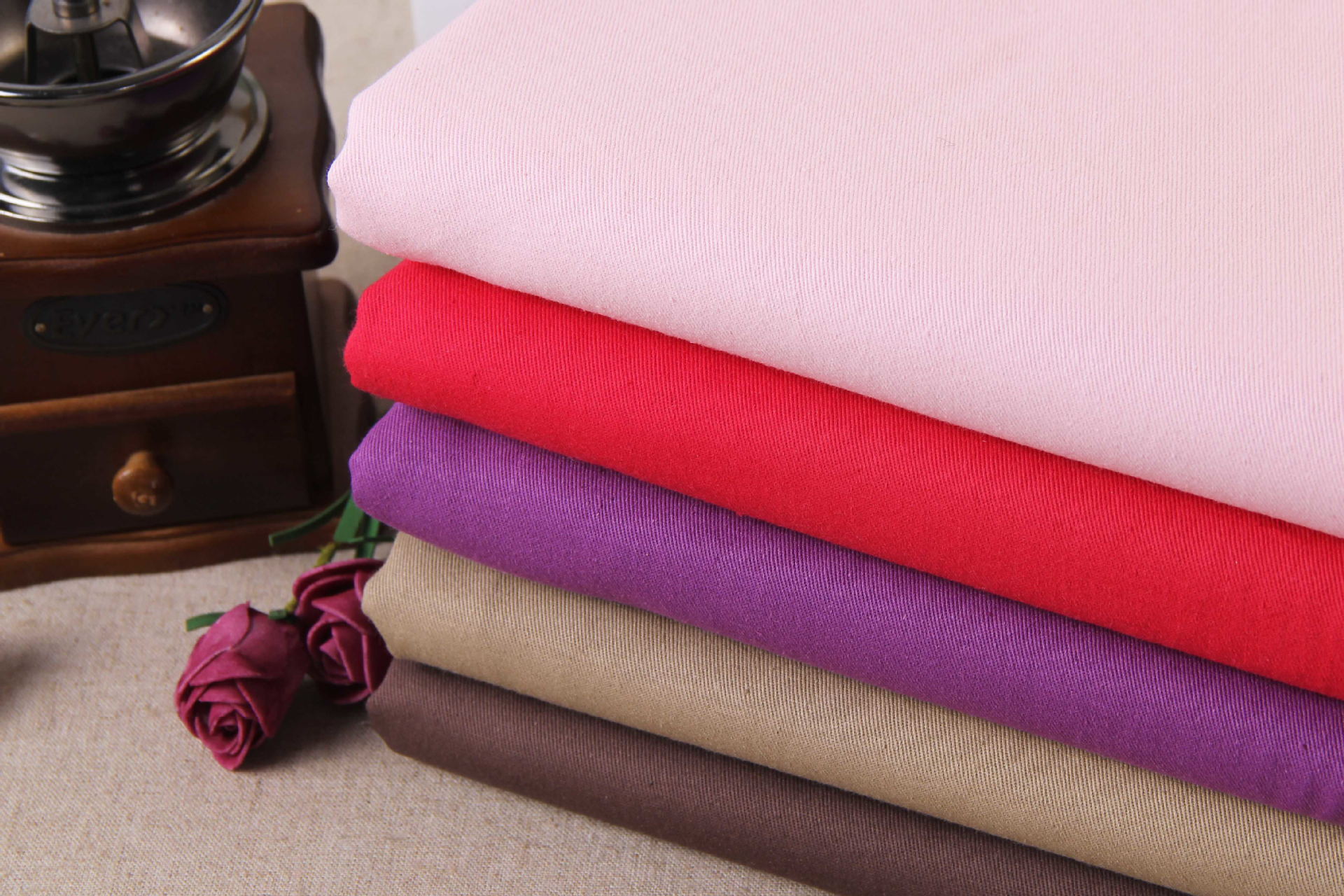
How to find reliable viscose fabric suppliers: a practical sourcing guide
Looking for reliable viscose fabric suppliers in 2026? This practical sourcing guide covers MOQ, certifications, and a ready-to-use RFQ checklist for procurement teams.
Sep 28,2026
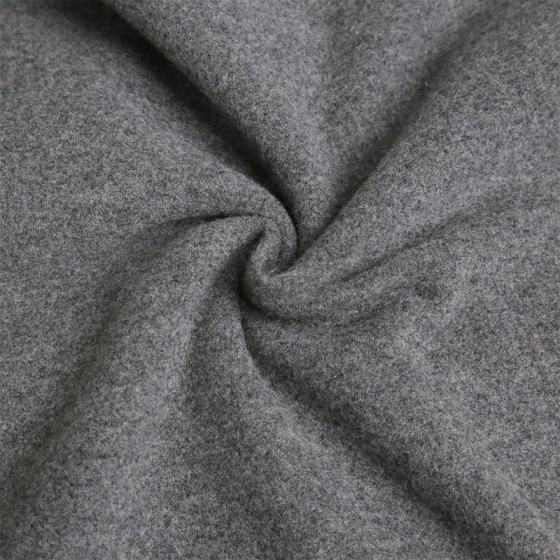
Wholesale fleece fabric buying guide: types, prices & sourcing tips
Complete 2026 guide to wholesale fleece fabric: compare GSM weights, MOQ requirements, tiered pricing, eco-certified rPET options, and project-based selection tips for apparel manufacturers and bulk buyers.
Sep 24,2026
Get in Touch
We sincerely wish to set up a long-term cooperative relationship with you. Welcome you to pay a visit to us.
Contact your comprehensive solution provider W&S immediately !
We produce fashionable fabrics and various men's and women's clothing, but we would prefer to see you collaborate with us.
Quick Link
Garment

Copyright © Nantong Wang and sheng Textile Co., Ltd. All Right Reserved.

Whatsapp: 8615996649800
Looking forward to your call
Tel: +86-15996649800
Looking forward to your call
Email: Nick.wang@ntwangsheng.com
Looking forward to your letter