
The Economic Impact of Cotton Dyed Fabric on Local Industries
Dec 10,2025
The Economic Impact of Cotton Dyed Fabric on Local Industries
Introduction: The Role of Cotton Dyed Fabric in Economic Development
Cotton dyed fabric has long been integral to numerous local economies, especially in regions abundant in cotton production. The process of dyeing fabric not only adds aesthetic value but also significantly contributes to the economic framework of local industries. As we explore the economic impact of this fabric, we can see how it drives job creation, supports local artisans, and fosters innovation in textile design.
The History of Cotton Dyed Fabric and Its Economic Relevance
Understanding the economic impact of cotton dyed fabric requires a brief look into its history. Cotton cultivation dates back thousands of years, with dyeing techniques evolving alongside advancements in technology and trade. This rich tapestry of history highlights the fabric's role in cultural identity, which has translated into economic opportunities and growth.
From Tradition to Economic Growth
Historically, many communities have relied on dyeing cotton fabrics as a source of income. Skilled artisans passed their techniques down through generations, creating unique designs that resonate culturally and economically. Today, this tradition continues to thrive, leading to a resurgence of interest in locally produced textiles.
The Economic Contributions of Cotton Dyed Fabrics
The economic benefits of cotton dyed fabric are multi-faceted, influencing various local industries in profound ways.
Job Creation and Employment Opportunities
The cotton dyeing industry is labor-intensive, providing jobs for thousands of individuals, particularly in rural areas where employment opportunities may be limited. From cotton farmers to dyers and tailors, the entire supply chain employs a diverse workforce.
Supporting Local Artisans
Local artisans play a crucial role in the cotton dyed fabric sector. Their craftsmanship not only preserves traditional techniques but also enhances the economic landscape through small businesses. These artisans often sell their products at local markets or online, creating a direct link between their craft and consumer demand, thereby boosting the local economy.
Innovation and Adaptation in Textile Design
The cotton dyed fabric industry fosters innovation, encouraging designers to experiment with new patterns, colors, and techniques. This creativity not only satisfies consumer preferences but also attracts tourists interested in unique, locally crafted products. By blending traditional methods with modern design, local industries can create a niche that appeals to global markets.
The Global Market for Cotton Dyed Fabrics
In recent years, the global demand for sustainable and ethically produced textiles has surged. Cotton dyed fabrics, particularly those produced using environmentally friendly practices, are increasingly sought after. This trend presents local industries with opportunities to expand their market reach and engage with eco-conscious consumers.
Export Opportunities for Local Producers
Local industries are now looking beyond domestic markets, tapping into international demand. Exporting cotton dyed fabrics not only increases revenue but also enhances the visibility of local craftsmanship on a global scale.
Challenges in Exporting Cotton Dyed Fabrics
Despite the opportunities, local producers face challenges such as compliance with international standards, competition from mass-produced textiles, and maintaining quality in larger quantities. Overcoming these hurdles requires strategic planning and investment in skills development.
Environmental and Social Impact of Cotton Dyed Fabric Production
Beyond economic factors, the production of cotton dyed fabric has significant environmental and social implications. Sustainable practices are becoming increasingly important in this industry.
Sustainable Dyeing Practices
The rise of environmentally friendly dyeing techniques, such as natural dyes and reduced water usage, has gained traction among producers. Implementing these practices not only mitigates environmental impact but also appeals to a growing market of eco-conscious consumers.
Empowering Local Communities
Cotton dyed fabric production can empower local communities by providing them with the tools and resources needed to thrive. Initiatives that promote fair trade and ethical labor practices can lead to improved living conditions and greater economic stability.
The Cultural Significance of Cotton Dyed Fabrics
Beyond economics, cotton dyed fabrics hold immense cultural value. Each region often has its unique patterns and dyeing techniques, reflecting its history and traditions.
Preservation of Cultural Heritage
The art of dyeing cotton fabrics serves as a means of preserving cultural heritage. By supporting local artisans, communities can maintain their traditions while also providing economic opportunities.
Tourism and Cultural Exchange
Tourism plays a vital role in the economic impact of cotton dyed fabrics. Visitors are often drawn to local markets and workshops, seeking authentic experiences and products. This interaction fosters cultural exchange, promoting both economic growth and cultural appreciation.
Future Trends in the Cotton Dyed Fabric Industry
As we look ahead, several trends are likely to shape the future of the cotton dyed fabric industry.
Technological Advancements in Textile Production
Emerging technologies, such as digital printing and automation, will continue to influence the production of cotton dyed fabrics. These advancements can enhance efficiency and open new avenues for design and customization.
The Rise of Eco-Conscious Consumerism
With the increasing awareness of sustainable practices, consumers are more inclined to support brands that prioritize eco-friendly production. Local industries that adopt sustainable methods will likely see an uptick in demand.
Conclusion: The Path Forward for Cotton Dyed Fabric and Local Industries
The economic impact of cotton dyed fabric on local industries is profound, offering numerous benefits ranging from job creation to cultural preservation. As we navigate the challenges and opportunities ahead, it is essential for local producers to embrace sustainable practices and innovative designs. By fostering a balance between tradition and modernity, the cotton dyed fabric industry can continue to thrive, enriching local economies and preserving cultural heritage for generations to come.
FAQs
1. What are cotton dyed fabrics?
Cotton dyed fabrics are textiles made from cotton that have undergone a dyeing process to achieve various colors and patterns.
2. How does cotton dyed fabric impact local economies?
The cotton dyed fabric industry creates jobs, supports local artisans, and fosters innovation, contributing significantly to local economic growth.
3. What are the benefits of sustainable dyeing practices?
Sustainable dyeing practices reduce environmental impact, appeal to eco-conscious consumers, and promote ethical labor practices.
4. How can local industries compete with mass-produced textiles?
Local industries can compete by emphasizing quality, uniqueness, and sustainable practices, creating a strong brand identity that resonates with consumers.
5. What is the future of the cotton dyed fabric industry?
The future of the cotton dyed fabric industry will likely involve technological advancements, an emphasis on sustainability, and an increased focus on global market expansion.
More Events
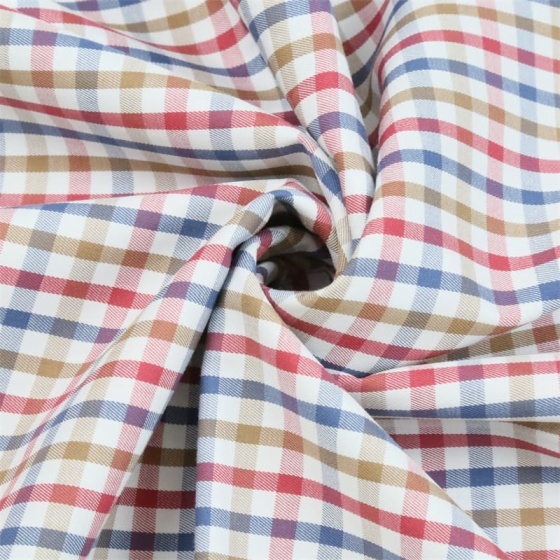
The Economic Impact of Cotton Dyed Fabric on Local Industries
The Economic Impact of Cotton Dyed Fabric on Local Industries Introduction: The Role of Cotton Dyed Fabric in Economic Development Cotton dyed fabric has long been integral to numerous local economies, especially in regions abundant in cotton production. The process of dyeing fabric not only adds aesthetic value but also significantly contributes to the economic framework of local industries. As w
Dec 10,2025
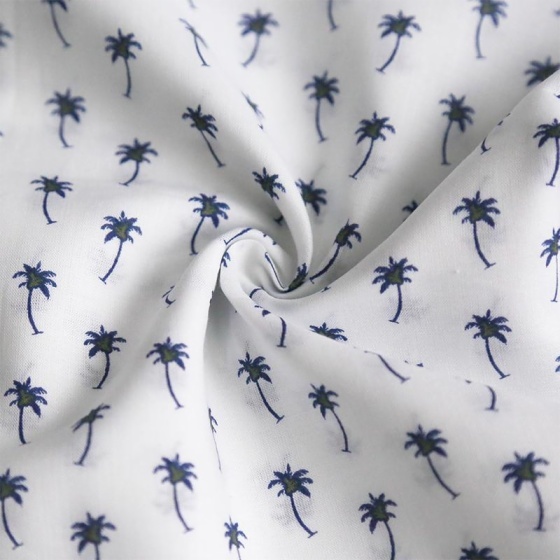
Exploring the Innovations and Techniques in Printed Cloth Fabric
In the textile and dyeing industry, printed cloth fabric plays a pivotal role in shaping consumer preferences and market trends. As a professional in this sector, understanding the latest advancements, techniques, and sustainability practices can position your business favorably in a highly competitive landscape. One of the primary methods for creating printed cloth fabric is digital printing, whi
Dec 09,2025
The Evolution of Men Shirt Fabrics Over the Decades Men's shirts have long been a staple in fashion, evolving significantly over the decades in terms of fabric, style, and function. This evolution reflects not only changes in personal taste but also advancements in textile technology and shifts in societal norms. In this extensive article, we delve into the various fabrics that have defined men's
Dec 08,2025
Do Not Heasite To Contact W&S, Your Comprehensive Solution Provider Now!
We like produce phone cases but we more like to see you earn lots of money by working with us.
Quick Link
Garment

Copyright © Nantong Wang and sheng Textile Co., Ltd. All Right Reserved.

Whatsapp: 8615996649800
Looking forward to your call
Tel: +86-15996649800
Looking forward to your call
Email: Nick.wang@ntwangsheng.com
Looking forward to your letter