Printed Cloth Fabric vs. Other Textile Options: A Comprehensive Comparative Analysis
Release Time:
May 15,2026
Author:
Printed Cloth Fabric vs. Other Textile Options: A Comprehensive Comparative Analysis
Table of Contents
- 1. Introduction to Printed Cloth Fabric and Other Textiles
- 2. Understanding Printed Cloth Fabric
- 3. Comparing Textile Options: A Look at Different Fabrics
- 4. Advantages and Disadvantages of Printed Cloth Fabric
- 5. Environmental Impacts of Printed Cloth vs. Other Fabrics
- 6. Ideal Applications for Printed Cloth Fabric
- 7. The Future of Printed Cloth Fabric and Textile Innovations
- 8. Frequently Asked Questions
- 9. Conclusion
1. Introduction to Printed Cloth Fabric and Other Textiles
In the dynamic world of textiles, **printed cloth fabric** stands as a versatile and popular choice among consumers and manufacturers alike. While many are familiar with printed cloth, understanding its place within the broader context of textile options is crucial for making informed decisions. This article provides an extensive comparative analysis of printed cloth fabric and other textile options, examining their unique properties, applications, and environmental impacts.
2. Understanding Printed Cloth Fabric
Printed cloth fabric is created by applying designs to the fabric surface, enhancing its aesthetic appeal and versatility. This section explores what defines printed cloth fabric and its different types.
2.1 Types of Printed Cloth Fabric
There are several types of printed cloth fabrics, each with distinct features. Some common types include:
- **Screen-Printed Fabric**: This traditional method involves pushing ink through a mesh screen to create designs. It is known for vibrant colors and durability.
- **Digital Printed Fabric**: Utilizing digital technology, this method allows for intricate designs and a wide color palette. It’s ideal for custom prints and small runs.
- **Rotary Printed Fabric**: This technique employs a rotary screen printing machine, making it suitable for large-scale production while maintaining high quality.
2.2 The Manufacturing Process of Printed Cloth
The manufacturing process of printed cloth fabric involves several key stages:
1. **Fabric Selection**: The choice of fabric base, such as cotton, polyester, or blends, plays a significant role in the final outcome.
2. **Printing Method**: Depending on the design complexity and production scale, manufacturers choose between screen printing, digital printing, or rotary printing.
3. **Finishing Treatments**: After printing, fabrics often undergo treatments like curing, washing, and finishing to enhance their properties and appearance.
3. Comparing Textile Options: A Look at Different Fabrics
When evaluating printed cloth fabric, it's essential to consider it alongside other textile options. The two main categories of fabrics include natural and synthetic fibers.
3.1 Natural Fabrics
Natural fabrics, such as cotton, linen, and silk, are derived from plants and animals. Their benefits include:
- **Breathability**: Natural fabrics are often more breathable, making them comfortable for various climates.
- **Biodegradability**: Most natural fabrics are biodegradable, contributing to sustainability.
- **Hypoallergenic Properties**: Fabrics like cotton are less likely to cause allergic reactions, making them suitable for sensitive skin.
However, natural fabrics often have limitations regarding durability and maintenance compared to synthetic options.
3.2 Synthetic Fabrics
Synthetic fabrics, including polyester, nylon, and spandex, are made from chemical processes. Their advantages include:
- **Durability**: Synthetic fabrics are generally more durable and resistant to wear and tear.
- **Stain Resistance**: Many synthetic fibers are treated to resist stains and moisture, making them easier to care for.
- **Cost-Effectiveness**: Synthetic fabrics can be produced at a lower cost, making them accessible to a broader audience.
Nevertheless, synthetic fabrics may lack the breathability and environmental friendliness of their natural counterparts.
4. Advantages and Disadvantages of Printed Cloth Fabric
Understanding the strengths and weaknesses of printed cloth fabric is essential for making informed choices.
**Advantages**:
- **Aesthetic Versatility**: Printed cloth fabric offers countless design possibilities, making it suitable for various applications, from fashion to home décor.
- **Customization**: Digital printing allows for easy customization, enabling designers to create unique pieces without high minimum orders.
- **Durability**: Quality printed fabrics can withstand multiple washes and maintain their vibrant colors over time.
**Disadvantages**:
- **Environmental Concerns**: Certain printing processes can involve harmful chemicals and produce waste.
- **Cost Variability**: Depending on the printing method and fabric choice, printed cloth fabric can vary significantly in price.
- **Limited Breathability**: Some printed fabrics may have a lower breathability compared to unprinted natural fabrics, affecting comfort.
5. Environmental Impacts of Printed Cloth vs. Other Fabrics
In an era of growing environmental awareness, understanding the ecological impact of textile choices is paramount. Printed cloth fabric, especially when using traditional techniques, can have negative effects on the environment due to the chemicals used in dyes and the water consumed during production. However, innovations in printing technology are leading to more sustainable practices, such as waterless printing methods and the use of eco-friendly inks.
In contrast, natural fabrics often have a smaller environmental footprint, particularly when sourced from sustainable practices. However, the agricultural processes involved in cultivating crops like cotton can also have significant ecological impacts, including water usage and pesticide application.
6. Ideal Applications for Printed Cloth Fabric
Printed cloth fabric finds applications across various industries, making it a versatile choice. Some common uses include:
- **Fashion Design**: From garments to accessories, printed fabrics allow designers to express creativity and cater to diverse consumer preferences.
- **Home Textiles**: Printed fabrics are widely used in curtains, upholstery, and bed linens, enhancing interior aesthetics.
- **Promotional Materials**: Businesses often utilize printed fabrics for banners, signage, and promotional items due to their eye-catching designs.
This flexibility in application highlights the continued relevance and demand for printed cloth fabric in today's market.
7. The Future of Printed Cloth Fabric and Textile Innovations
The future of printed cloth fabric is poised for transformation, driven by advancements in technology and a growing emphasis on sustainability. Innovations such as 3D printing and the development of biodegradable inks are paving the way for eco-friendly textile practices. As consumers become increasingly conscious of their environmental impact, the demand for sustainable printed fabrics is likely to rise.
Moreover, smart textiles, which incorporate technology directly into the fabric, are becoming more prevalent. These fabrics can change color, regulate temperature, or even monitor health, offering exciting possibilities for the future of printed cloth.
8. Frequently Asked Questions
What is printed cloth fabric?
Printed cloth fabric refers to textiles that have designs applied to their surface through various printing techniques, enhancing their visual appeal.
What are the different types of printing methods?
Common printing methods include screen printing, digital printing, and rotary printing, each offering unique advantages and applications.
Are printed fabrics environmentally friendly?
The environmental impact of printed fabrics varies based on the printing method used. Innovations in technology are driving the development of more eco-friendly options.
Can printed cloth fabric be used for outdoor applications?
Yes, many printed fabrics are suitable for outdoor use, especially those that are treated for UV and moisture resistance.
How do I care for printed cloth fabric?
Care instructions may vary by fabric type and printing method, but generally, washing in cold water and avoiding harsh detergents can help maintain the fabric's quality.
9. Conclusion
In summary, printed cloth fabric presents a unique set of advantages and disadvantages when compared to other textile options. Its aesthetic versatility and customization potential make it a favorite among designers and consumers. However, considerations around environmental impact and durability should guide your choices. Whether you’re a fashion designer, a home decorator, or a consumer looking for quality textiles, understanding the nuances of printed cloth fabric versus other textile options will empower you to make informed decisions that align with your values and needs. As the industry evolves, staying attuned to innovations in printing technology and sustainable practices will be key to navigating the future of textiles effectively.
More Events

Bulk fleece fabric buying guide: types, weights, and where to order wholesale
A complete 2026 guide to buying bulk fleece fabric wholesale — covering GSM weight comparisons, fabric types, anti-pill specs, MOQ requirements, sustainability certifications, and how to choose the right fleece fabric supplier for your business.
Oct 09,2026
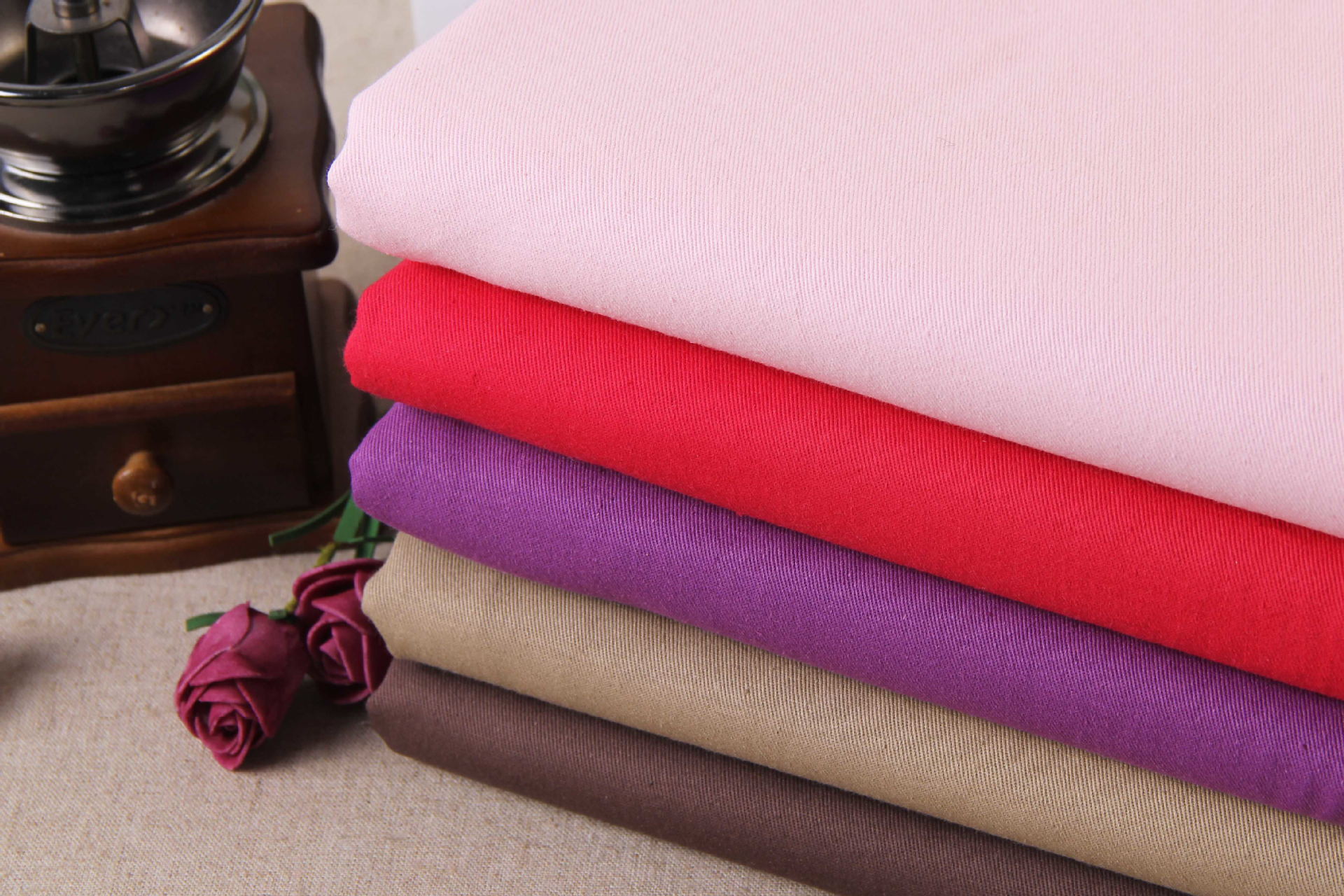
How to find reliable viscose fabric suppliers: a practical sourcing guide
Looking for reliable viscose fabric suppliers in 2026? This practical sourcing guide covers MOQ, certifications, and a ready-to-use RFQ checklist for procurement teams.
Sep 28,2026
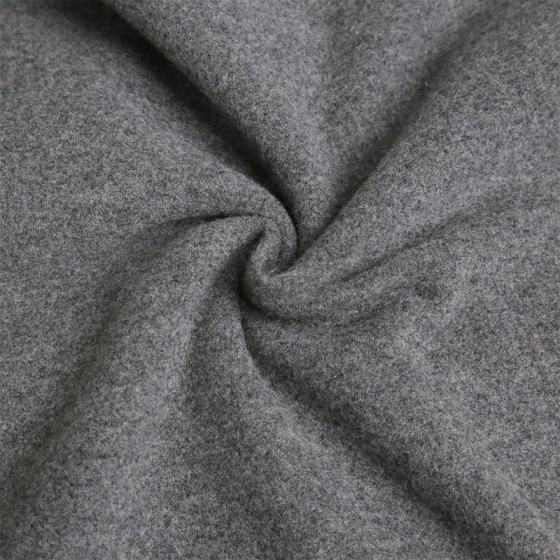
Wholesale fleece fabric buying guide: types, prices & sourcing tips
Complete 2026 guide to wholesale fleece fabric: compare GSM weights, MOQ requirements, tiered pricing, eco-certified rPET options, and project-based selection tips for apparel manufacturers and bulk buyers.
Sep 24,2026
Get in Touch
We sincerely wish to set up a long-term cooperative relationship with you. Welcome you to pay a visit to us.
Contact your comprehensive solution provider W&S immediately !
We produce fashionable fabrics and various men's and women's clothing, but we would prefer to see you collaborate with us.
Quick Link
Garment

Copyright © Nantong Wang and sheng Textile Co., Ltd. All Right Reserved.

Whatsapp: 8615996649800
Looking forward to your call
Tel: +86-15996649800
Looking forward to your call
Email: Nick.wang@ntwangsheng.com
Looking forward to your letter