Understanding Cotton Dyed Fabric: A Comprehensive Guide for Textile Professionals
Release Time:
May 18,2026
Author:
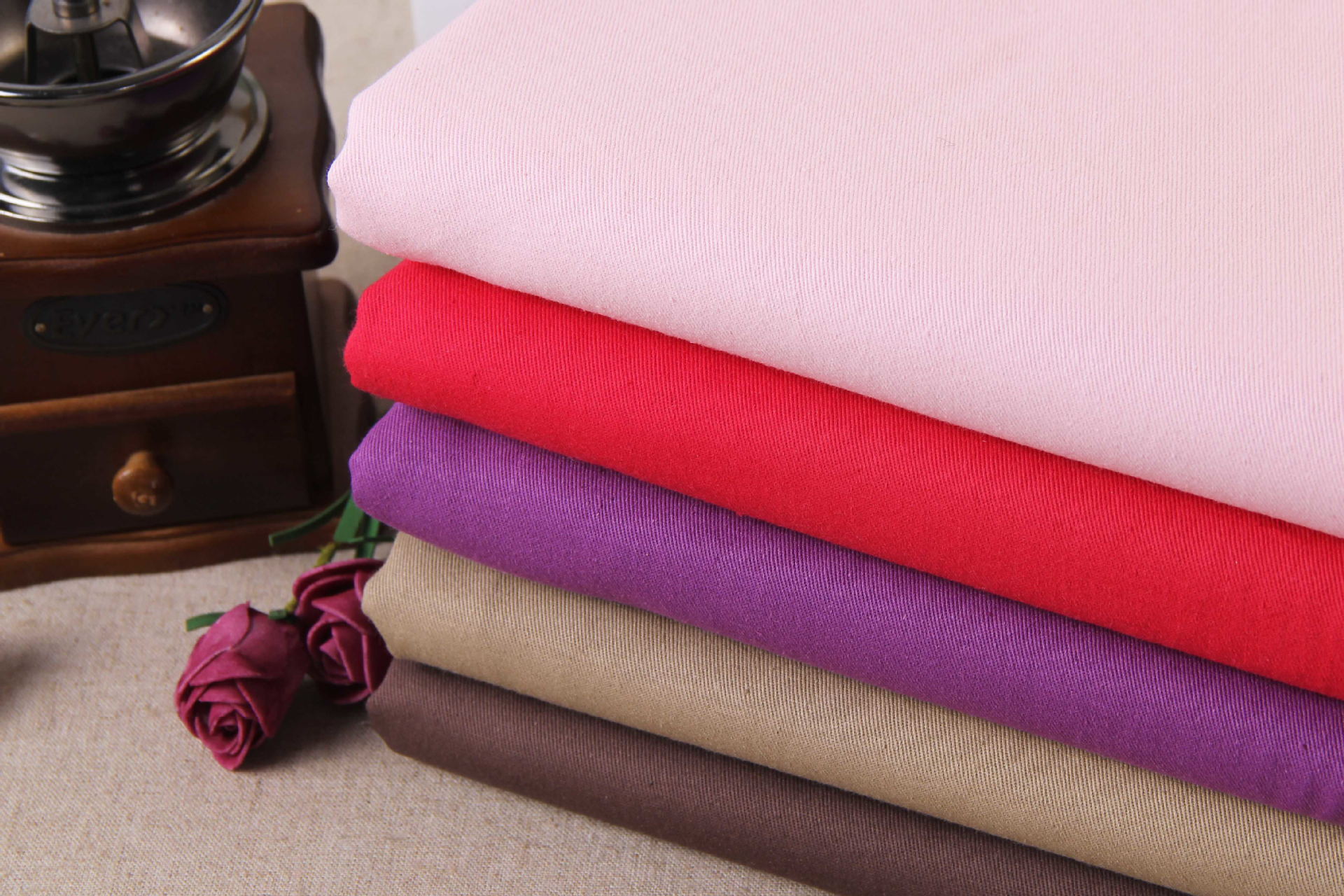
One of the primary advantages of cotton dyed fabric is its ability to absorb dyes effectively. This property allows for a wide range of colors and patterns to be created, enabling designers to express their creativity and meet consumer demands. The dyeing process can vary widely, encompassing techniques such as reactive dyeing, vat dyeing, and pigment dyeing, each providing unique aesthetics and functional properties to the finished fabric.
Cotton dyed fabric also offers excellent durability and longevity. When dyed correctly, the colors remain vibrant even after multiple washes, making it a reliable option for products that require frequent cleaning, such as apparel and home textiles. Professionals should be aware of the various dyeing methods available, as they can significantly affect the fabric’s performance and appearance. Selecting the appropriate dyeing technique is crucial to achieving the desired quality and durability in cotton dyed materials.
In addition to its aesthetic appeal, cotton dyed fabric is often appreciated for its environmental benefits. Cotton is a renewable resource, and with sustainable farming practices, the impact of its production on the environment can be minimized. Many textile manufacturers are increasingly adopting eco-friendly dyeing methods and organic cotton sourcing to meet the growing demand for sustainable fashion. As a textile professional, understanding these trends can help you align your practices with consumer preferences and industry standards.
Moreover, the versatility of cotton dyed fabric extends to its usability in various sectors. From casual wear to formal attire, and from upholstery to bedding, the applications are vast. Professionals in the industry should keep abreast of market trends and consumer preferences, as these factors can influence the types of cotton dyed fabrics that are in demand.
In conclusion, cotton dyed fabric is a vital material in the textile industry, offering numerous benefits, including aesthetic versatility, durability, and sustainability. By gaining a comprehensive understanding of its properties and applications, textile professionals can better navigate their production and sourcing decisions, ensuring they meet the ever-evolving needs of the market. As you engage with cotton dyed fabric in your work, consider how these factors can enhance your products and appeal to your target audience.
More Events

Bulk fleece fabric buying guide: types, weights, and where to order wholesale
A complete 2026 guide to buying bulk fleece fabric wholesale — covering GSM weight comparisons, fabric types, anti-pill specs, MOQ requirements, sustainability certifications, and how to choose the right fleece fabric supplier for your business.
Oct 09,2026
How to find reliable viscose fabric suppliers: a practical sourcing guide
Looking for reliable viscose fabric suppliers in 2026? This practical sourcing guide covers MOQ, certifications, and a ready-to-use RFQ checklist for procurement teams.
Sep 28,2026

Wholesale fleece fabric buying guide: types, prices & sourcing tips
Complete 2026 guide to wholesale fleece fabric: compare GSM weights, MOQ requirements, tiered pricing, eco-certified rPET options, and project-based selection tips for apparel manufacturers and bulk buyers.
Sep 24,2026
Get in Touch
We sincerely wish to set up a long-term cooperative relationship with you. Welcome you to pay a visit to us.
Contact your comprehensive solution provider W&S immediately !
We produce fashionable fabrics and various men's and women's clothing, but we would prefer to see you collaborate with us.
Quick Link
Garment

Copyright © Nantong Wang and sheng Textile Co., Ltd. All Right Reserved.

Whatsapp: 8615996649800
Looking forward to your call
Tel: +86-15996649800
Looking forward to your call
Email: Nick.wang@ntwangsheng.com
Looking forward to your letter