The Impact of Digital Printed Fabric on Modern Textile Art
Release Time:
May 21,2026
Author:
The Impact of Digital Printed Fabric on Modern Textile Art
Table of Contents
- Introduction to Digital Printed Fabric
- A Brief History of Textile Art
- The Evolution of Digital Printing in Textiles
- Benefits of Digital Printed Fabric in Modern Textile Art
- Creative Possibilities Offered by Digital Printing
- Sustainability and Eco-Friendliness in Digital Textile Printing
- Challenges Faced by Digital Textile Artists
- The Future of Digital Printed Fabric in Textile Art
- FAQs about Digital Printed Fabric and Textile Art
- Conclusion
Introduction to Digital Printed Fabric
Digital printed fabric has revolutionized the textile industry, enabling artists and designers to create intricate patterns and vibrant designs with unprecedented ease. Utilizing advanced digital printing technology, this innovative method allows for customization and creativity that traditional printing techniques simply cannot match. As a result, modern textile art is experiencing a renaissance, where boundaries are constantly pushed, and new possibilities emerge.
A Brief History of Textile Art
Textile art has a rich history, dating back thousands of years when early civilizations began weaving fabrics for clothing and decoration. Notable historical periods, such as the Renaissance, saw the rise of elaborate tapestries and embroidered textiles, each telling stories or showcasing cultural significance. As time progressed, textile art evolved, incorporating various techniques, such as dyeing and block printing, to enhance the aesthetic appeal of fabrics.
The Evolution of Digital Printing in Textiles
Digital printing technology emerged in the late 20th century, initially used primarily for smaller-scale production. However, advancements in technology have since led to its widespread adoption in the textile industry. Digital textile printing allows for high-resolution images to be printed directly onto fabric, resulting in striking designs without the need for screens or plates. This shift has not only transformed how fabrics are produced but has also expanded the creative horizons for textile artists.
From Analog to Digital: A Paradigm Shift
The transition from analog to digital printing marks a significant paradigm shift. Traditional methods were often labor-intensive and time-consuming, while digital printing streamlines the process, allowing for quicker turnaround times and reduced waste. Artists can now experiment with colors, designs, and patterns without the fear of incurring significant costs.
Benefits of Digital Printed Fabric in Modern Textile Art
The introduction of digital printed fabric offers numerous advantages that greatly benefit artists and designers. These benefits include:
1. Enhanced Customization
Digital printing allows for the creation of unique, one-of-a-kind pieces that cater to specific client requests or artistic visions. Artists can easily modify designs, colors, and patterns to suit individual preferences, making each piece a true representation of their creativity.
2. Cost-Effective Production
With digital printing, artists can produce smaller runs of fabric without incurring exorbitant costs. This feature is particularly beneficial for independent artists or small businesses looking to create limited edition pieces without the financial burden of large-scale production.
3. High-Quality Imagery
Digital printing technology provides high-resolution outputs, ensuring that intricate designs are reproduced with exceptional clarity and vibrancy. This level of detail enhances the overall impact of textile art, making it more visually engaging.
4. Speed of Production
The speed of digital printing allows for rapid prototyping and shorter project timelines. Artists can quickly test designs and make adjustments, resulting in faster delivery times for clients and a more dynamic creative process.
Creative Possibilities Offered by Digital Printing
The versatility of digital printed fabric opens up a world of creative possibilities for artists. Here are some innovative applications of digital printing in modern textile art:
1. Abstract Designs and Patterns
Digital printing enables artists to create complex, abstract designs that would be difficult or impossible to achieve through traditional methods. The flexibility of digital technology allows for experimentation with layering, texturing, and color combinations.
2. Photographic Prints
Artists can now print high-quality photographic images directly onto fabric. This capability has led to the creation of stunning textile art pieces that blur the line between photography and fabric design.
3. Mixed Media Approaches
The integration of digital printed fabrics with other materials, such as leather or metal, creates exciting mixed media artworks. Artists can explore new textures and dimensions, resulting in captivating three-dimensional pieces.
4. Fashion and Apparel
The fashion industry has embraced digital printed fabric, allowing designers to push boundaries in contemporary clothing design. Unique patterns and customized garments are now more accessible, empowering designers to showcase their individuality.
Sustainability and Eco-Friendliness in Digital Textile Printing
Sustainability is a growing concern in the textile industry, and digital printing offers a more eco-friendly alternative to traditional methods. The following aspects highlight the environmental advantages of digital printed fabric:
1. Reduced Waste
Digital printing minimizes fabric waste by only using the necessary materials for each print. Unlike traditional methods that often involve excess dye and fabric, digital printing’s precision leads to more responsible production practices.
2. Water Conservation
Traditional textile printing methods often consume vast amounts of water. Digital printing, however, uses significantly less water, contributing to more sustainable practices in the textile industry.
3. Eco-Friendly Inks
Many digital printing processes utilize eco-friendly inks that are less harmful to the environment. These inks are often derived from renewable resources, further reducing the carbon footprint associated with textile production.
Challenges Faced by Digital Textile Artists
Despite its many advantages, digital printed fabric is not without challenges. Artists must navigate several hurdles as they adopt this technology:
1. Initial Investment Costs
Investing in digital printing technology can be costly, particularly for emerging artists or small businesses. The prices of high-quality printers and software can be prohibitive, making it essential for artists to carefully evaluate their financial resources.
2. Technical Knowledge Required
Artists must possess a certain level of technical knowledge to effectively utilize digital printing technology. Understanding software, color management, and file resolution can be daunting for those unfamiliar with digital processes.
3. Maintaining Quality Control
Ensuring consistent quality across different prints can be a challenge. Artists must be vigilant about monitoring their printing processes to achieve the desired results consistently.
The Future of Digital Printed Fabric in Textile Art
The future of digital printed fabric appears promising, with ongoing advancements in technology and practices. As artists continue to push the boundaries of creativity, we can expect exciting innovations in design, production, and sustainability. The integration of artificial intelligence and machine learning may further enhance the customization capabilities of digital printing, offering artists new tools to express their visions.
FAQs about Digital Printed Fabric and Textile Art
1. What is digital printed fabric?
Digital printed fabric is a material that has undergone printing using digital technology, allowing for high-resolution images and intricate designs to be directly applied to the fabric.
2. What are the benefits of using digital printed fabric in textile art?
The benefits include enhanced customization, cost-effective production, high-quality imagery, and speed of production, allowing artists to create unique and vibrant pieces.
3. How does digital printing contribute to sustainability in textiles?
Digital printing reduces waste, conserves water, and often utilizes eco-friendly inks, making it a more sustainable option compared to traditional printing methods.
4. What challenges do artists face when using digital printing?
Challenges include initial investment costs, the need for technical knowledge, and maintaining quality control throughout the printing process.
5. How can digital printed fabric be used in fashion design?
Digital printed fabric allows fashion designers to create unique patterns and customized garments, pushing the boundaries of contemporary clothing design.
Conclusion
Digital printed fabric has undoubtedly transformed modern textile art, enabling artists to explore new realms of creativity and expression. With its numerous benefits, such as customization, sustainability, and creative possibilities, digital printing is shaping the future of the textile industry. As we move forward, the synergy between technology and artistry will continue to inspire and innovate, paving the way for the next generation of textile art.
More Events

Bulk fleece fabric buying guide: types, weights, and where to order wholesale
A complete 2026 guide to buying bulk fleece fabric wholesale — covering GSM weight comparisons, fabric types, anti-pill specs, MOQ requirements, sustainability certifications, and how to choose the right fleece fabric supplier for your business.
Oct 09,2026
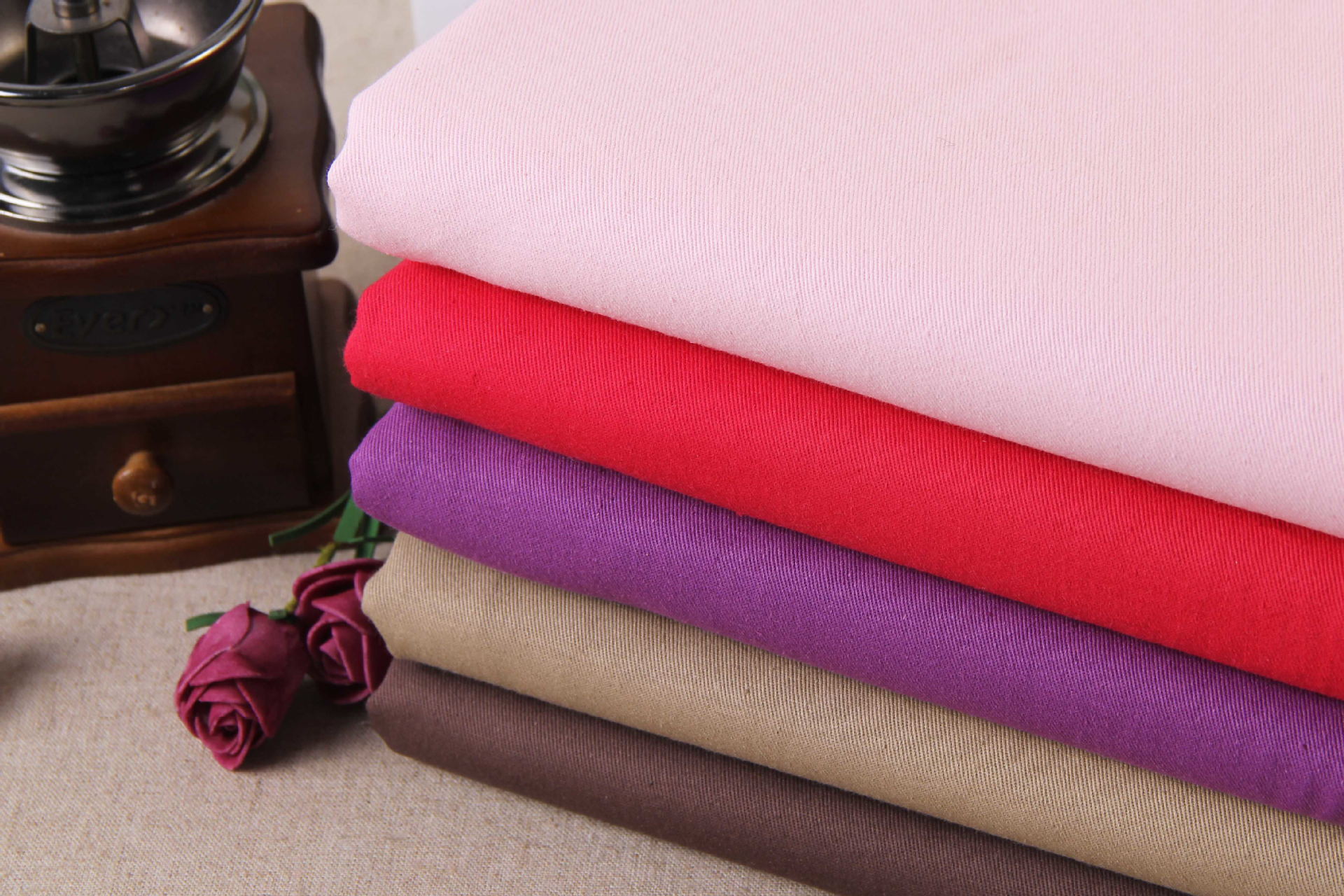
How to find reliable viscose fabric suppliers: a practical sourcing guide
Looking for reliable viscose fabric suppliers in 2026? This practical sourcing guide covers MOQ, certifications, and a ready-to-use RFQ checklist for procurement teams.
Sep 28,2026
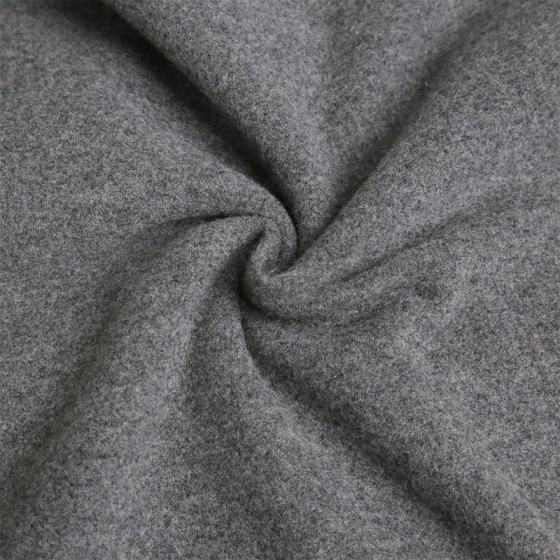
Wholesale fleece fabric buying guide: types, prices & sourcing tips
Complete 2026 guide to wholesale fleece fabric: compare GSM weights, MOQ requirements, tiered pricing, eco-certified rPET options, and project-based selection tips for apparel manufacturers and bulk buyers.
Sep 24,2026
Get in Touch
We sincerely wish to set up a long-term cooperative relationship with you. Welcome you to pay a visit to us.
Contact your comprehensive solution provider W&S immediately !
We produce fashionable fabrics and various men's and women's clothing, but we would prefer to see you collaborate with us.
Quick Link
Garment

Copyright © Nantong Wang and sheng Textile Co., Ltd. All Right Reserved.

Whatsapp: 8615996649800
Looking forward to your call
Tel: +86-15996649800
Looking forward to your call
Email: Nick.wang@ntwangsheng.com
Looking forward to your letter